
Peruvian food is one of the most diverse, vibrant, and globally celebrated cuisines in the world. Rooted in ancient traditions and shaped by waves of immigration, Peru’s culinary landscape is a reflection of its geography, history, and cultural fusion. From the high peaks of the Andes to the lush Amazon rainforest and the long Pacific coastline, Peru’s varied ecosystems provide a wealth of ingredients that define its distinctive flavors.
In recent decades, Peruvian cuisine has gained international acclaim, with restaurants like Central and chefs such as Gastón Acurio bringing global attention to the country’s gastronomic heritage. But to truly understand what Peruvian food is, we must look beyond restaurant accolades and explore the roots, ingredients, influences, and traditions that shape this extraordinary culinary identity.
The Geographic Foundations of Peruvian Cuisine
Peru’s geography is one of the primary reasons its food is so diverse. The country is divided into three major regions:
The Coast (La Costa)
The Pacific coastline stretches for over 1,500 miles and provides abundant seafood. The cool Humboldt Current creates ideal conditions for fish and shellfish, making seafood a cornerstone of coastal cuisine. Dishes here are often fresh, citrus-forward, and spicy.
The Andes (La Sierra)
The Andean highlands are the birthplace of many staple ingredients. Potatoes, quinoa, corn, and various tubers have been cultivated here for thousands of years. Andean cuisine tends to be hearty, earthy, and deeply traditional.
The Amazon (La Selva)
The Peruvian Amazon contributes exotic fruits, river fish, cassava (yuca), and unique herbs. Jungle cuisine is aromatic, tropical, and less internationally known, yet deeply important to Peru’s culinary identity.
Together, these regions create a food culture that ranges from raw seafood marinated in lime juice to slow-roasted meats cooked underground.
Indigenous Roots: The Ancient Foundations
Long before European contact, indigenous civilizations such as the Inca developed sophisticated agricultural systems. The Andes Mountains were home to thousands of varieties of potatoes and maize. In fact, Peru is considered the birthplace of the potato, with over 3,000 native varieties still grown today.
Key indigenous ingredients include:
- Potatoes (papa)
- Corn (maíz)
- Quinoa
- Amaranth
- Ají peppers
- Llama and alpaca meat
Cooking methods were equally important. Pachamanca, for example, is a traditional technique where meat and vegetables are cooked underground with heated stones. This communal preparation reflects the deep social connection between food and community in Andean culture.
Spanish Influence: A Colonial Transformation
When the Spanish arrived in the 16th century, they brought new ingredients and culinary techniques that transformed Peruvian cooking. European staples such as:
- Beef
- Pork
- Chicken
- Garlic
- Onions
- Dairy products
- Wheat
were introduced and integrated with indigenous foods.
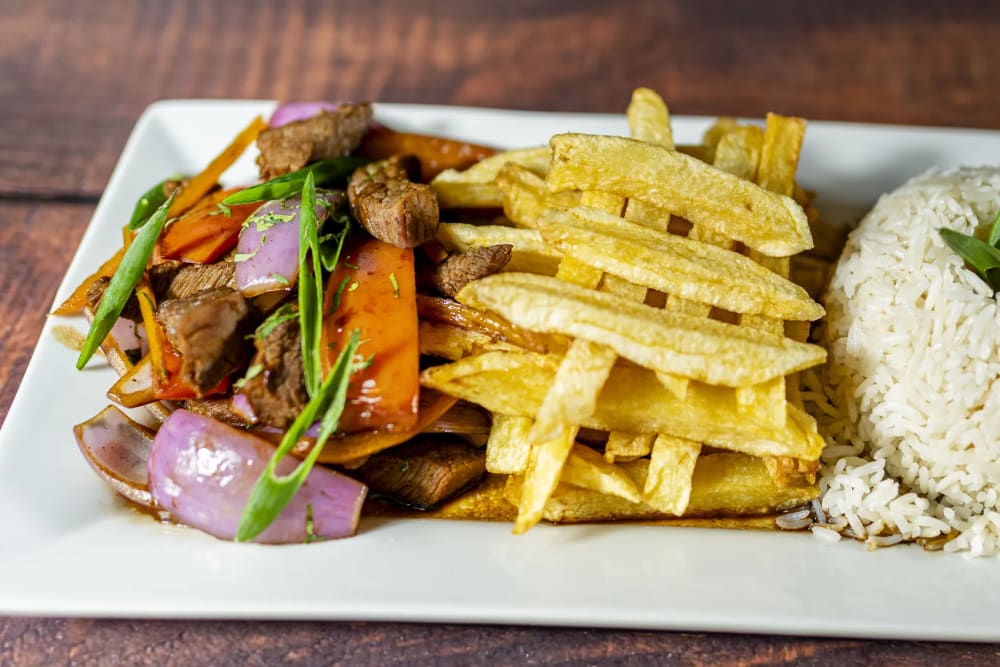
This fusion led to iconic dishes like ají de gallina, a creamy chicken stew made with ají peppers, cheese, and bread, and lomo saltado, a stir-fried beef dish that reflects later Asian influence as well.
The blending of indigenous and Spanish traditions formed the foundation of what is now known as criollo cuisine — a defining aspect of Peruvian food.
African, Chinese, and Japanese Influences
Peruvian cuisine continued to evolve through immigration and cultural exchange.
African Influence
Enslaved Africans brought to Peru during colonial times contributed cooking techniques and ingredients that shaped many traditional dishes. They utilized offal and lesser cuts of meat, creating flavorful recipes like anticuchos, grilled skewers typically made from beef heart.
Chinese Influence: Chifa
In the 19th century, Chinese immigrants arrived and introduced stir-frying techniques, soy sauce, and ginger. This gave rise to Chifa, a uniquely Peruvian-Chinese fusion cuisine.
Dishes like arroz chaufa (Peruvian fried rice) and tallarin saltado blend Chinese cooking methods with Peruvian ingredients.
Japanese Influence: Nikkei Cuisine
Japanese immigrants also left a lasting mark, leading to Nikkei cuisine — a fusion of Japanese precision and Peruvian flavors. This influence is especially visible in seafood dishes and knife techniques.
Restaurants like Maido are internationally recognized for Nikkei cuisine, blending sashimi-style preparation with Peruvian spices and ají peppers.
Ceviche: The Iconic National Dish
No discussion of Peruvian food is complete without ceviche. Considered the national dish of Peru, ceviche consists of fresh raw fish marinated in lime juice, mixed with red onions, ají chili, cilantro, and salt.
The acid from the lime “cooks” the fish, creating a bright, tangy, and refreshing dish typically served with sweet potato and corn.
While many Latin American countries prepare ceviche, the Peruvian version is distinct for its simplicity and emphasis on freshness. It is so culturally important that Peru even celebrates National Ceviche Day.
Signature Peruvian Dishes
Peruvian cuisine is vast, but several dishes stand out as representative of its identity.
Lomo Saltado
A stir-fried beef dish combining soy sauce, tomatoes, onions, and French fries, served with rice. It exemplifies Chinese influence within Peruvian cooking.
Ají de Gallina
A creamy chicken stew made with ají amarillo, cheese, milk, and bread, served over potatoes and rice.
Causa
A layered dish made from mashed yellow potatoes seasoned with lime and ají, filled with tuna, chicken, or avocado.
Rocoto Relleno
Spicy rocoto peppers stuffed with meat, vegetables, and cheese, baked to perfection.
Pachamanca
A traditional Andean feast where meats, potatoes, corn, and beans are cooked underground with hot stones.
Essential Ingredients in Peruvian Cooking
Understanding Peruvian food means recognizing its core ingredients.
Ají Peppers
Ají amarillo, ají panca, and rocoto are foundational to flavor. These peppers add heat, fruitiness, and color to dishes.
Potatoes
With thousands of varieties, potatoes are central to countless dishes. They vary in color, size, and texture.
Corn
Large-kernel Andean corn, often served boiled or toasted (cancha), accompanies many meals.
Quinoa
An ancient grain rich in protein, quinoa is used in soups, salads, and modern dishes.
Seafood
Thanks to the Pacific Ocean, fish like corvina and shellfish are staples of coastal cuisine.
Street Food Culture in Peru
Street food is a vibrant part of daily life in Peru. In cities like Lima, vendors sell:
- Anticuchos
- Picarones (sweet potato doughnuts)
- Tamales
- Emoliente (a herbal drink)
Street food offers affordable, authentic flavors and highlights Peru’s culinary accessibility.
Peruvian Desserts and Drinks
Peruvian cuisine also boasts a rich array of sweets and beverages.
Picarones
Fried dough made with squash and sweet potato, drizzled with molasses syrup.
Suspiro a la Limeña
A caramel-like dessert topped with meringue.
Pisco Sour
The national cocktail, made with pisco (grape brandy), lime juice, egg white, sugar, and bitters.
Modern Peruvian Gastronomy
In recent decades, Peru has experienced a culinary renaissance. Chefs have reinterpreted traditional dishes using modern techniques, elevating local ingredients to fine dining status.
Restaurants such as Astrid y Gastón have helped position Peru as a global food destination. This movement focuses on biodiversity, sustainability, and honoring indigenous knowledge while embracing innovation.
Why Peruvian Food Is So Diverse
Several factors explain Peru’s remarkable culinary diversity:
- Geographic variety
- Ancient agricultural knowledge
- Colonial blending
- African, Chinese, and Japanese immigration
- Modern culinary innovation
Few countries combine such a wide range of ecosystems and cultural influences in one cuisine.
Cultural Significance of Food in Peru
Food in Peru is not merely sustenance; it is identity. Meals are communal, celebratory, and deeply rooted in tradition. Festivals, family gatherings, and religious celebrations all revolve around shared dishes.
Cooking methods, recipes, and ingredients are passed down through generations, preserving cultural memory.
The Global Rise of Peruvian Cuisine
Over the past two decades, Peruvian food has gained significant international recognition. Culinary tourism has increased, and Peruvian restaurants have opened worldwide.
The rise of ceviche bars, Nikkei restaurants, and fusion concepts reflects global appreciation for Peru’s flavors.
This global success is not accidental. It stems from authenticity, biodiversity, and a willingness to innovate while respecting tradition.
What Makes Peruvian Food Unique?
Several characteristics distinguish Peruvian cuisine:
- Balance of acidity and spice
- Use of fresh ingredients
- Fusion of multiple culinary traditions
- Emphasis on biodiversity
- Deep historical roots
It is a cuisine that feels both ancient and modern at the same time.
Conclusion: A Cuisine of Identity and Innovation
So, what is Peruvian food?
It is a culinary expression shaped by geography, history, and cultural exchange. It is the marriage of Inca agriculture and Spanish influence, enriched by African resilience and Asian precision. It is fresh ceviche by the ocean, hearty Andean stews in the mountains, and exotic Amazonian dishes in the jungle.
Peruvian cuisine tells the story of a nation — its struggles, migrations, traditions, and aspirations. It continues to evolve, gaining global admiration while remaining deeply connected to its roots.
To experience Peruvian food is to experience Peru itself: diverse, vibrant, layered, and unforgettable.