
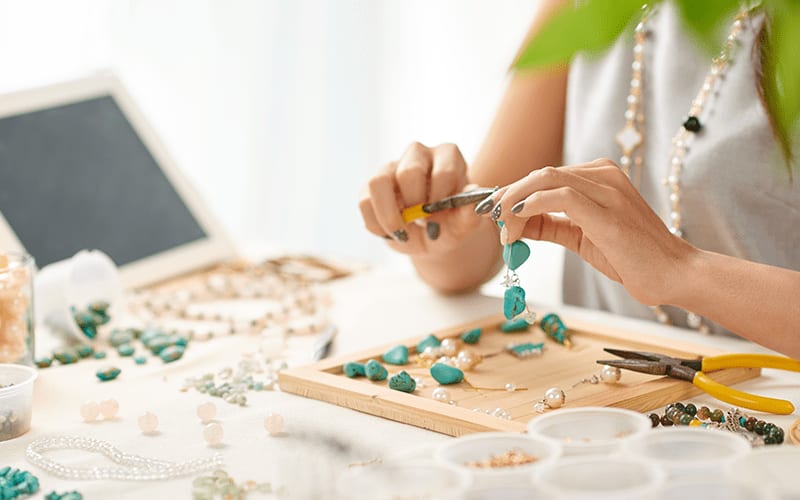
Selling jewelry can be both an art and a business. Whether you’re a private seller looking to part with inherited pieces, a craftsperson building a handmade brand, or a retailer scaling an online store, understanding the jewelry market is critical to maximizing value and minimizing risk.
Jewelry is more than a product. It carries emotional weight, cultural meaning, craftsmanship, and intrinsic value. From fine gold necklaces to vintage estate pieces and modern handmade collections, the path to a successful sale depends on preparation, pricing, presentation, and trust.
This comprehensive guide will walk you through everything you need to know about how to sell jewelry effectively, profitably, and confidently.
Understanding the Type of Jewelry You’re Selling
Before you list or approach any buyer, you must clearly understand what you are selling. Jewelry falls into several categories, and each category requires a slightly different strategy.
Fine Jewelry
Fine jewelry typically includes precious metals such as gold, platinum, and silver, often combined with gemstones like diamonds, sapphires, emeralds, and rubies. These pieces derive value from:
- Metal purity (e.g., 14K, 18K gold)
- Gemstone quality
- Brand name
- Craftsmanship
- Condition
Fashion or Costume Jewelry
Costume jewelry is typically made from base metals and synthetic or lower-value stones. It is valued more for style, brand recognition, or collectability than material worth.
Handmade Jewelry
Handmade pieces can range from artisan silver rings to custom gemstone necklaces. The value often depends on design originality, craftsmanship, branding, and perceived uniqueness.
Vintage and Estate Jewelry
Vintage and estate jewelry may have additional value due to age, rarity, or association with well-known periods such as Art Deco or Victorian eras. Provenance and historical significance can significantly increase value.
Understanding your jewelry category helps determine where and how to sell it.
Step 1: Get Your Jewelry Evaluated
Professional evaluation is critical, especially for fine jewelry.
Consider:
- Visiting a certified gemologist
- Getting a formal appraisal for high-value items
- Requesting a diamond grading report (if applicable)
For diamonds, certifications from organizations like the Gemological Institute of America or the American Gem Society add credibility and significantly improve buyer confidence.
An appraisal provides:
- Metal content confirmation
- Stone quality analysis
- Market value estimate
- Insurance value (which may differ from resale value)
Keep in mind that insurance appraisals are usually higher than resale prices. Resale typically ranges between 20% and 70% of retail value, depending on demand and condition.
Step 2: Understand What Determines Jewelry Value
Several factors influence what buyers are willing to pay.
Metal Value
Precious metals have intrinsic value based on weight and purity. Gold, platinum, and silver are priced according to market rates. Monitor current commodity prices before selling.
Gemstone Quality
For diamonds, the 4Cs matter:
- Cut
- Color
- Clarity
- Carat weight
Higher-quality stones command stronger resale prices. Colored gemstones are evaluated based on color intensity, clarity, origin, and treatment history.
Brand Recognition
Branded jewelry often sells for more. Pieces from luxury houses such as:
- Tiffany & Co.
- Cartier
- Harry Winston
can command premium prices due to brand equity and market demand.
Condition
Scratches, loose stones, missing components, or heavy wear reduce resale value. In some cases, minor professional polishing or repair may increase sale price.
Market Demand
Trends influence price. For example:
- Vintage styles may surge in popularity.
- Lab-grown diamonds are reshaping pricing structures.
- Minimalist gold jewelry may outperform ornate styles in certain markets.
Understanding current trends helps you position your piece effectively.
Step 3: Decide Where to Sell Jewelry
Choosing the right sales channel significantly impacts how much you earn.
1. Jewelry Stores and Local Jewelers
Local jewelers often buy fine jewelry outright. This method is fast and convenient but may offer lower payouts because the store needs room for resale profit.
Best for:
- Quick sales
- Standard gold pieces
- Non-branded items
2. Pawn Shops
Pawn shops offer immediate cash but typically pay less than other options. They focus heavily on metal value rather than craftsmanship or brand prestige.
Best for:
- Urgent sales
- Lower-value pieces
3. Online Marketplaces
Platforms such as:
- eBay
- Etsy
- Facebook Marketplace
allow you to sell directly to buyers, potentially earning higher returns.
Pros:
- Larger audience
- Higher selling potential
- Control over pricing
Cons:
- Requires effort
- Handling shipping and returns
- Risk of fraud
4. Auction Houses
For high-value, rare, or antique pieces, major auction houses such as:
- Sotheby's
- Christie's
may achieve premium prices through competitive bidding.
Best for:
- Rare vintage jewelry
- Signed designer pieces
- Exceptional gemstones
5. Consignment Shops
Consignment allows a retailer to display and sell your piece for a commission, often between 20% and 50%.
Pros:
- Higher sale price potential
- Professional selling support
Cons:
- Longer wait time
- Commission fees
6. Direct-to-Consumer Online Store
If you're building a brand, creating your own website via platforms like:
- Shopify
- WooCommerce
offers complete control over branding and pricing.
This approach is ideal for artisans and long-term jewelry businesses.
Step 4: Prepare Jewelry for Sale
Presentation significantly affects perceived value.
Clean and Polish
Have pieces professionally cleaned. A sparkling diamond or polished gold ring looks dramatically more appealing.
Repair Minor Damage
Fix loose stones or broken clasps. Minor repairs can increase buyer confidence and price.
Gather Documentation
Include:
- Appraisal certificates
- Diamond grading reports
- Original receipts
- Brand packaging
- Authentication cards
These items increase trust and can justify higher pricing.
Step 5: Photograph Jewelry Professionally
Images are crucial, especially online.
Photography Tips
- Use natural lighting
- Avoid harsh shadows
- Use a clean background (white or neutral)
- Capture multiple angles
- Include close-ups of hallmarks and stamps
- Show scale (ring on finger, necklace on mannequin)
For high-value items, professional photography can pay off significantly.
Step 6: Write Compelling Product Descriptions
Strong descriptions convert interest into sales.
Include:
- Metal type and purity
- Stone details (size, cut, clarity)
- Measurements
- Weight
- Condition
- Brand name (if applicable)
- Certification details
Avoid vague language. Instead of saying “beautiful diamond,” write:
“1.2 carat round brilliant diamond, G color, VS1 clarity, GIA certified.”
Specificity builds buyer confidence.
Step 7: Price Strategically
Pricing depends on your selling channel.
Research Comparable Listings
Search similar items on:
- eBay
- Etsy
Look at completed sales, not just listed prices.
Decide Your Pricing Strategy
- Competitive pricing for quick sales
- Premium pricing for rare items
- Negotiable pricing if selling privately
Always leave room for negotiation if selling peer-to-peer.
Step 8: Market Your Jewelry Effectively
If you’re building a jewelry business, marketing is essential.
Social Media
Instagram and Pinterest are highly visual platforms ideal for jewelry marketing. Showcase:
- Lifestyle photos
- Behind-the-scenes creation
- Styling inspiration
Influencer Collaborations
Partner with micro-influencers who align with your brand aesthetic.
Paid Advertising
Run targeted ads on social platforms and search engines to reach buyers actively searching for jewelry.
Email Marketing
Build a subscriber list. Offer exclusive discounts and early access to new collections.
Step 9: Ensure Secure Transactions
Security protects both seller and buyer.
Use Secure Payment Methods
Prefer:
- Bank transfers
- Verified payment processors
- Escrow services for high-value pieces
Avoid accepting checks from unknown buyers.
Insure Shipments
Always ship high-value jewelry with:
- Insurance coverage
- Signature confirmation
- Tracking number
Step 10: Understand Legal and Tax Considerations
Selling jewelry may have tax implications.
Consider:
- Capital gains tax (for high-value appreciation)
- Sales tax requirements (for businesses)
- Business licensing if selling regularly
Consult a tax professional for compliance guidance.
Tips for Selling Specific Types of Jewelry
Selling Gold Jewelry
If selling purely for melt value:
- Weigh the item accurately
- Know current gold market prices
- Get multiple quotes
Avoid the first offer without comparison.
Selling Diamond Rings
Engagement rings often depreciate significantly at resale. To maximize value:
- Include certification
- Emphasize diamond quality
- Consider auction or consignment
Selling Branded Jewelry
Luxury pieces from brands like Cartier and Tiffany & Co. often retain value better than generic pieces. Always provide authenticity documentation.
Selling Handmade Jewelry
Focus on:
- Storytelling
- Brand identity
- Unique design elements
- Customer reviews
Your brand story can justify premium pricing.
Common Mistakes to Avoid
- Overpricing based on emotional attachment
- Selling without comparison shopping
- Poor photography
- Ignoring certifications
- Failing to disclose damage
- Accepting insecure payment methods
Avoiding these mistakes protects your credibility and profits.
Negotiation Strategies
When selling privately, negotiation is common.
Tips:
- Set a minimum acceptable price
- Stay calm and professional
- Justify pricing with documentation
- Be willing to walk away
Confidence signals legitimacy.
When to Melt vs. Resell
Sometimes jewelry has more value as scrap metal than as a finished piece.
Consider melting if:
- The design is outdated
- Stones are low quality
- Repair costs exceed resale potential
However, rare or branded items should never be melted without evaluation.
Building a Long-Term Jewelry Selling Business
If your goal is not just a one-time sale but an ongoing jewelry business, focus on:
- Branding consistency
- Customer service excellence
- Repeat buyers
- Professional packaging
- Transparent return policies
Trust drives long-term success in jewelry sales.
Final Thoughts
Selling jewelry successfully requires preparation, research, presentation, and strategic decision-making. Whether you are parting with a single heirloom ring or building a full-scale jewelry brand, understanding value drivers and choosing the right platform makes all the difference.
Take the time to:
- Evaluate professionally
- Research thoroughly
- Present beautifully
- Price strategically
- Secure transactions carefully
Jewelry is deeply personal and financially significant. When sold correctly, it can deliver strong returns and positive buyer experiences. Approach the process thoughtfully, and you will maximize both value and success.
If you are selling as a business, remember that reputation is everything. Transparency, quality, and professionalism will set you apart in a competitive market.
With the right strategy, selling jewelry can become not only profitable but sustainable and rewarding over the long term.