
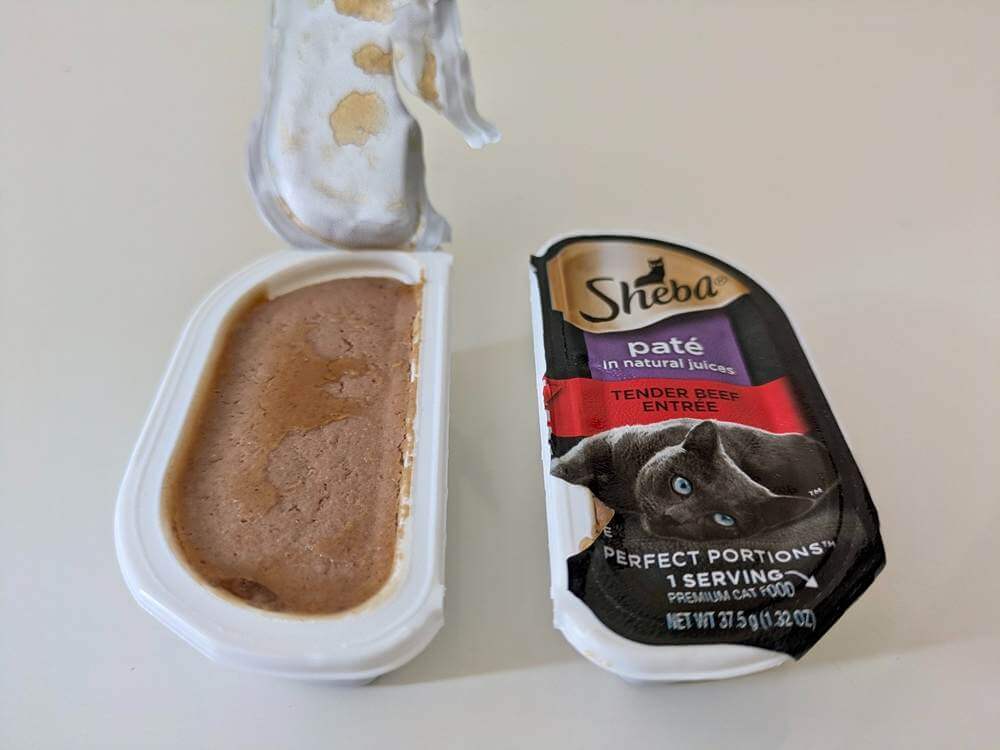
In this comprehensive guide, we’ll unpack everything you need to know — from ingredient analysis and nutritional value to real-world vet insights, brand reputation, pros and cons, and how Sheba compares to alternatives. By the end, you’ll be armed to decide if Sheba is a good, healthy, safe, and appropriate choice for your cat.
Table of Contents
- What Is Sheba? Brand Overview
- Types of Sheba Cat Food
- Ingredient Breakdown: What’s Inside Sheba
- Nutritional Profile
- Pros of Feeding Sheba
- Cons and Potential Concerns
- How Sheba Compares to Other Premium Cat Foods
- Vet Opinions & Expert Insight
- Who Is Sheba Best Suited For?
- How to Introduce Sheba to Your Cat
- Common Questions From Cat Owners
- Final Verdict – Is Sheba Good Cat Food?
1. What Is Sheba? Brand Overview
Sheba is a cat food brand owned by Mars Petcare, one of the largest pet food manufacturers in the world. Mars also owns other big names like Royal Canin, Whiskas, and Iams.
Sheba markets itself as premium, high-quality wet cat food with a focus on taste, texture, and variety. Products are typically sold in elegant single-serve trays or portions, positioned more luxuriously than basic grocery store brands.
Sheba’s brand identity centers on:
- Wet food excellence
- Palatable flavors
- Rich, real ingredients
- Appealing packaging
Historically, Sheba has been known more for gourmet appeal than for in-depth nutritional transparency — which is a key aspect we’ll evaluate next.
2. Types of Sheba Cat Food
Sheba’s product range primarily consists of wet cat food varieties, including:
Classics & Entrées
- Sheba Perfect Portions
- Sheba Sensations
- Sheba Creamy Soufflés
By Protein Source
Typical flavors include:
- Chicken
- Salmon
- Tuna
- Turkey
- Ocean fish blends
Formats
Sheba comes in several formats:
- Single-serve trays
- Portion pans
- Gravy styles
- Luscious patés
Sheba does not currently have a dry kibble line — it focuses almost entirely on wet food.
3. Ingredient Breakdown: What’s Inside Sheba
A critical question when evaluating any cat food is: what does the ingredient list actually contain?
Below is a common pattern in Sheba wet food ingredients:
Typical Ingredient List (Example)
Chicken, chicken broth, liver, tuna, modified tapioca starch, natural flavors, carrageenan, vitamins, minerals.
Key Things to Look For
✔ Real Meat as Primary Ingredient
Sheba often lists meat first — a good sign. Cats are obligate carnivores, meaning:
🟩 Protein from real meat is ideal.
✔ Moisture Content
Wet food like Sheba is high in moisture — beneficial for:
- Hydration
- Urinary tract health
- Kidney function
⚠ Additives & Thickeners
Some Sheba formulas may contain:
- Carrageenan
- Modified starches
- Natural flavors (undefined)
These ingredients are common in wet pet foods but can be controversial:
- Carrageenan: Used to improve texture but has sparked debate over digestive sensitivity in some pets.
- “Natural flavors”: Vague definition — not necessarily bad, but not specific.
Overall, ingredient quality varies by flavor and recipe.
4. Nutritional Profile
Protein
Cats require high protein — ideally from animal sources. Sheba generally provides moderate to high protein levels in most formulas.
Fat
Fat is vital for:
- Energy
- Skin/coat health
- Absorption of fat-soluble vitamins
Sheba wet foods typically contain moderate fat levels.
Carbohydrates
Cats don’t require carbs. Wet foods normally have fewer carbs than dry foods, but fillers like starches can add calories without much benefit.
Moisture
One of the biggest nutritional benefits of wet food — Sheba excels here. High moisture supports hydration.
5. Pros of Feeding Sheba
Let’s look at what makes Sheba appealing.
1. Excellent Palatability
Cats are notorious food critics — Sheba is usually well-liked.
✅ Many cats eat it eagerly
✅ Strong aroma and texture variety
✅ Helps picky eaters
2. High Moisture Content
Wet food = hydrated cats. This can support:
- Urinary health
- Kidney function
- Appetite stimulation
3. Real Meat First
Many varieties list real meat or fish first — ideal for feline nutrition.
4. Portion Control
Single-serve trays help:
- Prevent spoilage
- Manage calorie intake
- Reduce overfeeding
5. No Dry Kibble Fillers
Sheba doesn’t use grains or kibble — so overall carbohydrate content is lower than many dry foods.
6. Cons and Potential Concerns
Of course, no food is perfect. Here are the downsides many reviewers and vets note.
1. Presence of Carrageenan & Thickeners
Carrageenan is a controversial ingredient. Some cats tolerate it fine; others may show:
- Digestive upset
- Soft stools
- Sensitivity reactions
While scientific evidence is mixed, some owners prefer formulas without carrageenan.
2. Not All Recipes Are Equal
Ingredient quality can vary by flavor. Some varieties have:
- More fillers
- Less clear ingredient sourcing
- Higher salt content
Always read the exact recipe.
3. Not Enough for All Life Stages
Sheba does not have specific life-stage formulas (e.g., kitten, senior, weight management). Most are “adult maintenance.”
This matters if your cat has:
- Special health needs
- Growth requirements
- Weight issues
4. Price Point
Sheba leans toward the premium price tier — which may not fit every budget.
7. How Sheba Compares to Other Premium Cat Foods
Let’s compare Sheba with other categories.
| Category | Sheba | High-end vet formula | Top grain-free wet food |
| | -- | -- | -- |
| Protein quality | Good | Excellent | Very good |
| Ingredient transparency | Moderate | High | Medium/High |
| Grain vs. grain-free | Mixed | Depends | Often grain-free |
| Specialized formulas | No | Yes | Sometimes |
| Hydration support | Excellent | Excellent | Excellent |
| Price | Mid-Premium | Premium-High | Premium |
vs. Royal Canin / Hill’s / Purina Pro Plan
Those brands offer:
🔹 Formulas for health conditions
🔹 Life-stage specific nutrition
🔹 Vet-recommended options
Sheba does not specialize in therapeutic nutrition.
8. Vet Opinions & Expert Insight
When veterinarians evaluate cat foods, they look at:
- Ingredient quality
- Nutrient balance
- Life stage appropriateness
- Digestibility
- Safety & recalls
General vet sentiment on Sheba
✔ Acceptable for healthy adult cats
✔ Hydrating wet food is a plus
⚠ Not ideal as sole diet for cats needing therapeutic nutrition
⚠ Ingredient opacity on “natural flavors” and thickeners
👉 Most vets recommend Sheba as part of a balanced diet, especially when rotated with other complete foods.
9. Who Is Sheba Best Suited For?
Sheba may be a good option for:
🐾 Picky Eaters
The palatability is often exceptional.
🐾 Cats Needing Hydration
Wet food always helps with moisture intake.
🐾 Occasional Treat or Meal Addition
Many owners use Sheba as:
- Meal toppers
- Snacks
- Appetite stimulants
🐾 Adult Cats Without Health Issues
Generally well-tolerated for most adult cats.
10. How to Introduce Sheba to Your Cat
If you decide to feed Sheba:
Step-by-Step Introduction
- Start slow: Mix with current food over 3–5 days.
- Watch appetite: Cats may prefer the taste — that’s ok.
- Monitor stools & digestion
- Adjust portions based on weight
- Store opened trays properly in the fridge
✅ Always provide fresh water
✅ Don’t leave wet food out for more than 1–2 hours
11. Common Questions From Cat Owners
Q: Is Sheba grain-free?
Some varieties are grain-free, but not all. Always check the label.
Q: Can kittens eat Sheba?
Sheba is formulated for adult maintenance, not specifically for kitten growth needs.
Q: Is Sheba better than dry food?
Wet food offers hydration and typically fewer carbs. Many vets prefer wet food over dry — especially for urinary health.
Q: Does Sheba cause weight gain?
Portion control matters. Too many trays without calorie awareness can lead to weight gain.
12. Final Verdict – Is Sheba Good Cat Food?
Short Answer
✔ Yes, Sheba is generally good wet cat food for many adult cats, especially for hydration and palatability.
Long Answer
Sheba is not the absolute top tier in terms of nutrition compared to veterinary therapeutic diets, holistic formulas, or brands with transparent sourcing and life stage nutrition.
But for:
🐱 Healthy adults
🍽 Everyday feeding
💧 Hydration support
😺 Picky eaters
Sheba is a legitimate and reasonable choice.
When to Choose Something Else
🟥 If your cat has a health condition
🟥 If you want high-protein, grain-free with no thickeners
🟥 If you need kitten/senior targeted nutrition
Bonus: How to Evaluate ANY Cat Food (Checklist)
Before choosing food, ask:
✔ Does it list real meat first?
✔ Does it meet AAFCO nutrient standards?
✔ Is the protein source clear (not generic “meat”)
✔ Does it avoid controversial additives?
✔ Does it match my cat’s life stage?
✔ Does my cat tolerate it?
If yes — it’s worth feeding.
Conclusion
Is Sheba good cat food?
Yes — Sheba is good for many adult cats as a primary wet food or supplemental meal.
However, it’s not the most advanced nutritional formula on the market, and it may not suit every cat’s needs.
As with all pet foods, the right choice depends on your individual cat — their health, preferences, and dietary requirements. Use Sheba thoughtfully, monitor your cat’s response, and don’t be afraid to ask your veterinarian for personalized guidance.