
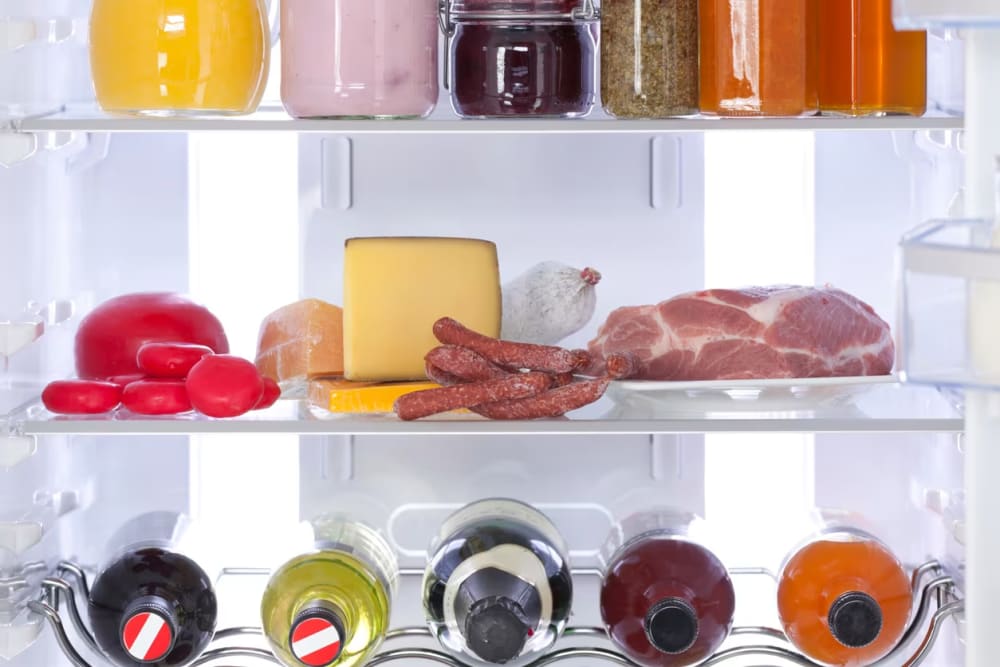
Power outages can happen without warning — during storms, grid failures, maintenance work, or unexpected technical issues. When the electricity goes out, one of the biggest concerns inside any home is food safety. Refrigerators and freezers rely on consistent power to keep food at safe temperatures. Without it, the clock starts ticking.
So, how long does food last in a fridge without power? The short answer is about 4 hours — but that’s only part of the story. Many factors determine whether your food remains safe or becomes a health risk.
In this detailed guide, you’ll learn:
- Exactly how long food stays safe without power
- Which foods spoil first
- How freezer times differ from fridge times
- What temperatures are considered safe
- How to tell if food has gone bad
- Practical steps to extend food safety during outages
Let’s break it down.
The 4-Hour Rule: The Basic Timeline
When the power goes out:
- A refrigerator will keep food safely cold for about 4 hours, if the door remains closed.
- A full freezer will hold its temperature for about 48 hours.
- A half-full freezer will stay safe for about 24 hours.
The key phrase here is: if the doors stay closed.
Every time you open the door, warm air enters and speeds up bacterial growth.
Why Temperature Matters So Much
Food safety depends on temperature. Bacteria multiply rapidly between:
40°F and 140°F (4°C to 60°C)
This range is known as the “danger zone.”
Refrigerators are designed to keep food at or below:
- 40°F (4°C)
Freezers keep food at:
- 0°F (-18°C)
Once your fridge temperature rises above 40°F for more than 2 hours, perishable foods may no longer be safe.
What Happens Inside the Fridge During a Power Outage?
When the electricity shuts off:
- The cooling system stops.
- Internal temperature gradually rises.
- Ice in the freezer begins to melt.
- Bacteria start multiplying faster.
How fast the temperature rises depends on:
- Room temperature
- How full the fridge is
- Insulation quality
- How often the door is opened
A full fridge stays colder longer because the food itself helps retain cold air.
How Long Different Foods Last Without Power
Not all foods spoil at the same rate. Some are more sensitive to temperature changes than others.
Highly Perishable Foods (Discard After 4 Hours Above 40°F)
These foods should be thrown away if they’ve been above 40°F for more than 2 hours:
- Raw meat (beef, chicken, fish)
- Cooked meat
- Dairy products (milk, cream, yogurt)
- Soft cheeses
- Eggs
- Cooked rice or pasta
- Leftovers
- Deli meats
- Opened sauces with dairy
These items provide an ideal environment for bacterial growth.
Moderately Perishable Foods
These may last slightly longer but should still be checked carefully:
- Hard cheeses (cheddar, parmesan)
- Butter
- Margarine
- Fresh fruits
- Fresh vegetables
- Bread
- Peanut butter
- Jams and jellies
Most fruits and vegetables can survive several hours without refrigeration.
Foods That Usually Remain Safe
These foods are generally safe even if the fridge warms up:
- Whole fruits (apples, oranges, bananas)
- Pickles
- Mustard
- Ketchup
- Vinegar-based sauces
- Shelf-stable juices (unopened)
- Soda
- Dried foods
- Canned goods
If unopened and shelf-stable, they rarely pose a risk.
Freezer Without Power: What You Need to Know
Freezers behave differently from refrigerators.
Full Freezer: Up to 48 Hours
If completely full and unopened, a freezer can keep food frozen for up to 48 hours.
Half-Full Freezer: About 24 Hours
The less full it is, the faster temperatures rise.
When Is Frozen Food Still Safe?
Frozen food is safe if:
- It still contains ice crystals
- Temperature has stayed at or below 40°F
- It does not have an unusual smell
Even if food has partially thawed, it can often be refrozen if it remains cold.
However, if:
- Meat feels warm
- Ice crystals are completely gone
- It has been above 40°F for more than 2 hours
It should be discarded.
How to Check If Food Is Still Safe
Do not rely only on smell or appearance. Dangerous bacteria often:
- Do not change color
- Do not change smell
- Do not change taste
The safest method is to use a food thermometer.
If the fridge temperature has been above 40°F for more than 4 hours, most perishables should be discarded.
When in doubt, throw it out.
Factors That Affect How Long Food Lasts
Several important variables influence food safety during outages.
1. Room Temperature
If your kitchen temperature is:
- Below 70°F (21°C) → food stays safe longer
- Above 90°F (32°C) → food spoils much faster
Hot climates dramatically reduce safe storage time.
2. How Full the Fridge Is
A full refrigerator retains cold longer than an empty one. Cold items help stabilize internal temperature.
3. Door Openings
Every time the door opens:
- Cold air escapes
- Warm air enters
- Temperature rises quickly
Limit door openings to emergencies only.
4. Initial Temperature
If your fridge was set properly at 35–38°F before the outage, it will maintain safe levels longer.
How to Extend Food Safety During a Power Outage
Preparation and quick action can save both food and money.
Keep the Doors Closed
This is the most important rule.
Avoid checking repeatedly.
Add Ice Packs
If available:
- Place ice packs in the fridge
- Move ice from freezer to refrigerator
- Use bags of ice from stores
Ice slows temperature rise significantly.
Group Food Together
Place items close together to retain cold.
Use a Cooler
If outage lasts more than 4 hours:
- Transfer perishables to a cooler
- Fill with ice
- Keep temperature below 40°F
Use a Thermometer
Keep appliance thermometers in both fridge and freezer to monitor temperatures accurately.
Signs Food Has Gone Bad
Even if food appears normal, watch for:
- Sour or unusual smell
- Slimy texture
- Mold growth
- Bubbling in liquids
- Swollen packaging
However, remember: lack of visible signs does not mean safety.
Special Considerations for Specific Foods
Milk
Milk spoils quickly. If warm for more than 2 hours above 40°F, discard.
Eggs
If eggs reach room temperature for several hours, they may become unsafe.
Meat and Poultry
Raw meat is highly risky once warmed. Do not taste to test.
Seafood
Spoils faster than red meat. Discard if uncertain.
Cooked Food
Leftovers are particularly dangerous because bacteria may already be present.
What About Baby Formula and Breast Milk?
These require extra caution.
- Discard prepared formula if warm for more than 1 hour.
- Frozen breast milk that still contains ice crystals may be refrozen.
- Thawed breast milk should not be refrozen if completely warmed.
Power Outage Longer Than 24 Hours: What to Expect
After 24 hours without power:
- Refrigerated perishables are unsafe.
- Most freezer items in a half-full freezer will begin thawing.
- Food poisoning risk increases significantly.
At this point, prioritize safety over cost.
Health Risks of Eating Spoiled Food
Eating food kept too long without refrigeration can cause:
- Food poisoning
- Vomiting
- Diarrhea
- Fever
- Abdominal cramps
- Severe dehydration
High-risk groups include:
- Children
- Elderly individuals
- Pregnant women
- People with weakened immune systems
When It’s Safer to Throw Food Away
You should discard food if:
- You don’t know how long power was out
- Temperature exceeded 40°F for more than 4 hours
- Food smells off
- Texture has changed
- You are unsure
Food poisoning costs more than replacing groceries.
After Power Returns: What To Do
Once electricity is restored:
- Check temperatures immediately.
- Discard questionable items.
- Clean refrigerator shelves.
- Sanitize surfaces with mild bleach solution.
- Refreeze safe frozen food quickly.
Preventing Future Food Loss
Preparation reduces stress and waste.
Keep Appliance Thermometers
Know exact temperatures during outages.
Freeze Water Bottles
They help maintain cold temperature and can serve as ice packs.
Keep Freezer Well Stocked
A full freezer stays cold longer.
Consider Backup Power
Options include:
- Portable generators
- Battery backup systems
- Solar power solutions
Frequently Asked Questions
Can I refreeze thawed food?
Yes, if it still contains ice crystals and stayed below 40°F.
Is food safe if it smells fine?
Not necessarily. Some harmful bacteria do not produce odors.
What about condiments?
Most vinegar-based condiments are safe even after power loss.
How long can eggs sit in fridge without power?
Up to 4 hours if temperature stays below 40°F.
Quick Reference Safety Chart
Fridge (door closed): ~4 hours
Freezer (full): ~48 hours
Freezer (half full): ~24 hours
Danger zone: 40°F–140°F
Final Thoughts
When it comes to food safety during a power outage, the most important rule is simple:
If in doubt, throw it out.
A refrigerator can only maintain safe temperatures for about 4 hours without electricity. After that, perishable foods may become unsafe, even if they look and smell normal.
Freezers provide more time — up to 48 hours if full — but temperature monitoring remains essential.
By keeping doors closed, using ice, monitoring temperatures, and knowing which foods spoil first, you can significantly reduce risk.
Power outages are inconvenient, but foodborne illness is far worse. With preparation and awareness, you can protect both your health and your household during unexpected blackouts.