
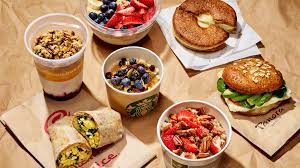
Fast food has long been associated with greasy burgers, oversized sodas, and meals packed with calories, sodium, and saturated fat. Yet in today’s world, fast food is no longer limited to deep-fried indulgences. Whether you're grabbing lunch between meetings, fueling up after the gym, or feeding a family on a busy weeknight, fast food is part of modern life.
The real question isn’t whether fast food is “good” or “bad.” Instead, it’s this:
What’s the healthiest fast food choice you can make?
The answer depends on understanding nutrition basics, reading menus strategically, and choosing wisely. This in-depth guide breaks down what makes fast food healthy, which menu items are better than others, and how you can consistently make smarter choices — without sacrificing convenience or flavor.
What Does “Healthy” Fast Food Actually Mean?
Before naming specific items, we need to define what healthy means in the context of fast food.
A healthy fast food meal typically:
- Contains moderate calories (generally 300–600 per meal)
- Is rich in protein for satiety
- Includes fiber from vegetables, legumes, or whole grains
- Is lower in saturated fat
- Avoids excessive sodium
- Minimizes added sugars
- Contains minimal processed ingredients
Healthy doesn’t necessarily mean ultra-low calorie. It means balanced. A 500-calorie meal packed with protein, fiber, and nutrients can be healthier than a 300-calorie item full of refined carbs and sodium.
The Core Components of a Healthy Fast Food Meal
When evaluating fast food options, look for these nutritional pillars:
1. Lean Protein
Protein increases satiety, supports muscle maintenance, and helps regulate blood sugar. Healthier fast food protein sources include:
- Grilled chicken
- Turkey
- Beans
- Tofu
- Eggs
- Grilled fish
Avoid heavily breaded or fried proteins when possible.
2. Fiber
Fiber improves digestion, stabilizes blood sugar, and keeps you full longer. Good sources include:
- Whole grain bread or wraps
- Brown rice
- Black beans
- Lentils
- Vegetables
- Salads with diverse toppings
3. Healthy Fats
Healthy fats help absorb nutrients and promote fullness. Look for:
- Avocado
- Nuts and seeds
- Olive oil-based dressings
Minimize items high in trans fats and excessive saturated fats.
4. Controlled Sodium
Fast food is notorious for high sodium content. The ideal daily limit is around 2,300 mg, and many single fast food meals exceed half that. Grilled options, salads (without heavy dressings), and customizable bowls tend to be lower.
Healthiest Fast Food Categories (Ranked by Flexibility)
Rather than focusing on one single meal, it's more practical to look at categories of fast food that offer healthier choices.
1. Build-Your-Own Bowl Restaurants
Customizable bowl chains are among the healthiest fast food options because you control the ingredients.
At places like Chipotle, you can build a balanced bowl with:
- Brown rice
- Black beans
- Grilled chicken
- Fajita vegetables
- Tomato salsa
- A small portion of guacamole
This type of bowl typically delivers:
- High protein
- Significant fiber
- Balanced macronutrients
- Controlled calories if you skip sour cream and heavy cheese
The ability to customize makes bowl-style restaurants one of the healthiest fast food formats available.
2. Grilled Chicken Sandwiches
If you’re craving something handheld, a grilled chicken sandwich is often the healthiest fast food option.
At Chick-fil-A, the Grilled Chicken Sandwich contains lean protein and fewer calories than fried alternatives. Pair it with a fruit cup instead of fries to create a balanced meal.
Key benefits:
- Lower saturated fat
- Solid protein content
- Moderate calorie range
Avoid high-calorie sauces to keep it healthier.
3. Sub Sandwich Shops
Sandwich shops allow customization, which makes them flexible.
At Subway, ordering a 6-inch sandwich on whole grain bread with turkey, lots of vegetables, and mustard instead of mayonnaise can result in a balanced meal around 300–400 calories.
Healthy strategy:
- Choose whole grain bread
- Double the vegetables
- Skip creamy sauces
- Choose lean meats
Be cautious of footlongs, processed meats, and heavy cheese portions.
4. Mediterranean Fast Casual
Mediterranean cuisine often emphasizes vegetables, legumes, grilled meats, and olive oil.
At CAVA, you can build a bowl with:
- Greens
- Grilled chicken or falafel
- Hummus
- Tzatziki (in moderation)
- Pickled vegetables
This style of eating aligns with research-backed Mediterranean diet principles known for heart health and longevity benefits.
5. Fast Food Chains with Health-Conscious Options
Even traditional chains now offer lighter items.
At McDonald's, healthier options may include:
- Egg McMuffin
- Hamburger (single patty)
- Apple slices
- Side salad
The key is portion control. Avoid supersizing.
At Taco Bell, items like the Fresco-style tacos (which replace cheese and sauce with pico de gallo) can reduce calories and fat significantly.
So… What Is the Single Healthiest Fast Food Meal?
While there isn’t one universal answer, nutrition experts often point to meals that combine:
- Grilled protein
- High vegetable content
- Whole grains or legumes
- Limited added sauces
One of the most balanced examples would be:
A grilled chicken and vegetable bowl with brown rice and beans, topped with salsa and a small portion of healthy fat (like avocado).
This type of meal offers:
- 25–40g protein
- 8–15g fiber
- Moderate calories (450–650)
- Balanced macronutrients
- Minimal added sugar
It supports blood sugar control, satiety, and nutrient intake — all essential components of healthy eating.
The Healthiest Fast Food Breakfast Options
Breakfast can be tricky because many fast food items are loaded with refined carbs and sugar.
Better options include:
- Egg-based sandwiches without sausage
- Greek yogurt with fruit
- Oatmeal (without excessive sweeteners)
- Egg white wraps
For example, the Egg McMuffin at McDonald's provides protein and moderate calories compared to larger breakfast platters.
Avoid:
- Sugary coffee drinks
- Biscuit sandwiches
- Large hash brown portions
- Pancake platters with syrup
The Healthiest Fast Food Salads (With a Catch)
Salads can be either extremely healthy or surprisingly high in calories.
A grilled chicken salad with vinaigrette dressing on the side can be excellent. However, crispy chicken, bacon, cheese, and creamy dressings can push salads past 800 calories.
Healthy salad checklist:
- Grilled protein
- Lots of leafy greens
- Beans or seeds for fiber
- Dressing on the side
- Avoid fried toppings
Common Fast Food Health Traps to Avoid
Even when trying to eat healthy, certain traps can sabotage your goals.
1. Liquid Calories
Soda, sweet tea, and specialty coffee drinks can add 200–500 calories quickly. Water, unsweetened tea, or black coffee are healthier alternatives.
2. Oversized Portions
Many meals exceed typical caloric needs. Splitting meals or choosing smaller sizes helps.
3. “Healthy-Sounding” Items
Wraps, smoothies, and salads can contain hidden sugars and fats. Always check ingredients.
Fast Food and Different Health Goals
The healthiest option depends on your goals.
For Weight Loss
Focus on:
- 300–500 calorie meals
- High protein
- Low added sugar
- Minimal sauces
For Muscle Gain
Prioritize:
- 30–40g protein
- Moderate carbs
- Balanced fats
A double serving of grilled protein in a bowl works well.
For Heart Health
Choose:
- High-fiber options
- Low sodium items
- Olive oil-based dressings
- Limited red meat
Mediterranean-style fast casual meals are ideal.
How Often Can You Eat Fast Food and Still Be Healthy?
Fast food can fit into a balanced diet if:
- It’s not your primary food source
- You choose wisely
- You balance it with whole foods at other meals
- You monitor sodium and overall intake
Eating fast food occasionally — even weekly — can be part of a healthy lifestyle when approached strategically.
The Big Picture: It’s About Patterns, Not Perfection
The healthiest fast food choice is not about finding a magical menu item. It’s about making consistent, informed decisions.
If you:
- Choose grilled over fried
- Prioritize vegetables
- Select whole grains
- Limit sauces
- Avoid sugary drinks
You can turn fast food from a nutritional liability into a manageable convenience.
Final Answer: What’s the Healthiest Fast Food?
The healthiest fast food is typically:
A customizable bowl with grilled lean protein, high vegetable content, fiber-rich carbs, and limited added fats or sauces.
Among mainstream options, build-your-own bowl restaurants and Mediterranean-style fast casual chains tend to offer the most balanced and nutritious meals.
Ultimately, the healthiest fast food is the one that:
- Fits your nutritional needs
- Supports your health goals
- Provides balanced macronutrients
- Avoids excessive sodium and added sugar
- Keeps you satisfied
Healthy eating isn’t about avoiding fast food entirely. It’s about making smart, strategic choices when convenience matters.
When you approach fast food with awareness rather than impulse, it becomes another tool in your lifestyle — not an obstacle to your health.