
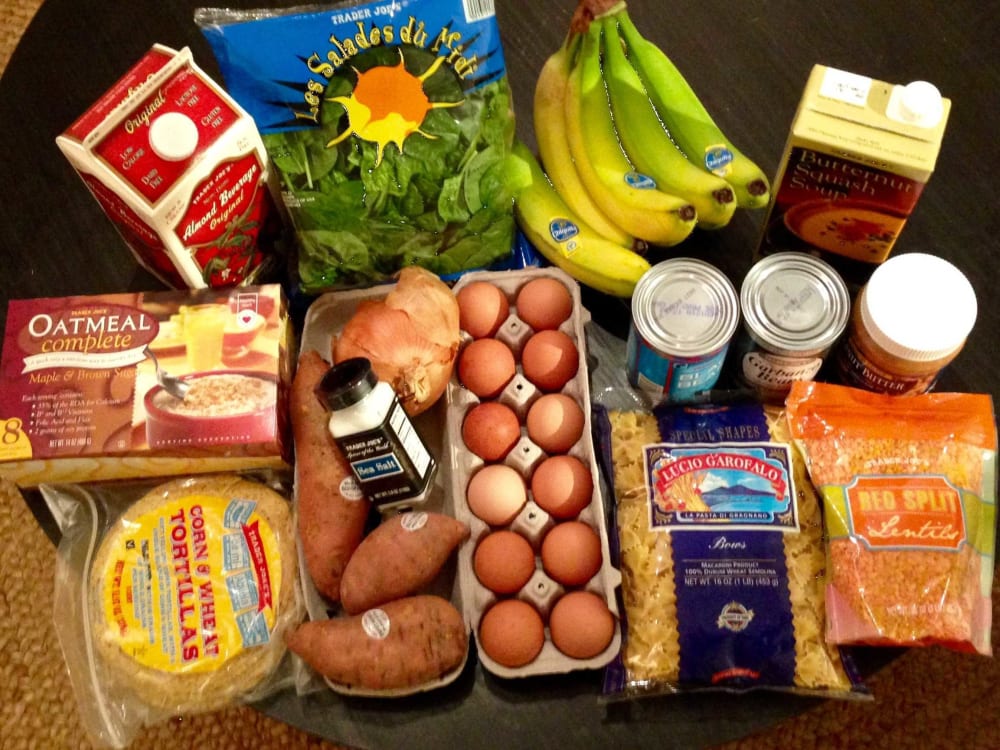
Food assistance programs play a critical role in helping millions of families put food on the table. In the United States, the primary food assistance program is the Supplemental Nutrition Assistance Program (SNAP), formerly known as food stamps. If you’ve recently qualified for benefits—or are considering applying—you may be wondering: What exactly can you buy with food stamps?
This in-depth guide explains what SNAP covers, what it doesn’t, where you can use your benefits, and how to maximize their value. Whether you’re shopping at a major retailer or a local farmers market, understanding eligible purchases can help you stretch your budget while maintaining a healthy diet.
What Are Food Stamps (SNAP)?
The Supplemental Nutrition Assistance Program (SNAP) is a federal assistance program administered by the United States Department of Agriculture (USDA). SNAP provides low-income individuals and families with monthly benefits loaded onto an Electronic Benefits Transfer (EBT) card, which works like a debit card at approved retailers.
The primary goal of SNAP is to reduce food insecurity by ensuring access to nutritious food. However, SNAP benefits are restricted to specific food categories, and certain items are explicitly excluded.
Understanding these guidelines will help you shop with confidence and avoid declined transactions at checkout.
The Core Rule: Food for Home Consumption
The general rule for SNAP eligibility is simple:
You can buy food intended for home preparation and consumption.
This includes most grocery items found in supermarkets, grocery stores, and participating retailers. However, hot prepared foods and non-food items are not allowed.
Let’s break this down in detail.
SNAP-Eligible Foods: What You Can Buy
1. Fruits and Vegetables
You can purchase:
- Fresh fruits and vegetables
- Frozen fruits and vegetables
- Canned fruits and vegetables
- Dried fruits
- Salad mixes
- Fresh herbs
There are no restrictions on organic vs. non-organic produce. Organic items are eligible as long as they are food products.
Fruits and vegetables are among the healthiest purchases you can make with SNAP benefits, and many states offer bonus incentives when shopping at farmers markets.
2. Meat, Poultry, and Fish
SNAP covers a wide range of protein sources, including:
- Fresh or frozen chicken, beef, pork, and turkey
- Fish and seafood
- Ground meats
- Deli meats (cold, packaged)
- Plant-based meat alternatives
As long as the item is not hot and ready to eat at the point of sale, it is generally eligible.
3. Dairy Products
Eligible dairy items include:
- Milk (whole, skim, almond, soy, etc.)
- Cheese
- Yogurt
- Butter
- Cream
- Cottage cheese
- Ice cream
Non-dairy alternatives such as almond milk and oat milk are also allowed because they are considered food products.
4. Bread and Cereals
You can purchase:
- Bread (white, whole wheat, multigrain)
- Rolls and bagels
- Tortillas
- Rice
- Pasta
- Oatmeal
- Breakfast cereals
- Flour and baking mixes
Both store-brand and name-brand items are eligible.
5. Snack Foods and Non-Alcoholic Beverages
While SNAP is designed to promote nutrition, it does not restrict foods based on health value. You can buy:
- Chips
- Cookies
- Crackers
- Granola bars
- Candy
- Soft drinks
- Juice
- Bottled water
- Energy drinks (if labeled as food with nutrition facts)
If an energy drink has a “Nutrition Facts” label, it qualifies. If it has a “Supplement Facts” label, it does not.
6. Seeds and Plants That Produce Food
This is one of the lesser-known benefits.
You can buy:
- Vegetable seeds
- Herb seeds
- Fruit tree saplings
- Tomato plants
- Pepper plants
If the plant produces food for home consumption, it is eligible. This allows families to grow their own fruits and vegetables, stretching benefits even further.
What You Cannot Buy with SNAP
Understanding ineligible items is just as important as knowing what’s allowed.
1. Hot Prepared Foods
SNAP generally does not cover:
- Hot deli meals
- Rotisserie chicken (if sold hot)
- Hot pizza
- Prepared soups
- Restaurant meals
There is an exception called the Restaurant Meals Program (RMP), available in some states for elderly, disabled, or homeless individuals.
2. Alcohol and Tobacco
You cannot purchase:
- Beer
- Wine
- Liquor
- Cigarettes
- Cigars
- Vaping products
These items are strictly prohibited under SNAP guidelines.
3. Non-Food Items
SNAP benefits cannot be used for:
- Household supplies
- Cleaning products
- Paper goods (toilet paper, paper towels)
- Soap and shampoo
- Cosmetics
- Pet food
- Vitamins and supplements
- Medicines
Even though these are essential items, they are not classified as food and therefore are not covered.
4. Vitamins and Supplements
If a product has a “Supplement Facts” label, it is not eligible. This includes:
- Protein powders labeled as supplements
- Herbal supplements
- Multivitamins
- Diet pills
However, some protein powders labeled with “Nutrition Facts” may qualify.
Can You Buy Fast Food with Food Stamps?
In most states, SNAP cannot be used at fast food restaurants.
However, under the Restaurant Meals Program, certain individuals (elderly, disabled, or homeless) may use SNAP at approved restaurants in participating states. These programs are limited and vary by location.
Major fast-food chains may participate in certain states, but this depends entirely on state policy.
Where Can You Use SNAP Benefits?
You can use your EBT card at:
- Grocery stores
- Supermarkets
- Convenience stores (if approved)
- Farmers markets
- Some online retailers
Many major retailers accept SNAP, including large supermarket chains and discount stores.
Online Shopping with SNAP
SNAP benefits can be used for online grocery shopping at approved retailers. The USDA has expanded online purchasing in recent years, allowing beneficiaries to order groceries for pickup or delivery.
However, SNAP benefits typically cannot be used to pay delivery fees, service charges, or tips.
Farmers Markets and SNAP
Many farmers markets accept EBT cards. Some even offer matching programs where you receive extra funds when purchasing fresh produce.
For example, if you spend $10 in SNAP benefits, you might receive an additional $10 in market credit for fruits and vegetables.
This makes farmers markets an excellent way to maximize benefits while accessing fresh, local produce.
Special Rules: Energy Drinks, Bakery Cakes, and Seafood
Some items fall into gray areas.
Energy Drinks
- Eligible if labeled “Nutrition Facts”
- Not eligible if labeled “Supplement Facts”
Bakery Cakes
You can purchase bakery cakes and cupcakes, even if decorated. However, if the value of non-edible decorations exceeds 50% of the cake’s price, it may not qualify.
Live Seafood
Live seafood such as lobster is allowed if it is intended for home preparation.
Can You Buy Organic or Specialty Foods?
Yes. SNAP does not restrict:
- Organic products
- Gluten-free foods
- Specialty diet foods
- Ethnic foods
As long as the item qualifies as food for home preparation, it is eligible.
Using SNAP for Holiday Meals
SNAP can be used to buy:
- Turkey or ham
- Baking ingredients
- Pie ingredients
- Side dishes
Benefits cannot be used for alcohol, even during holidays.
Some charitable organizations also provide supplemental holiday food boxes.
How to Maximize Your SNAP Benefits
Stretching SNAP benefits requires planning and strategy.
1. Plan Weekly Meals
Creating a meal plan prevents impulse purchases and reduces food waste.
2. Compare Unit Prices
Look at cost per ounce or pound rather than total price.
3. Buy Store Brands
Generic brands often cost less and provide similar quality.
4. Use Coupons (When Allowed)
You can combine manufacturer coupons with SNAP purchases.
5. Shop Sales
Pair SNAP benefits with store promotions to maximize savings.
6. Consider Bulk Purchases
Items like rice, beans, and oats are cheaper when bought in larger quantities.
SNAP and Nutrition: Finding a Healthy Balance
Although SNAP allows purchases like candy and soda, making nutritious choices can improve long-term health.
Balanced SNAP shopping might include:
- Lean proteins
- Whole grains
- Fresh produce
- Low-fat dairy
- Legumes
Incorporating these foods can support overall wellness while staying within budget.
Common Misconceptions About Food Stamps
Myth 1: You Can Only Buy Healthy Foods
SNAP does not limit foods based on nutritional value.
Myth 2: You Can Buy Household Items
Only food and food-producing plants qualify.
Myth 3: You Can’t Shop at Big Retailers
Most major grocery chains accept EBT.
Myth 4: Benefits Must Be Used Immediately
SNAP funds roll over month to month, though extended inactivity may lead to removal of unused benefits.
What Happens If You Try to Buy a Non-Eligible Item?
If you attempt to purchase an ineligible item:
- The EBT system will decline that item.
- You can pay separately using another payment method.
- There is no penalty for accidental attempts.
However, intentional misuse or fraud can result in penalties, repayment requirements, or disqualification.
State Variations in SNAP Rules
While SNAP is federally funded, states administer the program. Some states offer:
- Restaurant Meals Programs
- Double-up food bucks
- Additional nutrition incentives
It’s important to check your state’s SNAP website for specific programs and benefits.
Can SNAP Benefits Be Used Outside the United States?
No. SNAP benefits can only be used at authorized retailers within the United States and its territories.
Final Thoughts: Making the Most of Your Benefits
So, what can you buy with food stamps?
In short, you can purchase most foods meant for home preparation, including fruits, vegetables, meats, dairy, grains, snacks, beverages, and even seeds for growing food. However, you cannot buy alcohol, tobacco, hot prepared meals (in most cases), household supplies, or supplements.
Understanding these rules helps you avoid confusion at checkout and ensures that every dollar of your SNAP benefits goes toward feeding yourself and your family.
With smart planning, strategic shopping, and an emphasis on nutritious options, SNAP can be a powerful tool for maintaining food security and supporting a balanced diet.
If you’re new to SNAP, take time to explore participating retailers, farmers markets, and online options in your area. Knowing your benefits—and how to use them wisely—can make a significant difference in your household budget and overall well-being.