
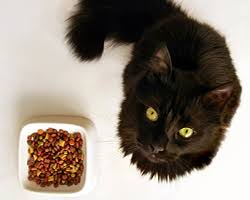
Feeding your cat the right amount of food each day is one of the most important aspects of responsible pet ownership. Too little food can lead to malnutrition and health problems, while too much can cause obesity, diabetes, joint issues, and a shorter lifespan. But how much cat food per day is actually appropriate?
The answer depends on several factors, including your cat’s age, weight, activity level, health status, and the type of food you’re offering. This comprehensive guide will walk you through everything you need to know so you can confidently determine the right daily feeding amount for your feline companion.
Why Proper Portion Control Matters
Many cat owners rely on guesswork when it comes to feeding. A full bowl left out all day or generous portions at each meal may seem harmless, but it can have long-term consequences.
Overfeeding is one of the leading causes of obesity in domestic cats. Obesity increases the risk of:
- Diabetes
- Heart disease
- Arthritis
- Liver problems
- Reduced life expectancy
Underfeeding, on the other hand, can result in:
- Nutritional deficiencies
- Muscle loss
- Weak immune function
- Poor coat quality
- Low energy levels
Finding the correct daily portion ensures your cat maintains a healthy body condition and enjoys a long, active life.
Key Factors That Determine How Much Cat Food Per Day
There is no universal feeding amount that works for every cat. You must consider several important factors.
1. Age
Cats have different nutritional needs at various life stages.
Kittens (0–12 months)
Kittens grow rapidly and require more calories per pound of body weight than adult cats. They need:
- Higher protein
- Higher fat
- More frequent meals
Most kittens need to eat 3–4 times per day. Their total daily intake is significantly higher relative to their size.
Adult Cats (1–7 years)
Adult cats require balanced nutrition to maintain weight and health. Their calorie needs stabilize, and most do well with two meals per day.
Senior Cats (7+ years)
Senior cats may:
- Become less active
- Develop health issues
- Lose muscle mass
Some seniors require fewer calories due to reduced activity, while others need more nutrient-dense food if they are losing weight.
2. Weight and Body Condition
A cat’s weight is one of the biggest determinants of how much food they need.
An average indoor adult cat weighing 8–10 pounds typically requires between 200 and 250 calories per day. However, this varies based on metabolism and activity.
Rather than focusing only on weight, evaluate body condition:
- You should be able to feel ribs without pressing hard.
- The cat should have a visible waist when viewed from above.
- The abdomen should tuck up slightly when viewed from the side.
If your cat is overweight, daily portions should be adjusted gradually under veterinary guidance.
3. Activity Level
An active outdoor cat burns more calories than an indoor cat who spends most of the day sleeping.
Active cats may require:
- 10–20% more calories
- Higher protein intake
Sedentary indoor cats typically need fewer calories to avoid weight gain.
4. Spayed or Neutered Status
Spaying or neutering reduces a cat’s metabolic rate. After surgery, many cats:
- Burn fewer calories
- Experience increased appetite
Because of this, they may require about 20–30% fewer calories than intact cats to maintain the same weight.
5. Health Conditions
Certain medical conditions significantly affect feeding amounts.
- Diabetic cats may require controlled feeding schedules.
- Cats with kidney disease often need special diets.
- Hyperthyroid cats may require increased calories.
Always consult a veterinarian if your cat has a medical condition before adjusting feeding amounts.
How Many Calories Does Your Cat Need Per Day?
Understanding caloric needs is essential for determining portion sizes.
A general guideline for adult cats:
- 20 calories per pound of body weight for weight maintenance.
- 15 calories per pound for weight loss.
- 25 calories per pound for highly active cats.
For example:
A 10-pound indoor cat typically needs around 200 calories per day.
However, these are estimates. Individual metabolism can vary significantly.
How Much Dry Cat Food Per Day?
Dry cat food (kibble) is calorie-dense. Most dry foods contain between 350 and 500 calories per cup.
For a 10-pound adult cat needing 200 calories per day:
- If the kibble contains 400 calories per cup, your cat would need about 1/2 cup per day.
This amount should be split into two meals.
Important: Always check the feeding guidelines on the specific food packaging. Different brands vary widely in caloric density.
Pros of Dry Food
- Convenient
- Long shelf life
- Can help with dental scraping
- Easy to measure
Cons of Dry Food
- Low moisture content
- Easy to overfeed
- Often higher in carbohydrates
How Much Wet Cat Food Per Day?
Wet food contains significantly more moisture and typically fewer calories per ounce than dry food.
A standard 3-ounce can of wet food often contains 70–100 calories.
For a 10-pound cat needing 200 calories per day:
- If each 3-ounce can contains 80 calories, your cat would need about 2.5 cans per day.
This can be divided into two or three meals.
Pros of Wet Food
- High moisture content (good for urinary health)
- Lower carbohydrate levels
- Often more palatable
Cons of Wet Food
- More expensive
- Shorter shelf life once opened
- Less convenient for free-feeding
Feeding a Combination of Wet and Dry Food
Many owners choose to feed both wet and dry food. In this case, you must calculate total calories from both sources.
For example:
If your cat needs 200 calories per day:
- 100 calories from wet food
- 100 calories from dry food
You would adjust the portion sizes of each accordingly based on calorie content.
Always calculate total daily caloric intake to avoid overfeeding.
Feeding Guidelines by Life Stage
How Much to Feed a Kitten
Kittens require more calories per pound due to rapid growth.
General guideline:
- 25–35 calories per pound of body weight per day
Young kittens (under 6 months) should eat 3–4 meals daily. As they approach 1 year of age, you can gradually transition to twice-daily feeding.
How Much to Feed an Adult Cat
Most adult cats do well with:
- 200–250 calories per day (depending on size and activity)
Feed twice daily to help regulate appetite and maintain routine.
How Much to Feed a Senior Cat
Senior cats vary widely. Monitor:
- Weight changes
- Muscle mass
- Appetite
- Activity level
Some seniors may need calorie reduction, while others need increased nutrient density.
How Often Should You Feed Your Cat?
The amount per day is important, but so is feeding frequency.
Most adult cats do well with:
- Two meals per day, about 12 hours apart
Kittens may require:
- Three to four meals daily
Some owners prefer free-feeding (leaving dry food out all day), but this can lead to overeating and weight gain.
Scheduled feeding helps:
- Control portions
- Monitor appetite
- Detect health problems early
Signs You’re Feeding the Wrong Amount
Watch for these warning signs.
Signs of Overfeeding
- Noticeable weight gain
- Difficulty grooming
- Decreased activity
- Excess fat around abdomen
Signs of Underfeeding
- Prominent ribs and spine
- Low energy
- Constant hunger behaviors
- Dull coat
Adjust portions gradually and monitor weight over several weeks.
Treats and Extras: Do They Count?
Yes, absolutely.
Treats should make up no more than 10% of your cat’s daily caloric intake.
For a 200-calorie diet:
- No more than 20 calories should come from treats.
Human food scraps should be avoided unless approved by a veterinarian.
How to Accurately Measure Cat Food
Eyeballing portions often leads to overfeeding.
Use:
- A proper measuring cup for dry food
- A kitchen scale for precise measurement
- Label calorie information on packaging
Small daily overestimations can add up to significant weight gain over time.
Transitioning to a New Feeding Amount
If you need to adjust your cat’s daily intake:
- Change portions gradually over 7–10 days
- Monitor weight weekly
- Avoid sudden drastic reductions
Rapid calorie restriction can cause serious health issues, including fatty liver disease.
Special Considerations for Indoor Cats
Indoor cats are typically less active and more prone to obesity.
Tips for indoor cats:
- Use puzzle feeders
- Encourage play sessions
- Avoid free-feeding
- Measure food carefully
Portion control is especially important for indoor-only cats.
When to Consult a Veterinarian
You should speak with a veterinarian if:
- Your cat is gaining or losing weight unexpectedly
- Appetite suddenly changes
- Your cat has chronic illness
- You are unsure about proper calorie calculations
A vet can calculate precise caloric needs and recommend a suitable diet.
Quick Daily Feeding Reference Guide
Here is a simplified reference chart for average indoor adult cats:
- 5-pound cat: 100–150 calories per day
- 8-pound cat: 160–200 calories per day
- 10-pound cat: 200–250 calories per day
- 12-pound cat: 240–300 calories per day
Always verify with your specific food’s calorie information.
Final Thoughts: Finding the Right Balance
So, how much cat food per day is right?
The honest answer is: it depends on your individual cat.
Consider:
- Age
- Weight
- Activity level
- Health
- Type of food
- Spay/neuter status
Most average indoor adult cats need about 200–250 calories daily, but the exact portion depends on the caloric density of the food you’re feeding.
The best approach is:
- Calculate daily calorie needs.
- Check the calorie content of your cat’s food.
- Measure portions accurately.
- Monitor weight and body condition.
- Adjust gradually when needed.
Feeding your cat the correct amount isn’t just about filling a bowl. It’s about supporting lifelong health, preventing disease, and ensuring your feline companion thrives.
By paying attention to portion sizes and your cat’s individual needs, you can confidently answer the question: how much cat food per day is just right.