
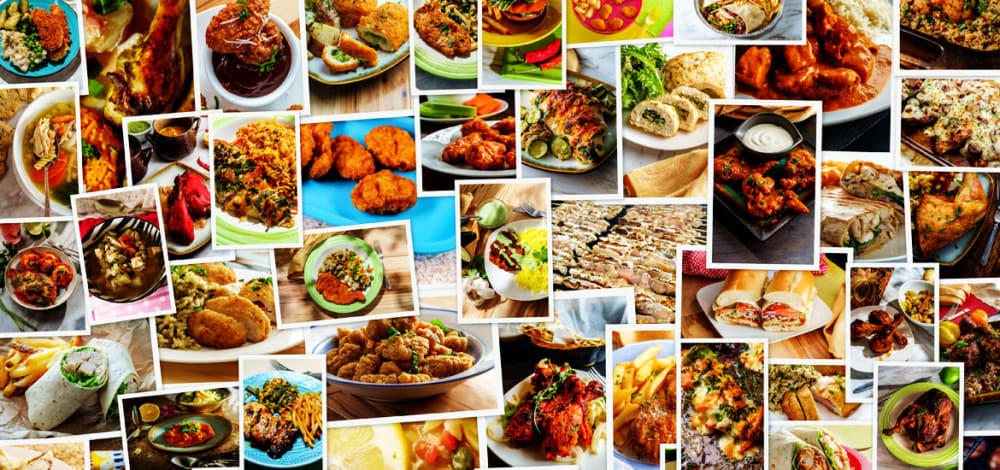
Food is one of the few universal languages shared by every culture on Earth. While people may speak different languages, follow different traditions, and live in vastly different climates, everyone eats. This universality naturally leads to a fascinating and surprisingly complex question: what is the most popular food in the world?
At first glance, the answer may seem obvious. Many people immediately think of pizza, burgers, or rice. Others might argue for noodles, bread, or even street foods enjoyed daily by billions. The truth is that popularity can be measured in many ways—global consumption, cultural reach, adaptability, emotional attachment, or economic impact. To truly understand the question, we must explore these different dimensions.
This in-depth guide examines the contenders, the criteria for popularity, and the cultural forces that shape what the world eats. By the end, you will have a clear and well-reasoned answer to one of the most debated questions in global cuisine.
How Do We Define “Most Popular Food”?
Before naming any dish, it is important to define what popular actually means. Popularity is not a single metric but a combination of several factors.
Global Consumption
One of the strongest indicators of popularity is how many people eat a food regularly. Staple foods consumed daily by billions naturally rank very high.
Geographic Reach
A popular food is eaten not just in one country or region, but across continents. The more cultures that adopt and adapt a dish, the stronger its claim to global popularity.
Cultural Influence
Some foods become symbols of modern life, globalization, or shared experiences. They appear in movies, advertising, social media, and celebrations worldwide.
Adaptability and Variety
Foods that can be customized to local tastes tend to spread more easily. A dish that works with many ingredients and cooking styles often becomes globally accepted.
Economic Impact
Foods with massive industries behind them—restaurants, agriculture, exports, and supply chains—also indicate popularity at scale.
With these criteria in mind, let us explore the leading contenders.
Rice: The World’s Most Consumed Food
When discussing sheer numbers, rice stands as one of the strongest candidates for the most popular food in the world.
A Global Staple
Rice is a daily food for more than half of the world’s population. It is deeply rooted in the cuisines of Asia, Africa, and parts of Latin America. From steamed rice bowls to fried rice, rice porridges, and rice-based desserts, its versatility is unmatched.
In countries like China, India, Japan, and Indonesia, rice is more than food—it is culture, tradition, and identity.
Why Rice Is So Popular
Rice is affordable, easy to store, and adaptable to countless cooking methods. It pairs well with vegetables, meat, seafood, and spices, making it suitable for almost every dietary pattern.
From biryani and paella to sushi and jollof rice, this grain appears in iconic dishes across continents.
Limitations as “Most Popular Food”
Despite its massive consumption, rice is often seen as an ingredient rather than a complete dish. This distinction matters when people think about popularity in terms of named foods rather than staples.
Bread: Humanity’s Oldest Companion
Bread is another ancient and widely consumed food with a strong claim to global popularity.
A Universal Food
Nearly every culture has some form of bread. Flatbreads, loaves, rolls, and unleavened breads have existed for thousands of years. Wheat-based breads dominate in Europe and the Middle East, while corn and other grains are used elsewhere.
In countries like France, Germany, and Turkey, bread is central to daily life.
Cultural and Symbolic Importance
Bread often symbolizes nourishment, community, and survival. Expressions like “breaking bread together” reflect its deep social meaning.
Why Bread Rarely Wins the Debate
Like rice, bread is a foundational food rather than a distinct dish. People often think of it as part of a meal, not the meal itself.
Noodles and Pasta: A Global Comfort Food
Noodles, including pasta, represent one of the most beloved and widespread food categories in the world.
From Asia to Europe
Noodles originated in Asia but evolved into countless forms worldwide. Italian pasta, Chinese wheat noodles, rice noodles, ramen, and instant noodles all fall into this category.
Countries such as Italy and China have elevated noodles to an art form.
The Rise of Instant Noodles
Instant noodles deserve special mention. They are consumed by billions every year due to their affordability, long shelf life, and ease of preparation. For students, workers, and travelers, instant noodles are a global constant.
Popular but Fragmented
While noodles are incredibly popular, they exist in so many forms that no single noodle dish dominates globally in the way pizza does.
Burgers: A Symbol of Modern Fast Food
The hamburger is one of the most recognizable foods in the world.
Global Reach
Originally associated with the United States, burgers have spread to nearly every country. From gourmet restaurants to roadside stalls, burgers are everywhere.
Fast-food chains have played a major role in this expansion, making burgers accessible and familiar worldwide.
Why Burgers Matter
Burgers represent convenience, modern lifestyles, and globalization. They are customizable, quick to prepare, and widely loved.
The Cultural Limitation
Despite their popularity, burgers are not universally accepted in all cultures, particularly where dietary restrictions or traditional eating habits dominate.
Pizza: The Strongest Contender
When all factors are considered—recognition, consumption, cultural influence, and adaptability—pizza emerges as the most popular food in the world.
A Dish with Global Recognition
Pizza is known and loved in almost every country. Whether you are in Europe, Asia, Africa, or the Americas, the word “pizza” is instantly understood.
Originally from Italy, pizza has evolved far beyond its roots while still maintaining its core identity.
Why Pizza Became Globally Dominant
Pizza succeeds where many foods do not because it balances simplicity and flexibility. A basic pizza requires only dough, sauce, and cheese, but the topping possibilities are endless.
This adaptability allows pizza to reflect local tastes:
- Spicy toppings in South Asia
- Seafood variations in coastal regions
- Vegetarian versions in cultures with plant-based traditions
- Meat-heavy styles in regions with high protein consumption
Economic and Cultural Power
Pizza is at the center of a massive global industry. It is sold in fine-dining restaurants, fast-food chains, street stalls, and home kitchens. Frozen pizzas, delivery services, and digital ordering platforms have further expanded its reach.
Pizza is also deeply embedded in popular culture. It appears in movies, television shows, social media trends, and family celebrations. It is equally associated with casual nights, parties, and comfort eating.
Emotional Connection
Unlike staple foods that are eaten out of necessity, pizza is often eaten by choice. It is associated with pleasure, sharing, and enjoyment, which strengthens its emotional appeal.
Street Food and Informal Eating
Street food plays a massive role in global food popularity, even if no single street food item dominates worldwide.
Regional Favorites
From tacos and shawarma to samosas and grilled skewers, street foods are often the most frequently eaten meals in many countries.
Cities like Bangkok and Mexico City are famous for their vibrant street food cultures.
Why Street Food Is Hard to Rank Globally
Street foods are deeply local. Their popularity is intense but geographically limited, which makes it difficult for any single item to claim global dominance.
The Role of Globalization
Globalization has transformed how food spreads and gains popularity.
Travel and Migration
As people move across borders, they bring their food with them. Immigrant communities introduce traditional dishes that often become mainstream over time.
Media and Technology
Food blogs, cooking shows, and social media platforms have exposed people to cuisines they might never experience otherwise. Viral food trends can rapidly boost a dish’s popularity worldwide.
Fast-Food Expansion
International restaurant chains standardize certain foods, making them recognizable and accessible across cultures. Pizza has benefited more from this than almost any other dish.
So, What Is the Most Popular Food in the World?
When measured by daily consumption, rice is unmatched. When measured by historical importance, bread stands strong. When measured by variety and comfort, noodles and pasta excel.
However, when all factors are combined—global recognition, cultural presence, adaptability, emotional connection, and economic influence—pizza stands as the most popular food in the world.
Pizza is not eaten out of necessity but out of desire. It crosses cultural, religious, and economic boundaries with ease. It is equally at home in a small local café or a global restaurant chain. No matter where you go, pizza feels familiar.
Final Thoughts
The question of the most popular food in the world reveals more than just eating habits—it reflects how cultures connect, adapt, and share. Food is history, identity, and innovation on a plate.
While rice may feed the world and bread may sustain civilizations, pizza captures the spirit of global food culture in the modern era. Its universal appeal, flexibility, and emotional resonance make it the strongest answer to a question that will continue to inspire debate for generations.
In the end, the most popular food in the world is not just about numbers. It is about connection—and few foods connect people across borders as powerfully as pizza.