
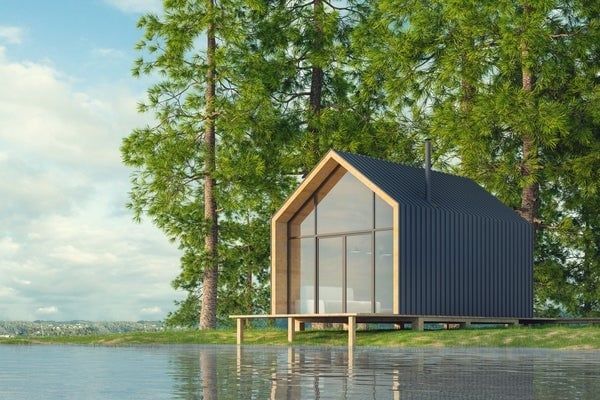
The tiny house movement has grown rapidly over the past decade, driven by rising housing costs, minimalist lifestyles, and a desire for financial freedom. But one of the biggest questions aspiring tiny homeowners ask is: what states allow you to have a tiny home?
The answer is not as simple as listing a few states. Tiny home legality varies widely depending on state laws, county zoning rules, and city building codes. Some states openly welcome tiny homes, while others impose strict regulations that make tiny living difficult.
This comprehensive guide explains which states allow tiny homes, how laws differ across the U.S., and what you should know before placing or building a tiny house.
Understanding Tiny Home Laws in the United States
Tiny homes are not illegal in most states—but they are often restricted by zoning and building codes rather than state law itself.
What Is Considered a Tiny Home?
A tiny home is typically defined as:
- A dwelling under 400 square feet
- Either on wheels (THOW) or on a permanent foundation
- Used as a primary residence, accessory dwelling unit (ADU), or mobile home alternative
- Minimum square footage
- Permanent foundation requirements
- Utility connections
- Zoning classification
Tiny Homes on Wheels vs. Tiny Homes on Foundations
Understanding the distinction is critical.
Tiny Homes on Wheels (THOWs)
- Often classified as RVs
- Usually restricted from permanent residence
- Allowed in RV parks or designated zones
Tiny Homes on Foundations
- More likely to be legally permitted
- Must meet residential building codes
- Easier to insure and finance
States That Are Most Friendly to Tiny Homes
While local laws still apply, the following states are widely recognized as tiny house–friendly.
California
California is one of the most progressive states for tiny homes.
Why California Works
- ADU laws allow small dwellings in residential areas
- Some cities allow tiny homes as permanent residences
- Strong support for housing alternatives
Texas
Texas is one of the best states for tiny home living due to minimal regulation.
What Makes Texas Friendly
- Counties often have relaxed zoning
- Tiny homes on foundations are permitted in many areas
- Several tiny home communities exist statewide
Florida
Florida allows tiny homes but regulates them differently depending on location.
Florida Tiny Home Rules
- Tiny homes are legal if they meet building codes
- Some cities allow tiny homes in designated communities
- RV-style tiny homes are allowed in specific zones
Colorado
Colorado embraces alternative housing and sustainability.
Colorado Advantages
- Tiny homes allowed on permanent foundations
- Strong ADU support in cities like Denver
- Tiny house communities exist statewide
Oregon
Oregon is one of the most tiny-home-friendly states in the country.
Why Oregon Is Ideal
- Allows tiny homes as primary residences
- THOWs permitted in RV parks and some residential zones
- Portland allows tiny homes as ADUs
North Carolina
North Carolina has flexible building codes for tiny homes.
Key Benefits
- State residential code includes tiny home provisions
- Rural counties allow small dwellings
- Foundation-based tiny homes are widely accepted
Arizona
Arizona supports tiny living, especially in rural regions.
Arizona Highlights
- Counties like Pima allow tiny homes
- Minimal restrictions outside city limits
- Dry climate reduces construction concerns
States Where Tiny Homes Are Conditionally Allowed
Some states allow tiny homes only under specific conditions.
Washington
Washington allows tiny homes but enforces strict zoning.
- Tiny homes must meet building codes
- THOWs treated as RVs
- ADUs widely permitted in urban areas
New York
New York allows tiny homes with restrictions.
- Foundation-based tiny homes are legal
- Minimum size rules vary by city
- THOWs face residency limitations
Virginia
Virginia allows tiny homes on foundations.
- Must meet residential building codes
- Zoning varies widely by county
- ADUs allowed in many cities
Tennessee
Tennessee is mixed in tiny home acceptance.
- Some counties welcome tiny homes
- Others require minimum square footage
- Foundation homes are easier to permit
States That Are More Restrictive
Some states make tiny home living more challenging.
New Jersey
- Strict zoning laws
- High minimum square footage requirements
- Tiny homes often classified as non-compliant dwellings
Hawaii
- Tiny homes allowed only in certain zones
- Strong building code enforcement
- Land availability is limited
Connecticut
- Minimum dwelling size requirements
- Limited acceptance of THOWs
- Zoning hurdles in residential areas
Why Local Zoning Matters More Than State Law
Even in tiny-home-friendly states, local city and county laws control what you can build.
Key zoning factors include:
- Minimum dwelling size
- Lot size requirements
- Foundation rules
- Utility hookups
- Occupancy restrictions
Tiny Homes as Accessory Dwelling Units (ADUs)
Many states allow tiny homes when classified as ADUs.
Benefits of ADU Classification
- Easier approval
- Legal utility connections
- Allowed in residential neighborhoods
Tiny Home Communities and Parks
Some states allow tiny homes only in designated communities.
Common Community States
- Texas
- Florida
- Oregon
- Arizona
- Colorado
- Legal zoning
- Shared utilities
- HOA-style regulations
Can You Live Full-Time in a Tiny Home?
Yes—but only where local laws allow permanent occupancy.
Full-Time Residency Factors
- Permanent foundation
- Code compliance
- Proper zoning
- Utility access
- RV parks
- Temporary stays
- Seasonal use
Financing and Insurance Considerations
Legal acceptance impacts your ability to:
- Get a mortgage
- Obtain insurance
- Connect utilities
- Sell the property later
How to Check If a State Allows Tiny Homes
Follow these steps:
- Check state building code
- Review county zoning ordinances
- Contact local planning departments
- Ask about ADU regulations
- Verify minimum dwelling size
Best States Overall for Tiny Home Living
Based on legality, flexibility, and infrastructure:
- Oregon
- Texas
- California
- Colorado
- Florida
- Arizona
- North Carolina
Final Thoughts: What States Can You Have a Tiny Home In?
So, what states are you have a tiny home on? The truth is—you can have a tiny home in most U.S. states, but legality depends heavily on local zoning, foundation type, and compliance with building codes.
If you’re serious about tiny living, focus less on the state name and more on:
- County regulations
- City zoning laws
- ADU allowances
- Foundation requirements