
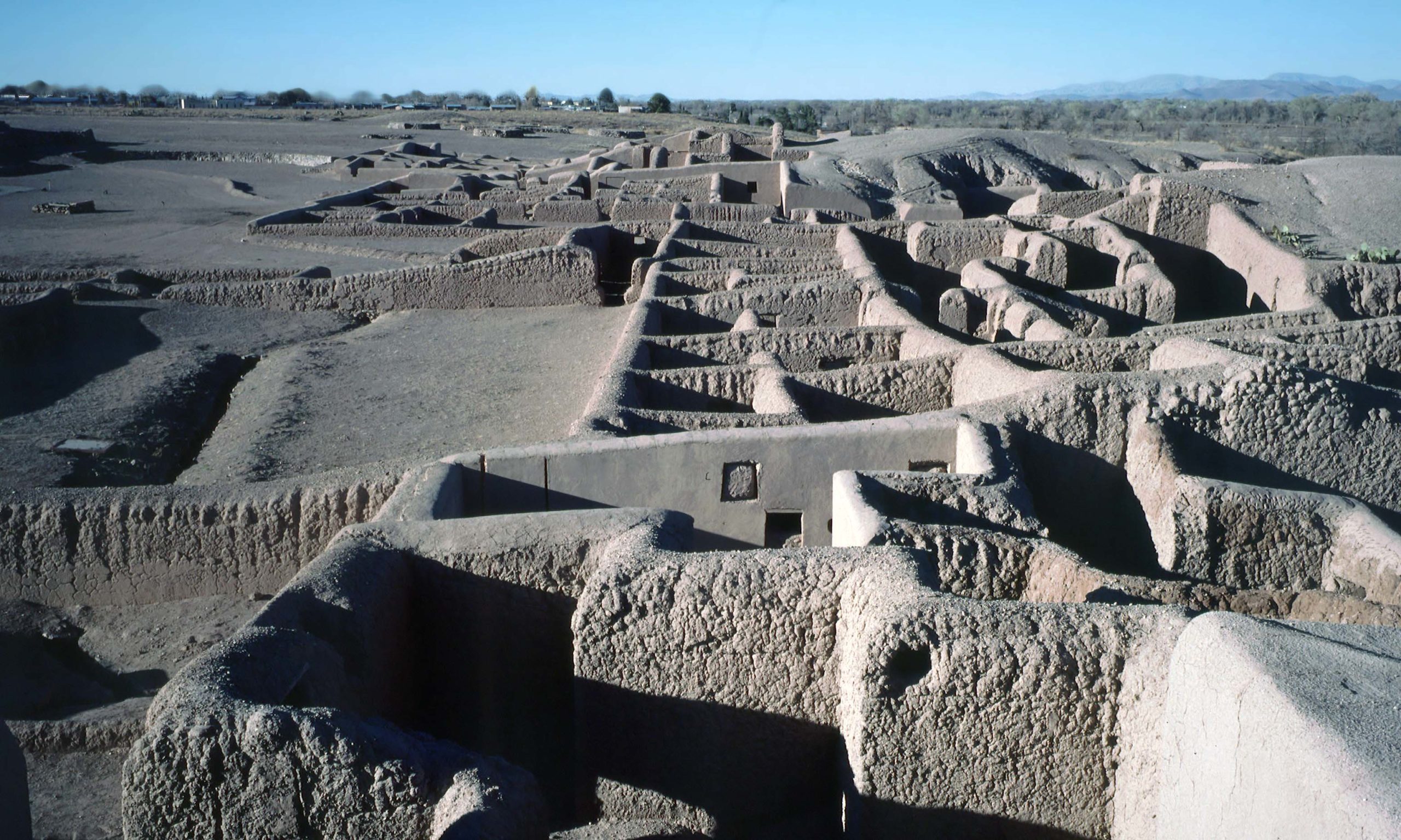
The Jornada tribe, also known as the Jornada Mogollon, lived in the desert regions of what is now southern New Mexico, western Texas, and parts of northern Mexico. Their environment was dry, rugged, and often unforgiving, yet the Jornada people developed housing that allowed them to survive and thrive in these challenging conditions. A common question asked by students and history enthusiasts alike is: what type of home did the Jornada tribe live in?
The Jornada primarily lived in pit houses and later surface dwellings constructed from earth, wood, and stone. These homes were carefully designed to regulate temperature, conserve resources, and protect inhabitants from the harsh desert climate. This article explores the structure, materials, cultural importance, and evolution of Jornada housing, offering a comprehensive understanding of how their homes supported daily life.
Who Were the Jornada People?
Understanding Jornada housing begins with understanding who the Jornada people were.
The Jornada Mogollon were part of the broader Mogollon cultural tradition, one of the major prehistoric cultures of the American Southwest. They lived in semi-permanent villages and practiced a combination of farming, hunting, and gathering.
Lifestyle and Settlement Patterns
Unlike fully nomadic tribes, the Jornada people lived in seasonal or semi-permanent settlements. This allowed them to farm crops such as corn, beans, and squash while still moving occasionally to access additional resources.
Their housing needed to be durable yet adaptable.
Environmental Conditions That Shaped Jornada Homes
The Jornada region was characterized by:
- Hot summers
- Cold desert nights
- Limited rainfall
- Sparse vegetation
Importance of Thermal Regulation
Jornada homes were designed to:
- Stay cool during the day
- Retain warmth at night
- Withstand strong desert winds
The Primary Type of Home the Jornada Tribe Lived In
The most common traditional home of the Jornada tribe was the pit house.
What Is a Pit House?
A pit house is a dwelling that is:
- Dug partially into the ground
- Framed with wooden posts
- Covered with earth and plant materials
Pit Houses: The Core of Jornada Housing
Pit houses were the foundation of Jornada settlements for centuries.
Construction of a Pit House
The building process typically involved:
- Digging a shallow pit into the ground
- Placing wooden support posts
- Creating a roof frame using logs or branches
- Covering the roof with grass, brush, and earth
Size and Interior Layout
- Usually circular or oval
- Single-room structures
- Central hearth for cooking and warmth
- Storage pits for food and tools
Why Pit Houses Were Ideal for Desert Life
Pit houses offered several advantages:
- Earth insulation regulated temperature
- Protection from strong winds
- Reduced visibility from a distance
- Required fewer building materials
Above-Ground Surface Dwellings
Over time, the Jornada people began constructing surface-level homes, particularly as villages became more permanent.
Structure of Surface Dwellings
- Built with stone, adobe, or packed earth
- Rectangular or circular shapes
- Flat or gently sloped roofs
Materials Used in Jornada Homes
The Jornada tribe relied on materials found in their desert environment.
Common Building Materials
- Adobe (mud mixed with straw or grass)
- Stone for walls and foundations
- Wooden beams from nearby trees
- Brush and grass for roofing
Village Layout and Community Design
Jornada villages were carefully planned.
Village Characteristics
- Homes grouped together for protection
- Shared outdoor spaces
- Central areas for ceremonies and gatherings
Seasonal Use of Jornada Homes
While many Jornada settlements were semi-permanent, seasonal movement still occurred.
Summer Living
- Homes provided shade and airflow
- Outdoor activities increased
Winter Living
- Pit houses offered warmth
- Hearths were used more frequently
Cultural Significance of Jornada Homes
Jornada dwellings reflected cultural values beyond basic shelter.
Family and Social Structure
- Homes typically housed extended families
- Shared responsibilities within the household
Spiritual Connection
- Hearths held symbolic importance
- Homes were considered sacred family spaces
How Jornada Homes Compared to Other Southwestern Tribes
Compared to Ancestral Puebloans
- Puebloans built multi-story stone structures
- Jornada homes were simpler and lower
Compared to Hohokam Homes
- Hohokam used canal-based farming
- Jornada relied more on rainfall and storage
Archaeological Evidence of Jornada Housing
Archaeologists have learned much about Jornada homes through excavation.
What Archaeologists Discover
- Pit house outlines
- Hearth remains
- Storage pits
- Tools and pottery fragments
Transition and Decline of Traditional Jornada Housing
European contact and environmental changes led to the decline of traditional housing styles.
- Population decline due to disease
- Cultural displacement
- Adoption of new building methods
Lessons from Jornada Housing Design
Modern builders and historians learn valuable lessons from Jornada homes:
- Passive temperature control
- Sustainable material use
- Efficient space utilization
Legacy of Jornada Tribe Housing
The Jornada people’s housing reflects resilience and ingenuity.
Why Their Homes Matter Today
- Represent early Southwestern architecture
- Show adaptability to extreme environments
- Preserve cultural history
Final Thoughts: What Type of Home Did the Jornada Tribe Live In?
So, what type of home did the Jornada tribe live in?
The Jornada primarily lived in pit houses, later transitioning to above-ground surface dwellings made from adobe, stone, and wood. These homes were specifically designed to withstand desert conditions, offering insulation, protection, and efficiency.
The Jornada tribe’s housing stands as a testament to human adaptability, demonstrating how thoughtful design and environmental awareness can create lasting solutions even in the harshest landscapes.