
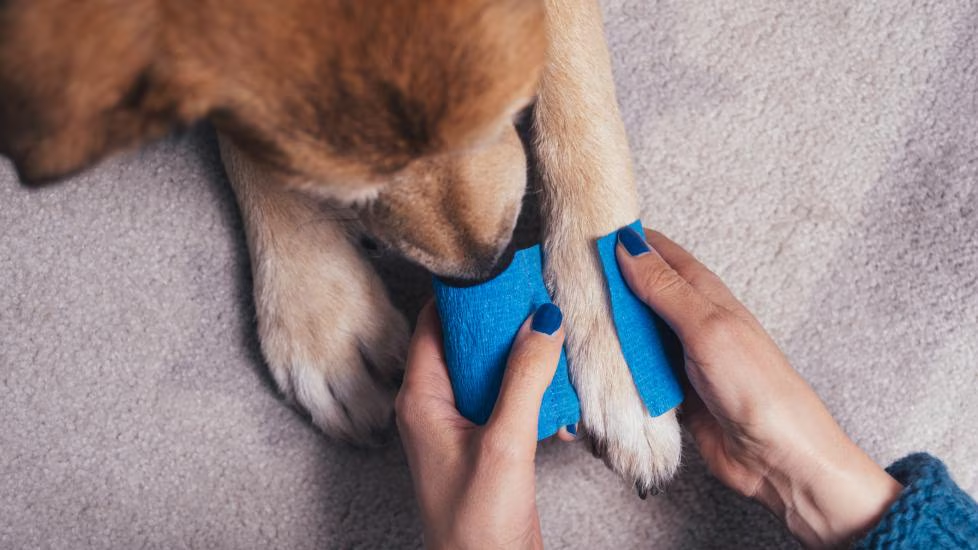
Dogs are curious, energetic, and often fearless—which means minor cuts, scrapes, and wounds are almost inevitable. Whether your dog got a small scratch while playing, a cut from rough terrain, or a minor injury during outdoor adventures, knowing how to heal a dog wound fast at home can help prevent infection and speed recovery.
While serious wounds always require veterinary care, many minor dog wounds can be safely treated at home with proper cleaning, care, and monitoring. This comprehensive guide explains when home treatment is appropriate, step-by-step wound care instructions, natural remedies, and signs that indicate you should see a vet.
Understanding Dog Wounds
Before treating a wound, it’s important to understand the type and severity.
Common Types of Dog Wounds
- Minor cuts and scrapes
- Small puncture wounds
- Abrasions
- Shallow lacerations
- Hot spots caused by licking or scratching
Wounds That Should NOT Be Treated at Home
Seek veterinary care immediately if your dog has:
- Deep or gaping wounds
- Heavy bleeding that won’t stop
- Bite wounds from other animals
- Signs of infection (pus, swelling, fever)
- Wounds exposing muscle or bone
- Injuries near the eyes or genitals
First Things First: Stay Calm and Keep Your Dog Still
Dogs can sense stress. Staying calm helps prevent your dog from panicking or resisting care.
Tips to Keep Your Dog Calm
- Speak softly and reassuringly
- Have treats ready
- Use a muzzle if necessary (even gentle dogs may bite when in pain)
- Ask someone to help hold your dog if needed
Step-by-Step Guide to Healing a Dog Wound Fast at Home
Following the right steps is crucial for fast healing.
Step 1: Examine the Wound Carefully
Before cleaning, assess the injury.
Look for:
- Depth of the wound
- Amount of bleeding
- Presence of debris
- Swelling or redness
Step 2: Stop the Bleeding
For minor bleeding:
- Apply gentle pressure with a clean cloth or sterile gauze
- Hold pressure for 5–10 minutes
- Avoid checking too frequently, as this can disrupt clotting
Step 3: Trim the Fur Around the Wound
Hair can trap bacteria and interfere with healing.
How to Trim Safely
- Use blunt-tipped scissors or electric clippers
- Trim at least ½ to 1 inch around the wound
- Avoid pulling or tugging on the skin
Step 4: Clean the Wound Thoroughly
Cleaning is the most important step in fast wound healing.
What to Use for Cleaning
- Saline solution (preferred)
- Clean water if saline is unavailable
- Diluted antiseptic solution recommended for pets
What NOT to Use
- Hydrogen peroxide (delays healing)
- Alcohol
- Iodine (unless properly diluted)
Cleaning Process
- Gently flush the wound to remove dirt and debris
- Use a syringe or clean squeeze bottle
- Pat dry with sterile gauze
Step 5: Apply a Pet-Safe Antibacterial Treatment
Once the wound is clean, apply a thin layer of a dog-safe antibacterial product.
Common Options
- Veterinary-recommended antibiotic ointments
- Pet-safe wound sprays
- Natural remedies approved for dogs
Step 6: Protect the Wound
Dogs instinctively lick wounds, which can slow healing and cause infection.
How to Prevent Licking
- Use an Elizabethan collar (cone)
- Cover with a breathable bandage if appropriate
- Monitor your dog closely
Natural Remedies That Can Help Heal Dog Wounds Faster
Some natural remedies can support healing when used correctly.
Aloe Vera
- Soothes inflammation
- Helps minor skin irritation
- Use pure, dog-safe aloe only
Coconut Oil
- Mild antibacterial properties
- Helps keep skin moisturized
- Apply sparingly
Calendula
- Known for wound-healing properties
- Often used in pet-safe sprays or creams
How Long Does It Take for a Dog Wound to Heal?
Healing time depends on wound severity and care.
Typical Healing Timeline
- Minor scrapes: 3–7 days
- Small cuts: 7–10 days
- Hot spots: 1–2 weeks
Signs the Wound Is Healing Properly
Positive healing signs include:
- Reduced redness
- No discharge
- Formation of healthy scab
- Decreased sensitivity
- Dog showing normal behavior
Signs of Infection to Watch For
Even minor wounds can become infected.
Warning Signs
- Swelling or increasing redness
- Warmth around the wound
- Pus or foul-smelling discharge
- Excessive licking
- Fever or lethargy
How to Heal a Dog Wound Fast Without Bandaging
Some wounds heal better when exposed to air.
When to Avoid Bandages
- Small surface wounds
- Areas with good airflow
- When bandaging causes irritation
Special Considerations for Different Wound Locations
Paw Wounds
Paws heal slower due to constant use.
Tips:
- Keep paws clean and dry
- Limit outdoor activity
- Use protective booties if needed
Ear Wounds
Ears bleed heavily and require extra care.
Tips:
- Apply gentle pressure
- Prevent head shaking
- Seek vet care if bleeding persists
Belly and Chest Wounds
These areas are prone to contamination.
Tips:
- Keep your dog indoors during healing
- Use cones to prevent licking
Preventing Future Wounds
Prevention reduces the need for treatment.
Safety Tips
- Inspect play areas for sharp objects
- Trim nails regularly
- Keep up with flea and tick prevention
- Supervise interactions with other animals
Creating a Dog First Aid Kit for Home Care
Being prepared saves time.
Essential Items
- Sterile gauze
- Saline solution
- Pet-safe antiseptic
- Bandage wraps
- Blunt scissors
- Elizabethan collar
When Home Treatment Is Not Enough
Home care is helpful, but never replace professional treatment when needed.
Seek veterinary care if:
- Healing does not improve in 48 hours
- Wound worsens
- Dog shows pain or behavioral changes
- You’re unsure about wound severity
Common Mistakes to Avoid
- Using human medications without approval
- Letting your dog lick the wound
- Skipping daily cleaning
- Ignoring signs of infection
- Removing scabs prematurely
Final Thoughts: How to Heal a Dog Wound Fast at Home
Knowing how to heal a dog wound fast at home empowers pet owners to handle minor injuries safely and confidently. With proper cleaning, pet-safe treatments, and consistent monitoring, most small wounds heal quickly without complications.
However, always trust your instincts—if a wound looks serious or healing stalls, veterinary care is the safest option. A little attention, patience, and preparation go a long way in keeping your dog healthy, comfortable, and happy.