
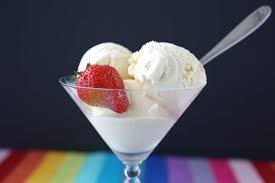
Frozen desserts are loved around the world, but two of the most commonly confused treats are custard and ice cream. At first glance, they look similar—both are creamy, cold, and often served with similar flavors and toppings. Yet, from their ingredients and texture to how they are made and even how they taste, custard and ice cream are quite different.
This in-depth guide explores what truly separates custard from ice cream, breaking down their composition, preparation methods, legal definitions, mouthfeel, nutritional profiles, and cultural significance. By the end, you’ll not only know the difference—you’ll know which one suits your taste best.
A Quick Overview of Custard and Ice Cream
Before diving deep, it helps to understand the basic idea behind each dessert.
Ice cream is a frozen dairy dessert made primarily from milk, cream, sugar, and flavorings, churned while freezing to incorporate air.
Custard, in the frozen dessert sense, is similar but includes a significant amount of egg yolk, which dramatically changes its texture, richness, and flavor.
This one ingredient—egg yolk—is at the heart of nearly every difference between the two.
Ingredients: The Foundation of the Difference
Core Ingredients in Ice Cream
Traditional ice cream relies on a relatively simple ingredient list:
- Milk
- Cream
- Sugar
- Flavorings (vanilla, chocolate, fruit, etc.)
- Optional stabilizers or emulsifiers
Notably, eggs are optional in ice cream. Many commercial and homemade ice creams contain no eggs at all, relying instead on cream and stabilizers to achieve smoothness.
Core Ingredients in Custard
Custard, by contrast, must contain egg yolks. Typical ingredients include:
- Milk
- Cream
- Sugar
- Egg yolks
- Flavorings
The egg yolks act as natural emulsifiers and thickeners, giving custard its signature dense and silky texture.
Why Egg Yolks Matter
Egg yolks contain lecithin and proteins that bind fat and water together. When heated and churned correctly, they:
- Increase creaminess
- Reduce ice crystal formation
- Add richness and depth of flavor
- Create a smoother, heavier mouthfeel
This single difference has a ripple effect through every aspect of the final dessert.
Legal and Technical Definitions
In some countries, especially the United States, frozen desserts are defined by specific standards.
Ice Cream Standards
Ice cream typically must meet minimum requirements for:
- Milk fat content (often around 10%)
- Total milk solids
- Air incorporation (overrun)
There is no minimum egg requirement for ice cream.
Custard (Frozen Custard) Standards
Frozen custard is often legally required to contain:
- A higher milk fat percentage
- At least 1.4% egg yolk solids by weight
This legal distinction ensures that frozen custard is consistently richer and denser than ice cream.
Texture and Mouthfeel
Texture is where most people immediately notice the difference.
Ice Cream Texture
Ice cream is generally:
- Light and airy
- Smooth but scoopable
- Refreshing on the palate
Because it incorporates more air during churning, ice cream melts faster and feels lighter in the mouth.
Custard Texture
Custard is known for being:
- Dense and velvety
- Exceptionally smooth
- Slow-melting
The egg yolks reduce air incorporation and stabilize the mixture, resulting in a dessert that feels more luxurious and substantial.
Churning and Production Process
The way custard and ice cream are made also contributes significantly to their differences.
How Ice Cream Is Made
- Milk, cream, sugar, and flavorings are mixed
- The mixture is pasteurized
- It is cooled and aged
- It is churned while freezing, incorporating air
- It is hardened in a freezer
This process prioritizes lightness and scoopability.
How Custard Is Made
- Milk, cream, sugar, and egg yolks are combined
- The mixture is gently heated to cook the eggs (forming a custard base)
- The custard is cooled and aged
- It is churned with less air incorporation
- It is often served fresh and soft
Because of the egg yolks, custard requires more careful temperature control during preparation.
Flavor Profile and Taste
Ice Cream Flavor Characteristics
Ice cream flavors tend to be:
- Bright and clean
- Clearly defined
- Refreshing rather than heavy
Fruit flavors, sorbets with dairy, and lighter chocolates often shine in ice cream.
Custard Flavor Characteristics
Custard flavors are typically:
- Richer and deeper
- Slightly eggy (in a pleasant way)
- More indulgent
Vanilla custard, in particular, has a warm, bakery-like flavor that differs noticeably from vanilla ice cream.
Fat Content and Richness
Ice Cream Fat Levels
Ice cream generally contains:
- Moderate fat content
- Enough fat to carry flavor
- A balance between richness and lightness
Premium ice creams increase fat for creaminess, but still avoid the heaviness of custard.
Custard Fat Levels
Custard contains:
- Higher overall fat
- Fat from both cream and egg yolks
- A more filling quality
This makes custard feel more indulgent, even in smaller portions.
Nutritional Differences
While neither dessert is considered “healthy,” there are nutritional distinctions.
Ice Cream Nutrition
Ice cream usually has:
- Fewer calories per serving (depending on recipe)
- Less cholesterol
- Lower protein from eggs
It can be easier to enjoy in larger portions without feeling overly full.
Custard Nutrition
Custard typically contains:
- More calories
- Higher cholesterol due to egg yolks
- Slightly more protein
Because it is richer, people often find smaller servings satisfying.
Temperature and Serving Style
Ice Cream Serving Style
Ice cream is usually:
- Stored at very cold temperatures
- Scooped firmly
- Served in cones, cups, or alongside desserts
It holds its shape well when deeply frozen.
Custard Serving Style
Custard is often:
- Served slightly warmer
- Softer and silkier
- Dispensed from machines rather than scooped
This softer serving temperature enhances its creamy mouthfeel.
Shelf Life and Storage
Ice Cream Storage
Ice cream is designed for:
- Long-term freezer storage
- Commercial distribution
- Re-freezing without major texture loss
Stabilizers help ice cream maintain quality over time.
Custard Storage
Custard is best:
- Served fresh
- Consumed quickly after churning
- Avoided for long storage
Egg yolks make custard more sensitive to time and temperature.
Cultural and Regional Preferences
Ice Cream Around the World
Ice cream has global appeal and countless regional variations. It is:
- Widely available in supermarkets
- Produced industrially at scale
- Adaptable to many cuisines and flavors
Custard’s Regional Popularity
Custard has strong associations with:
- American Midwest frozen custard stands
- Classic European custard desserts adapted into frozen form
- Artisan and small-batch production
Custard often carries a nostalgic or old-fashioned reputation.
Common Myths About Custard and Ice Cream
“Custard Is Just Ice Cream With Eggs”
While technically true, this oversimplifies the impact eggs have on texture, flavor, and structure.
“Ice Cream Is Always Lighter”
Some premium ice creams rival custard in richness, but the mouthfeel still differs due to eggs.
“Custard Tastes Like Eggs”
Properly made custard should taste creamy and rich, not like scrambled eggs.
Which One Is Better?
The answer depends entirely on personal preference.
Choose ice cream if you prefer:
- Light, refreshing desserts
- Bright, clean flavors
- Wide variety and availability
Choose custard if you enjoy:
- Dense, silky textures
- Deep, rich flavors
- A more indulgent experience
Many dessert lovers enjoy both for different occasions.
Custard vs Ice Cream: Side-by-Side Summary
Ice Cream
- Eggs optional
- Lighter texture
- More air incorporated
- Longer shelf life
- Refreshing and versatile
Custard
- Egg yolks required
- Dense and creamy
- Less air incorporated
- Best served fresh
- Rich and indulgent
Final Thoughts
Although custard and ice cream share a frozen, creamy identity, their differences are far from minor. The presence of egg yolks transforms custard into a dessert with unique texture, flavor, and richness that sets it apart from traditional ice cream.
Understanding these differences helps you appreciate each dessert for what it is—not just as a sweet treat, but as a carefully crafted culinary experience. Whether you reach for a scoop of ice cream on a hot day or savor a bowl of custard as a decadent indulgence, knowing what goes into each makes every bite more satisfying.