
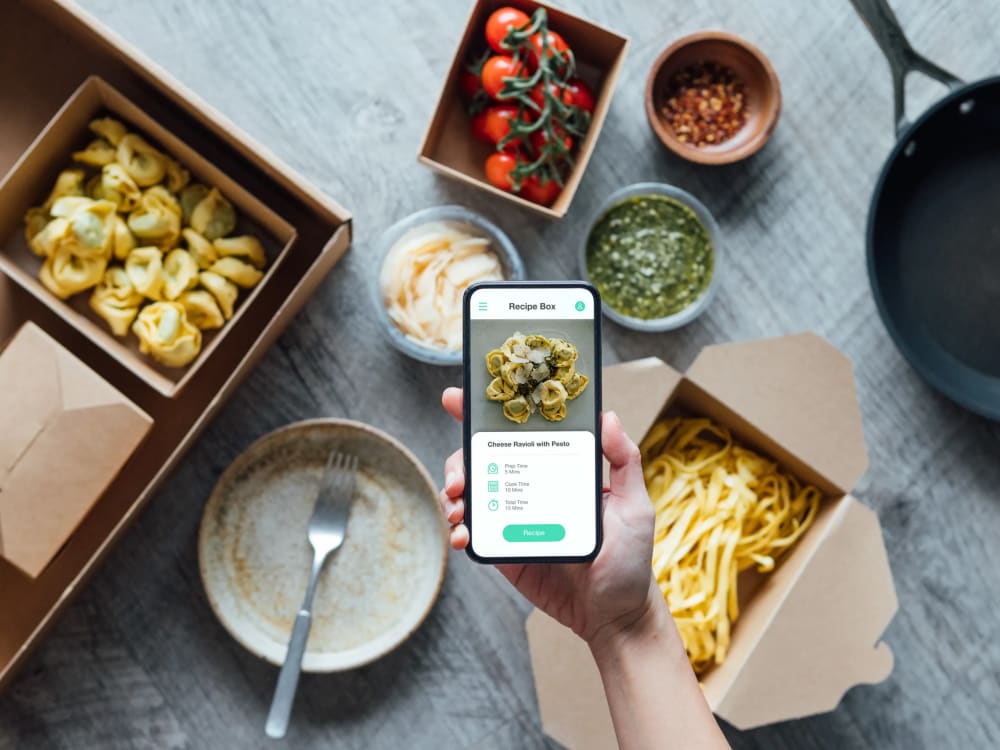
Food delivery services have completely transformed how people eat, plan meals, and manage their daily routines. What once required cooking, driving, or calling restaurants has become a seamless digital experience where meals arrive at your doorstep with a few taps on a smartphone. From busy professionals and students to families and elderly users, food delivery services now play a major role in everyday life across the world.
But with so many platforms available—each offering different pricing, restaurant choices, delivery times, and features—a common question arises: What is the best food delivery service? The answer is not universal. The “best” service depends on what you value most, whether that is affordability, speed, variety, healthy options, or overall convenience.
This in-depth guide explores how food delivery services work, the key factors that define quality, a comparison of leading platforms, and how to choose the best option for your specific needs.
Understanding What a Food Delivery Service Is
A food delivery service is a digital platform—usually a mobile app or website—that connects customers with restaurants, grocery stores, or meal providers. Users browse menus, place orders, make payments online, and receive food through delivery partners or restaurant drivers.
Most modern food delivery services act as intermediaries rather than cooking food themselves. They manage logistics, customer support, payment processing, and real-time tracking, allowing restaurants to focus on food preparation.
There are three main categories of food delivery services:
- Restaurant delivery platforms that aggregate local restaurants
- Meal kit services that deliver ingredients with recipes
- Prepared meal subscriptions that send fully cooked meals
This article focuses primarily on restaurant-based food delivery platforms, as they are the most widely used and competitive.
Why Food Delivery Services Have Become So Popular
Food delivery services have grown rapidly due to changes in lifestyle, technology, and consumer expectations. Several factors explain their popularity:
- Busy schedules that limit time for cooking
- Increased smartphone and internet access
- Desire for variety without leaving home
- Improved logistics and GPS tracking
- Contactless delivery and digital payments
In many regions, food delivery is no longer a luxury but a practical solution for daily meals.
Key Factors That Define the Best Food Delivery Service
Before naming any platform as “the best,” it is important to understand the criteria used to evaluate them. The best food delivery service excels across multiple areas rather than just one.
Restaurant Variety and Availability
A top-tier food delivery service offers access to a wide range of restaurants, including:
- Local independent eateries
- Popular national or international chains
- Specialty cuisines such as vegan, halal, gluten-free, or ethnic foods
The more diverse the selection, the more likely users are to find meals that match their preferences and dietary needs.
Delivery Speed and Reliability
Fast delivery is a major deciding factor. The best services provide:
- Accurate delivery time estimates
- Real-time order tracking
- Consistent performance even during peak hours
Reliability is just as important as speed. Orders should arrive complete, fresh, and within the promised timeframe.
Pricing, Fees, and Transparency
Food delivery costs can add up quickly due to service fees, delivery charges, and surge pricing. The best platforms offer:
- Clear breakdowns of costs
- Competitive delivery fees
- Subscription plans that reduce expenses
- Regular promotions or discounts
Transparent pricing builds trust and encourages repeat usage.
User Experience and App Design
A well-designed app enhances the overall experience. Key elements include:
- Simple navigation
- Easy search and filtering options
- Secure and fast checkout
- Accurate order history and reordering features
A smooth user experience often determines whether users stick with a service long term.
Customer Support and Problem Resolution
Even the best services encounter issues such as late deliveries or missing items. What sets top platforms apart is how they handle problems. Strong customer support includes:
- Fast response times
- Fair refunds or credits
- Multiple support channels such as chat or email
Good support turns a bad experience into a manageable one.
Overview of Leading Food Delivery Services
Several global and regional platforms dominate the food delivery market. Each has its own strengths and weaknesses.
Uber Eats
Uber Eats is one of the most widely used food delivery services globally. It benefits from Uber’s existing logistics network and strong technology infrastructure.
Strengths:
- Extensive restaurant selection in major cities
- Reliable real-time tracking
- Frequent promotions for new and existing users
- Seamless integration with the Uber app
Limitations:
- Delivery and service fees can be high
- Pricing may fluctuate during busy hours
Uber Eats is often considered the best option for users who value convenience, app reliability, and wide availability.
DoorDash
DoorDash is especially popular in the United States and parts of Canada. It focuses heavily on suburban and smaller city markets.
Strengths:
- Broad coverage beyond major cities
- DashPass subscription reduces fees
- Strong partnerships with local restaurants
Limitations:
- Menu prices may be higher than in-store
- Service fees can vary
DoorDash is a strong choice for users outside major metropolitan areas.
Grubhub
Grubhub is one of the earliest food delivery platforms and has built a loyal customer base over time.
Strengths:
- Large restaurant network
- Loyalty rewards programs
- Pre-ordering options for scheduled meals
Limitations:
- App interface can feel outdated
- Delivery times may be inconsistent in some regions
Grubhub works well for users who prefer familiarity and established restaurant partnerships.
Deliveroo
Deliveroo is prominent in the UK, Europe, and parts of Asia, offering a premium-focused delivery experience.
Strengths:
- High-quality restaurant partnerships
- Fast delivery in urban centers
- Clean and intuitive app design
Limitations:
- Limited availability in smaller towns
- Premium pricing in some locations
Deliveroo is often preferred by users who prioritize restaurant quality and speed.
Foodpanda
Foodpanda operates widely across Asia, the Middle East, and parts of Eastern Europe.
Strengths:
- Strong presence in developing markets
- Supports cash-on-delivery in many regions
- Includes groceries and daily essentials
Limitations:
- Customer support quality varies by country
- Delivery times can fluctuate
Foodpanda is a practical choice in regions where global platforms have limited reach.
Comparing Food Delivery Services by User Needs
Rather than choosing a single “best” platform, it is more useful to match services to specific needs.
Best for Variety and Choice
Platforms with the largest restaurant networks, such as Uber Eats and DoorDash, tend to be the best for users who enjoy trying different cuisines and restaurants frequently.
Best for Budget-Conscious Users
Services that offer subscription plans, loyalty programs, and regular discounts are ideal for users who order frequently and want to reduce costs.
Best for Fast Delivery
In dense urban areas, services like Deliveroo and Uber Eats often provide the fastest delivery due to optimized logistics and high driver availability.
Best for Local and Regional Availability
In many countries, regional platforms such as Foodpanda outperform global competitors by understanding local preferences and payment methods.
Subscription Plans and Their Impact
Many food delivery services offer monthly subscription plans that reduce delivery fees and service charges. These plans are beneficial for frequent users but may not be cost-effective for occasional orders.
Subscription benefits typically include:
- Free or reduced delivery fees
- Exclusive discounts
- Priority customer support
Before subscribing, users should calculate how often they order to determine whether the plan offers real savings.
Food Quality and Safety Considerations
While delivery platforms do not cook food, they influence food quality through packaging standards, delivery time management, and restaurant partnerships.
The best food delivery services work with restaurants to ensure:
- Proper packaging to maintain temperature
- Minimal handling during transit
- Hygiene and safety guidelines
Users can also check ratings and reviews to gauge food quality before ordering.
The Role of Technology in Food Delivery Excellence
Advanced technology plays a major role in defining the best food delivery services. Key innovations include:
- AI-driven restaurant recommendations
- GPS-based live tracking
- Smart batching of orders to reduce delivery time
- Data analytics for demand forecasting
Platforms that invest heavily in technology tend to offer smoother, more reliable experiences.
Environmental and Ethical Considerations
Sustainability is becoming increasingly important. Some food delivery services are taking steps to reduce environmental impact by:
- Encouraging eco-friendly packaging
- Offering bicycle or electric vehicle delivery
- Reducing food waste through optimized logistics
Users who value sustainability may consider these factors when choosing a platform.
How to Choose the Best Food Delivery Service for You
To determine the best food delivery service for your personal needs, consider the following questions:
- Which platforms operate reliably in your area?
- How often do you order food?
- Do you prioritize cost, speed, or variety?
- Are subscription plans worth it for your usage?
- Do you prefer local restaurants or big chains?
Trying multiple platforms and comparing experiences is often the best approach.
Final Verdict: Is There a Single Best Food Delivery Service?
There is no single food delivery service that is objectively the best for everyone. The best platform depends on location, lifestyle, budget, and personal preferences.
For users who value wide availability and a polished app experience, Uber Eats often stands out. For those in suburban or smaller markets, DoorDash may be more reliable. In international or developing regions, Foodpanda frequently offers better coverage. Deliveroo appeals to users seeking premium restaurant experiences, while Grubhub remains a dependable option for long-time users.
Ultimately, the best food delivery service is the one that consistently delivers good food, fair pricing, and a stress-free experience—right when you need it.