
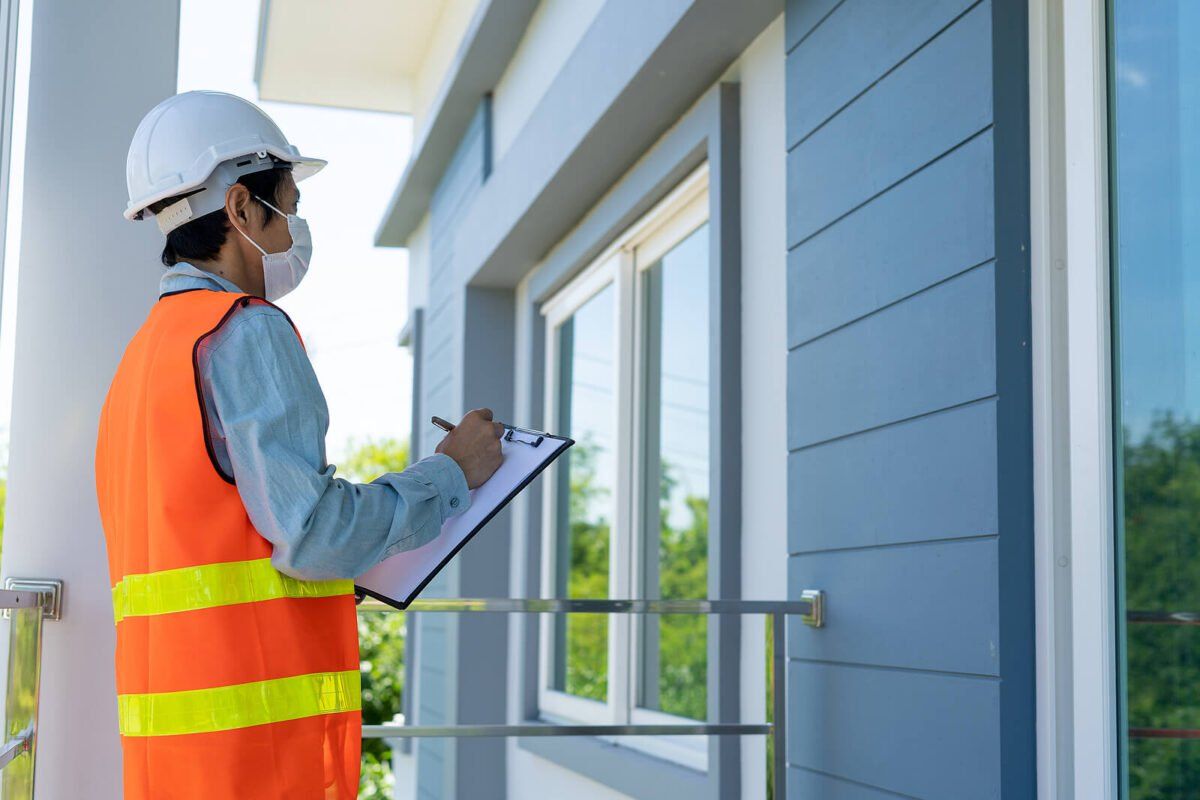
Buying or selling a home is one of the biggest financial decisions most people will ever make, and a home inspection plays a critical role in that process. One of the most common questions buyers and sellers ask is: How long does a home inspection take?
While there is no single answer that applies to every property, most home inspections follow predictable timelines based on the size, age, condition, and type of home. This in-depth guide explains the average length of a home inspection, what affects inspection time, what inspectors do during the process, and how you can prepare to ensure everything runs smoothly.
Average Home Inspection Time
In general, a standard home inspection takes between 2 and 4 hours. However, this range can vary significantly depending on several factors.
Typical Time Estimates by Home Size
- Small homes (under 1,000 sq ft): 1.5 to 2 hours
- Average homes (1,500–2,500 sq ft): 2.5 to 3.5 hours
- Large homes (3,000+ sq ft): 4 to 5 hours or more
What Happens During a Home Inspection?
Understanding what inspectors do helps explain why inspections take as long as they do.
A licensed home inspector performs a visual evaluation of the property’s major systems and components. The goal is to identify existing or potential issues that could affect safety, functionality, or value.
Key Areas Inspected
- Roof and attic
- Exterior structure
- Foundation and crawl space
- Plumbing systems
- Electrical systems
- HVAC (heating and cooling)
- Interior rooms, doors, and windows
- Insulation and ventilation
- Appliances (where applicable)
Factors That Affect How Long a Home Inspection Takes
Several variables influence inspection length. Knowing these factors helps buyers and sellers set realistic expectations.
Size of the Home
Larger homes naturally take longer to inspect because they have:
- More rooms
- Additional bathrooms
- Larger roofing areas
- Multiple HVAC systems
Age of the Home
Older homes often take longer to inspect due to:
- Outdated wiring or plumbing
- Multiple renovations or additions
- Wear and tear on structural components
Condition of the Property
Well-maintained homes are generally faster to inspect, while neglected properties take longer due to:
- Visible damage
- Deferred maintenance
- Potential safety hazards
Type of Property
Single-Family Homes
These usually take the longest due to independent systems and structures.
Condos and Townhomes
Inspections are shorter because exterior components and shared systems are often excluded.
New Construction Homes
New builds may take less time, but inspections are still important to catch construction defects.
Additional Inspection Services
Optional inspections increase total inspection time.
Common add-ons include:
- Radon testing
- Mold inspection
- Termite or pest inspection
- Sewer scope
- Pool or spa inspection
- Septic system inspection
Accessibility Issues
If inspectors struggle to access key areas, inspections take longer.
Examples include:
- Cluttered basements or attics
- Locked utility rooms
- Blocked crawl spaces
Inspector Experience and Method
Experienced inspectors often work more efficiently while maintaining thoroughness. However, highly detailed inspectors may take extra time to document findings, which benefits buyers in the long run.
How Long Does a Home Inspection Take for Buyers?
Buyers are encouraged to attend the inspection, which typically lasts the full inspection time.
Why Buyers Should Attend
- Learn about the home’s systems
- Ask questions in real time
- Understand maintenance needs
- Clarify inspection findings
How Long Does a Home Inspection Take for Sellers?
Sellers usually do not attend but should plan for:
- Time to leave the property
- Time to secure pets
- Ensuring utilities are on
How Long Does It Take to Get the Inspection Report?
The physical inspection is only part of the process.
Inspection Report Timeline
- Same day: Some inspectors deliver reports within hours
- 24–48 hours: Most common timeframe
- Up to 72 hours: For large or complex homes
What Can Cause Delays in a Home Inspection?
Several issues can extend inspection time or delay reporting.
Weather Conditions
Rain, snow, or extreme heat may limit roof access or exterior inspections.
Utility Shutoffs
If electricity, gas, or water is turned off, inspectors cannot fully evaluate systems.
Uncooperative Access
Locked rooms or missing keys slow down inspections.
Discovery of Major Issues
If inspectors find serious concerns, they may spend extra time documenting them thoroughly.
How Long Does a Home Inspection Take Compared to an Appraisal?
Buyers often confuse inspections with appraisals.
Key Differences
- Home inspection: 2–4 hours, detailed evaluation
- Home appraisal: 30–60 minutes, value-focused
Can a Home Inspection Be Rushed?
Technically, yes—but it’s not recommended.
Rushing a home inspection increases the risk of:
- Missed defects
- Incomplete documentation
- Overlooked safety issues
Tips to Ensure a Faster and Smoother Home Inspection
For Sellers
- Clear access to attic, basement, and crawl spaces
- Unlock all doors and gates
- Replace burned-out light bulbs
- Ensure utilities are active
- Secure pets
For Buyers
- Review property details beforehand
- Prepare questions in advance
- Attend the inspection
- Allow the inspector to work uninterrupted
How Long Does a Home Inspection Take for Special Property Types?
Older Historic Homes
These can take 4 to 6 hours or more due to:
- Aging materials
- Structural concerns
- Outdated systems
Multi-Unit Properties
Duplexes and triplexes may take 4–5 hours, depending on unit access.
Luxury Homes
High-end properties often include multiple systems, requiring extended inspection time.
Is a Longer Home Inspection Better?
Not necessarily—but thoroughness matters more than speed.
A quality inspection balances:
- Efficiency
- Accuracy
- Documentation
What Happens After the Home Inspection?
Once the inspection is complete:
- Buyer reviews the report
- Repairs or credits may be negotiated
- Buyer decides whether to proceed
Final Thoughts: How Long Does a Home Inspection Take?
So, how long does a home inspection take?
For most homes, expect 2 to 4 hours, with additional time for large, older, or complex properties. While it may seem lengthy, the inspection is a crucial step that provides peace of mind and protects one of the biggest investments you’ll ever make.
Allowing enough time, choosing a qualified inspector, and preparing properly ensures the inspection is thorough, accurate, and valuable. Whether you’re buying or selling, understanding the inspection timeline helps you move forward with confidence.