
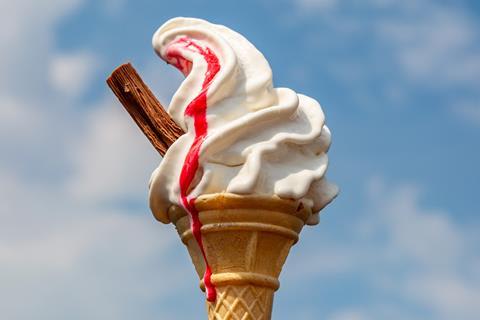
Ice cream is one of the world’s most beloved desserts, enjoyed across cultures, climates, and generations. From simple vanilla scoops to elaborate artisanal creations, ice cream delivers a unique sensory experience: creamy texture, balanced sweetness, refreshing coldness, and endless flavor possibilities. But behind this seemingly simple treat lies a carefully balanced mixture of ingredients and processes. Understanding what ice cream is made of reveals why it tastes the way it does, how different styles vary, and how modern food science turns basic ingredients into a smooth, scoopable delight.
This in-depth guide explores every major component of ice cream, how each ingredient functions, and how they work together to create the final product you enjoy.
The Core Idea Behind Ice Cream
At its heart, ice cream is a frozen dairy dessert made by freezing a mixture while incorporating air. What makes ice cream special is not just freezing liquid milk or cream, but controlling ice crystal formation, fat structure, sweetness, and texture at the same time.
Ice cream is best described as a complex foam:
- Solid ice crystals
- Liquid sugar solution
- Fat droplets
- Air bubbles
- Milk proteins and stabilizers holding everything together
Each ingredient plays a specific role, and even small changes in proportions can dramatically affect flavor, mouthfeel, and stability.
Milk and Cream: The Dairy Foundation
Milk and cream form the base of most traditional ice creams. They provide water, fat, protein, and lactose, all of which are essential to ice cream’s structure.
Milk
Milk contributes:
- Water, which freezes into ice crystals
- Milk proteins, which help emulsify fat and stabilize air
- Lactose (milk sugar), which adds mild sweetness and affects freezing point
Whole milk is most commonly used, though low-fat or skim milk may appear in lighter formulations.
Cream
Cream is the primary source of fat in ice cream. Fat is critical because it:
- Creates richness and smooth mouthfeel
- Carries flavor compounds
- Helps stabilize air bubbles during churning
- Prevents ice crystals from growing too large
Most premium ice creams contain between 10% and 18% milk fat, with higher fat content generally leading to creamier texture.
Sugar: Sweetness and Texture Control
Sugar does much more than make ice cream sweet. It also controls how ice cream freezes.
Types of Sugar Used
Ice cream makers often use a combination of sugars, such as:
- Sucrose (table sugar)
- Glucose or dextrose
- Corn syrup or invert sugar
- Honey or other natural sweeteners
Why Sugar Matters
Sugar:
- Lowers the freezing point, preventing ice cream from becoming rock solid
- Softens texture for easier scooping
- Balances bitterness and enhances flavor perception
Too little sugar results in icy, hard ice cream. Too much sugar makes ice cream overly soft and sticky.
Fat: The Key to Creaminess
Fat is one of the most important ingredients in ice cream, even though it often gets the most attention from a nutritional standpoint.
How Fat Works in Ice Cream
Fat:
- Coats the tongue, creating a smooth sensation
- Binds flavors and releases them slowly
- Helps trap air bubbles during churning
- Improves melting behavior
When ice cream is churned, fat droplets partially stick together, forming a network that supports the structure of the dessert.
Sources of Fat
- Dairy fat from cream and milk
- Plant-based fats in non-dairy ice creams (such as coconut oil or cocoa butter)
The type and amount of fat greatly influence the final product’s richness and body.
Air: The Invisible Ingredient
Air is an often-overlooked but essential component of ice cream. Without air, ice cream would be dense, icy, and unpleasant to eat.
Overrun Explained
The amount of air incorporated into ice cream is called overrun. It is measured as the percentage increase in volume due to air.
- Premium ice cream: low overrun (denser, richer)
- Commercial ice cream: higher overrun (lighter, cheaper to produce)
Air contributes to:
- Lightness and softness
- Enhanced perception of cold and flavor
- Better scoopability
Properly controlled air incorporation is key to high-quality ice cream.
Eggs: Richness and Natural Emulsification
Not all ice cream contains eggs, but they are essential in certain styles, especially custard-based ice creams.
Role of Egg Yolks
Egg yolks provide:
- Natural emulsifiers (lecithin)
- Additional fat
- Rich flavor and yellow color
- Improved texture and stability
Ice creams made with egg yolks are often labeled as custard-style or French-style ice cream.
Why Some Ice Creams Skip Eggs
Many modern ice creams avoid eggs to:
- Reduce cost
- Simplify production
- Appeal to consumers with egg allergies
Egg-free ice creams rely more heavily on stabilizers and emulsifiers.
Stabilizers: Preventing Ice Crystals
Stabilizers are ingredients used in very small amounts, but they have a huge impact on texture and shelf life.
Common Stabilizers
- Guar gum
- Locust bean gum
- Carrageenan
- Xanthan gum
What Stabilizers Do
Stabilizers:
- Limit ice crystal growth
- Improve creaminess
- Slow melting
- Maintain texture during storage
Without stabilizers, ice cream would quickly become grainy and icy, especially after repeated temperature changes.
Emulsifiers: Keeping Everything Together
Ice cream contains both fat and water, which naturally resist mixing. Emulsifiers help these components stay blended.
Common Emulsifiers
- Egg yolk lecithin
- Mono- and diglycerides
Why Emulsifiers Matter
Emulsifiers:
- Help fat droplets distribute evenly
- Improve air incorporation
- Create smoother, more stable foam
They are essential for achieving consistent texture, especially in large-scale production.
Flavorings: Defining the Ice Cream Experience
Flavorings are what transform plain sweet cream into chocolate, strawberry, pistachio, or countless other varieties.
Natural Flavorings
- Vanilla beans or extract
- Cocoa powder or chocolate
- Fruit purees and juices
- Nuts, spices, and herbs
Artificial Flavorings
Used in some products for:
- Cost efficiency
- Consistent flavor
- Extended shelf life
Flavorings must be carefully balanced, as freezing dulls flavor intensity.
Colorings: Visual Appeal
While not essential to taste, color strongly influences perception.
Natural Colors
- Beet juice
- Annatto
- Turmeric
- Fruit-based pigments
Artificial Colors
Often used to:
- Enhance visual consistency
- Match consumer expectations
For example, mint ice cream is often colored green even though mint itself is colorless.
Mix-Ins and Inclusions
Mix-ins add texture and variety to ice cream.
Common Mix-Ins
- Chocolate chips
- Cookie dough
- Nuts
- Fruit pieces
- Caramel or fudge swirls
Challenges with Mix-Ins
Mix-ins must:
- Withstand freezing
- Remain chewable at low temperatures
- Be evenly distributed
Their size, moisture content, and fat composition all affect final quality.
Water: The Silent Majority
Water makes up a large portion of ice cream, mainly coming from milk and cream.
Why Water Is Tricky
When frozen, water forms ice crystals. If crystals grow too large, ice cream becomes coarse.
Proper formulation and freezing techniques ensure:
- Small ice crystals
- Smooth mouthfeel
- Stable texture over time
Controlling water behavior is one of the biggest challenges in ice cream making.
The Freezing Process: Turning Ingredients into Ice Cream
Ingredients alone do not make ice cream. The process is just as important.
Mixing and Pasteurization
- Ingredients are blended
- The mixture is heated to kill bacteria
- Pasteurization improves safety and texture
Homogenization
- Fat droplets are broken into smaller particles
- Ensures even distribution of fat
Aging the Mix
- The mixture rests at low temperature
- Proteins and stabilizers hydrate
- Improves final texture
Churning and Freezing
- The mix is frozen while being agitated
- Air is incorporated
- Ice crystals remain small
This step defines ice cream’s structure and quality.
Variations of Ice Cream Ingredients
Different styles of ice cream use different ingredient ratios.
Gelato
- Lower fat content
- Less air
- Stronger flavor intensity
Soft Serve
- Higher air content
- Served at warmer temperatures
- Softer texture
Non-Dairy Ice Cream
- Uses plant-based milks (almond, coconut, oat)
- Relies on vegetable fats and gums
- Designed to mimic dairy texture
Each variation adjusts ingredients to achieve a specific eating experience.
Why Ingredient Balance Matters
Ice cream is a delicate balance. Changing one ingredient affects many others.
For example:
- More sugar means softer texture but less clean flavor
- Less fat means icier mouthfeel
- More stabilizer improves shelf life but can feel gummy
Expert ice cream makers carefully calculate formulas to maintain harmony between taste, texture, and stability.
Conclusion: A Science-Driven Treat
Ice cream may seem simple, but it is one of the most complex foods we regularly enjoy. Made from milk, cream, sugar, fat, air, and a small supporting cast of stabilizers and emulsifiers, ice cream is a triumph of food science and craftsmanship. Each ingredient has a precise role, and the final product depends on how well those roles are balanced.
Understanding what ice cream is made of not only deepens appreciation for this timeless dessert but also explains why quality varies so widely between brands and styles. Whether enjoyed as a simple scoop or an elaborate sundae, ice cream is the result of careful ingredient selection, precise formulation, and controlled freezing—proof that even the most joyful foods are built on thoughtful design.