
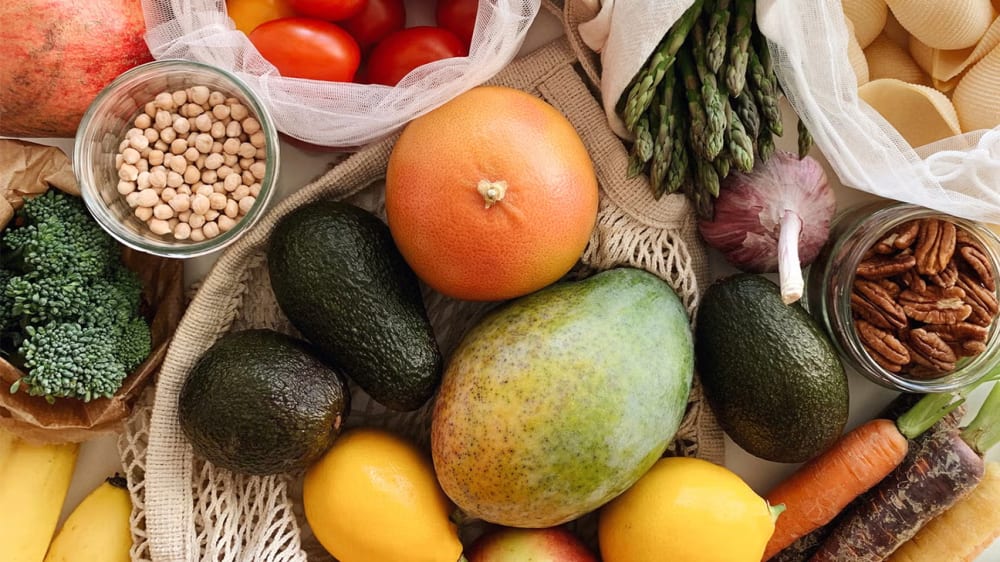
Energy is the foundation of everything we do — from waking up in the morning and concentrating at work to exercising, studying, and even maintaining a positive mood. While many people rely on caffeine or sugary snacks for a quick boost, true, lasting energy comes from the food you eat every day. The right foods fuel your body at a cellular level, stabilize blood sugar, support brain performance, and prevent energy crashes.
Understanding which foods provide sustainable energy — and why — can completely change how you feel throughout the day. This guide explores the science behind energy production, the best energy-boosting foods, how to combine them effectively, and practical ways to build meals that keep you energized for hours.
Understanding How Food Creates Energy
Before exploring specific foods, it helps to understand how energy works in the body.
Your body converts food into energy through a process that transforms nutrients into glucose, fatty acids, and amino acids. These nutrients are then used to produce ATP (adenosine triphosphate), the molecule that powers nearly every bodily function.
Three main nutrients supply energy:
- Carbohydrates — the body’s primary and fastest energy source
- Proteins — support muscle repair and steady energy release
- Fats — provide long-lasting fuel and help regulate hormones
However, not all foods are equal. Some create rapid spikes and crashes, while others provide steady, sustained energy. The difference often lies in nutrient density, fiber content, and how quickly the body digests the food.
The Difference Between Quick Energy and Lasting Energy
Many foods provide energy temporarily, but only certain foods maintain energy levels over time.
Quick Energy Foods
These digest quickly and raise blood sugar rapidly:
- Candy and sugary drinks
- White bread
- Pastries
- Highly processed snacks
They may make you feel energized briefly, but the resulting blood sugar crash often leads to fatigue, irritability, and cravings.
Sustained Energy Foods
These release energy gradually:
- Whole grains
- Lean proteins
- Healthy fats
- Fiber-rich fruits and vegetables
The goal is not just energy — but stable energy that lasts throughout the day.
Complex Carbohydrates: The Body’s Primary Fuel
Carbohydrates are often misunderstood, but they are essential for energy production. The key is choosing complex carbohydrates rather than refined ones.
Complex carbs contain fiber, which slows digestion and provides a steady release of glucose into the bloodstream.
Best Complex Carbohydrates for Energy
Oats
Oats are one of the best breakfast foods for sustained energy. They contain soluble fiber called beta-glucan, which helps regulate blood sugar and keeps you full longer.
Benefits include:
- Slow energy release
- Improved focus
- Reduced mid-morning fatigue
Brown Rice
Brown rice retains its bran and germ layers, making it richer in vitamins, minerals, and fiber compared to white rice.
It provides:
- Steady glucose supply
- B vitamins for metabolism
- Long-lasting fullness
Quinoa
Quinoa is unique because it contains both complex carbohydrates and complete protein, making it ideal for sustained energy.
Sweet Potatoes
Sweet potatoes provide complex carbs along with potassium and vitamin A, helping muscle function and reducing tiredness.
Protein: The Secret to Stable Energy
Protein does more than build muscle. It slows digestion, stabilizes blood sugar, and prevents energy crashes after meals.
When carbohydrates are eaten alone, energy rises and falls quickly. Adding protein creates a balanced energy release.
Energy-Boosting Protein Sources
Eggs
Eggs contain high-quality protein and essential amino acids that support brain function and alertness.
They also contain choline, a nutrient important for memory and mental energy.
Greek Yogurt
Greek yogurt offers protein plus probiotics that support gut health, which is closely linked to energy levels and mood.
Lean Meats
Chicken, turkey, and lean beef provide iron and protein. Iron helps transport oxygen through the bloodstream — a critical factor in preventing fatigue.
Plant-Based Proteins
- Lentils
- Chickpeas
- Beans
- Tofu
These foods combine protein with fiber, creating sustained energy without heaviness.
Healthy Fats: Long-Lasting Fuel
Fat is the body’s slowest-burning energy source. While carbohydrates provide quick fuel, fats deliver endurance energy that keeps you going for longer periods.
Healthy fats also help absorb vitamins and support brain health.
Best Healthy Fat Sources
Avocados
Avocados contain monounsaturated fats that support heart health and provide steady energy without blood sugar spikes.
Nuts and Seeds
Almonds, walnuts, chia seeds, and flaxseeds provide:
- Healthy fats
- Protein
- Magnesium
Magnesium plays a key role in energy production, and low levels are often linked to fatigue.
Olive Oil
A staple of balanced diets, olive oil supports stable energy and reduces inflammation.
Fruits That Naturally Boost Energy
Fruits contain natural sugars, fiber, vitamins, and antioxidants — making them ideal for quick yet balanced energy.
Bananas
Bananas are often called nature’s energy bar because they contain carbohydrates, potassium, and vitamin B6.
They help:
- Prevent muscle fatigue
- Support nerve function
- Provide fast but stable energy
Apples
Apples contain fiber and natural sugars that digest slowly, providing longer-lasting energy compared to processed sweets.
Berries
Blueberries, strawberries, and raspberries are rich in antioxidants that combat oxidative stress, which can contribute to tiredness.
Oranges
Oranges provide vitamin C, which helps reduce fatigue and supports immune health.
Vegetables That Fight Fatigue
Vegetables may not seem like energy foods, but they play a vital role in how efficiently your body produces energy.
Spinach and Leafy Greens
Leafy greens contain iron, magnesium, and folate — nutrients essential for oxygen transport and energy metabolism.
Low iron levels can cause persistent tiredness.
Broccoli
Broccoli provides fiber and vitamin C, helping maintain steady energy and supporting overall metabolic health.
Beets
Beets improve blood flow and oxygen delivery, which may enhance stamina and endurance.
The Role of Iron in Energy Levels
Iron deficiency is one of the most common causes of fatigue worldwide. Iron helps create hemoglobin, which carries oxygen to muscles and organs.
Low oxygen delivery leads to tiredness, weakness, and poor concentration.
Iron-Rich Energy Foods
- Red meat (in moderation)
- Lentils
- Spinach
- Pumpkin seeds
- Beans
Pair iron-rich foods with vitamin C sources like citrus fruits to improve absorption.
Magnesium: The Overlooked Energy Mineral
Magnesium participates in hundreds of biochemical reactions, including energy production.
Signs of low magnesium may include:
- Fatigue
- Muscle cramps
- Poor sleep
- Weakness
Magnesium-Rich Foods
- Almonds
- Dark chocolate (in moderation)
- Pumpkin seeds
- Whole grains
- Leafy greens
Hydration and Energy: The Missing Piece
Even mild dehydration can cause fatigue, headaches, and poor concentration.
Water is essential because:
- Nutrients travel through the bloodstream via fluids
- Cells require water to produce energy efficiently
- Dehydration slows metabolism
Tips for staying hydrated:
- Drink water regularly throughout the day
- Eat water-rich foods like cucumbers and watermelon
- Limit excessive sugary drinks
Foods That Improve Brain Energy and Focus
Mental energy is just as important as physical stamina. Certain foods support neurotransmitters and brain function.
Fatty Fish
Fish rich in omega-3 fatty acids support brain health and reduce mental fatigue.
Examples include:
- Salmon
- Sardines
- Mackerel
Dark Chocolate
Dark chocolate contains small amounts of caffeine and antioxidants that improve alertness and blood flow to the brain.
Nuts
Walnuts and almonds support cognitive function thanks to healthy fats and vitamin E.
Best Energy-Boosting Breakfast Ideas
Breakfast sets the tone for your energy levels throughout the day.
Balanced options include:
- Oatmeal topped with nuts and berries
- Eggs with whole-grain toast and avocado
- Greek yogurt with fruit and seeds
- Smoothie with banana, spinach, and protein source
A good breakfast combines carbohydrates, protein, and healthy fats.
Energy-Boosting Snacks That Prevent Crashes
Healthy snacks maintain blood sugar between meals.
Smart snack ideas:
- Apple slices with peanut butter
- Handful of mixed nuts
- Yogurt with berries
- Hummus with vegetables
- Boiled eggs
Avoid snacks high in refined sugar, which cause rapid energy drops.
Foods That Actually Drain Your Energy
Some foods feel energizing initially but ultimately increase fatigue.
Sugary Foods
They spike insulin and lead to sudden crashes.
Highly Processed Foods
Low in nutrients and fiber, processed foods fail to provide sustained energy.
Excessive Caffeine
Too much caffeine can disrupt sleep and lead to dependency-related fatigue.
Fried Foods
Heavy meals require more energy to digest, often causing sluggishness.
Timing Matters: When You Eat Affects Energy
Energy isn’t only about what you eat — timing also matters.
Helpful habits include:
- Eat every 3–4 hours to stabilize blood sugar
- Avoid skipping meals
- Include protein in every meal
- Eat lighter dinners to improve sleep quality
Consistent eating patterns help maintain stable energy throughout the day.
Combining Foods for Maximum Energy
The best meals combine all three macronutrients.
Ideal Energy Plate
- Half plate: vegetables and fruits
- One-quarter: complex carbohydrates
- One-quarter: protein
- Add healthy fats
Example meal:
Grilled chicken, quinoa, roasted vegetables, and olive oil dressing.
This combination provides immediate fuel and long-lasting stamina.
Energy Foods for Exercise and Physical Activity
If you are active, your energy needs increase.
Before Exercise
Choose easily digestible carbs:
- Banana
- Oatmeal
- Whole-grain toast
After Exercise
Combine protein and carbs:
- Yogurt with fruit
- Eggs and toast
- Smoothie with protein and berries
This helps replenish glycogen and repair muscles.
The Connection Between Gut Health and Energy
A healthy gut improves nutrient absorption, which directly affects energy levels.
Foods that support gut health include:
- Yogurt
- Kefir
- Fermented vegetables
- Fiber-rich foods
Balanced gut bacteria help regulate metabolism and reduce inflammation that contributes to fatigue.
Lifestyle Factors That Influence Food Energy
Even the best diet cannot compensate for poor lifestyle habits.
Energy also depends on:
- Quality sleep
- Regular physical activity
- Stress management
- Consistent hydration
Food works best as part of a complete healthy routine.
Sample One-Day Energy Meal Plan
Breakfast
Oatmeal with almonds, banana slices, and yogurt
Mid-Morning Snack
Apple with peanut butter
Lunch
Brown rice bowl with grilled chicken, spinach, avocado, and vegetables
Afternoon Snack
Mixed nuts and berries
Dinner
Baked salmon, sweet potatoes, and steamed broccoli
Evening Option
Herbal tea and a small piece of dark chocolate
This type of balanced eating prevents dips in energy while supporting overall health.
Final Thoughts: Eating for All-Day Energy
Energy doesn’t come from a single “superfood.” Instead, it results from consistent choices that support stable blood sugar, proper nutrient intake, and efficient metabolism.
The most energizing foods share common characteristics:
- Rich in nutrients
- High in fiber
- Balanced in macronutrients
- Minimally processed
By focusing on whole grains, lean proteins, healthy fats, fruits, vegetables, and proper hydration, you can transform how your body feels every day. Rather than relying on quick fixes like sugar or excessive caffeine, building meals around natural energy-supporting foods provides sustained vitality, sharper focus, and improved overall well-being.
When you fuel your body correctly, energy stops being something you chase — and becomes something you naturally have.