
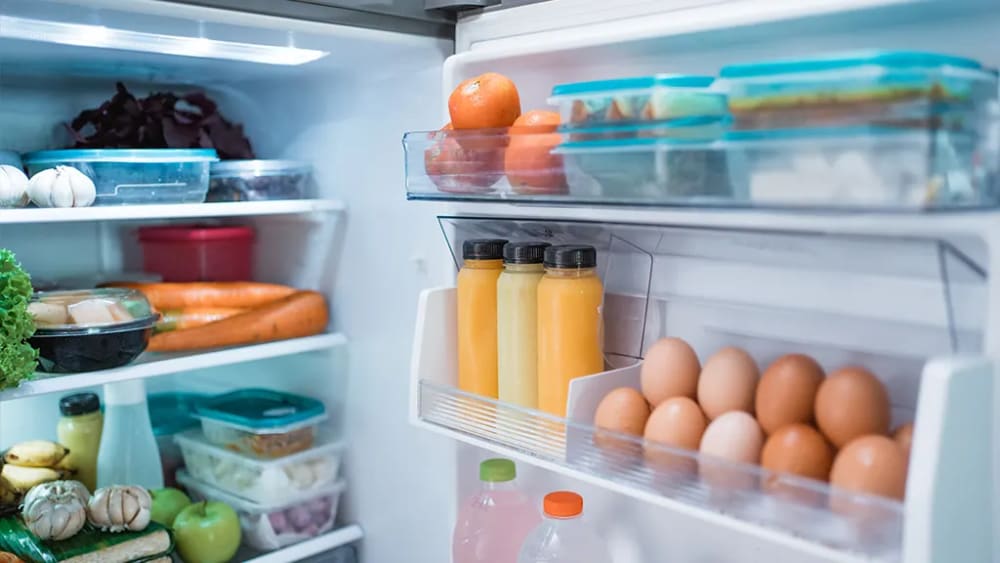
Power outages can happen unexpectedly — during storms, grid failures, extreme weather, maintenance work, or local electrical issues. One of the biggest concerns people face during a blackout is food safety. When refrigeration stops working, temperatures inside your fridge begin to rise, allowing bacteria to grow rapidly and increasing the risk of foodborne illness.
Understanding how long food lasts in a refrigerator without electricity can help you prevent waste, protect your health, and make smarter decisions during an emergency. This in-depth guide explains exactly what happens inside your fridge during a power outage, how long different foods remain safe, and practical strategies to extend food freshness as long as possible.
Why Refrigeration Matters for Food Safety
Refrigerators slow bacterial growth by maintaining a cold environment — ideally at or below 40°F (4°C). Most harmful bacteria multiply quickly between 40°F and 140°F, often called the temperature danger zone.
When power goes out:
- The refrigerator stops actively cooling.
- Internal temperature gradually rises.
- Perishable foods begin to warm.
- Bacteria multiply faster as temperatures increase.
The clock starts ticking the moment electricity is lost, but how quickly food becomes unsafe depends on several factors, including how full your fridge is, how often the door is opened, and the surrounding room temperature.
The Basic Rule: How Long Food Lasts Without Power
The most widely accepted food safety guideline is simple:
- A closed refrigerator keeps food safe for about 4 hours without power.
- A full freezer keeps food safe for about 48 hours (24 hours if half full).
After roughly four hours, refrigerated food may enter unsafe temperature ranges unless cooling is restored.
However, this is only a general rule. Real-world conditions can extend or shorten this time significantly.
What Happens Inside Your Refrigerator During a Power Outage
To understand food safety timelines, it helps to know how temperature changes occur.
Stage 1: Cold Retention (0–2 Hours)
Immediately after power loss:
- The refrigerator remains cold.
- Insulated walls slow heat transfer.
- Food temperatures remain mostly stable.
If the door stays closed, there is little immediate risk during this period.
Stage 2: Gradual Warming (2–4 Hours)
During this stage:
- Temperature slowly rises above optimal refrigeration levels.
- Sensitive foods begin approaching the danger zone.
- Bacterial activity starts increasing.
Food is generally still safe if cooling resumes within this timeframe.
Stage 3: Unsafe Temperature Zone (After 4 Hours)
After about four hours:
- Internal temperature likely exceeds 40°F (4°C).
- Perishable foods begin spoiling rapidly.
- Risk of foodborne illness increases significantly.
At this point, careful inspection and food safety judgment become necessary.
Factors That Affect How Long Food Stays Safe
Not every refrigerator warms at the same speed. Several variables influence how long food lasts.
1. How Full the Refrigerator Is
A fuller fridge stays cold longer because food acts as thermal mass.
- Full refrigerator: retains cold longer.
- Nearly empty fridge: warms quickly.
Cold items help maintain overall temperature, similar to ice packs in a cooler.
2. Door Opening Frequency
Every time you open the refrigerator:
- Cold air escapes.
- Warm air enters.
- Temperature rises faster.
Keeping the door closed is the single most important action you can take.
3. Room Temperature
Ambient temperature greatly affects warming speed.
- Cool homes (below 70°F / 21°C): slower warming.
- Hot climates or summer outages: rapid temperature increase.
In very warm environments, food may become unsafe sooner than four hours.
4. Refrigerator Quality and Insulation
Modern refrigerators with good seals and insulation retain cold better than older models.
Factors include:
- Door gasket condition
- Insulation thickness
- Appliance size and design
5. Initial Food Temperature
If your fridge was already slightly warm before the outage, food safety time decreases significantly.
How Long Specific Foods Last Without Power
Different foods spoil at different rates. Below is a practical breakdown.
Dairy Products
Dairy products are highly perishable and sensitive to temperature changes.
Milk
- Safe up to about 4 hours if fridge remains closed.
- Discard if temperature exceeds 40°F for more than 2 hours.
Cheese
- Hard cheeses (cheddar, parmesan): last longer and may remain safe beyond 4 hours.
- Soft cheeses (cream cheese, ricotta): spoil quickly.
Yogurt and Sour Cream
- Usually unsafe after 4 hours above safe temperatures.
Meat, Poultry, and Seafood
These foods pose the highest food poisoning risk.
Raw Meat and Poultry
- Must remain cold.
- Discard if above 40°F for more than 2 hours.
Cooked Meat
- Same rule applies as raw meat.
- Bacteria grow rapidly once warmed.
Fish and Seafood
- Extremely perishable.
- Should be discarded if warming occurs beyond safe limits.
Eggs
Eggs should remain refrigerated.
- Safe within the 4-hour window.
- Discard if refrigerator temperature rises significantly for extended periods.
Fruits and Vegetables
Many produce items are more forgiving.
Whole fruits and vegetables
- Often remain safe even after warming.
- Quality may decline, but safety risk is lower.
Cut or peeled produce
- Spoils faster.
- Should be discarded if left warm too long.
Condiments and Sauces
Many condiments are surprisingly resilient.
Usually safe longer due to preservatives or acidity:
- Ketchup
- Mustard
- Pickles
- Vinegar-based sauces
- Soy sauce
However, mayonnaise-based products and creamy dressings spoil faster.
Leftovers and Prepared Foods
Cooked dishes are high risk because they contain multiple ingredients.
Examples:
- Rice dishes
- Pasta
- Soups
- Casseroles
If these foods remain above 40°F for more than two hours, they should be discarded.
How to Tell If Food Is Still Safe
One common mistake is relying on smell or appearance alone.
Dangerous bacteria often do not change:
- Smell
- Taste
- Color
- Texture
Food may look completely normal yet still cause illness.
Use a Thermometer
The safest method is checking temperature.
- If food remains at or below 40°F (4°C), it is safe.
- Above that threshold for extended periods increases risk.
A refrigerator thermometer is one of the best emergency preparedness tools.
What to Do Immediately When Power Goes Out
Taking quick action can significantly extend food safety.
Step 1: Keep Doors Closed
Avoid opening the refrigerator unless absolutely necessary.
This simple step can preserve safe temperatures for hours.
Step 2: Group Foods Together
If possible:
- Move items closer together.
- Cold foods help keep each other chilled.
Step 3: Add Ice if Available
If you anticipate a long outage:
- Place ice bags or frozen gel packs inside.
- Use frozen water bottles as emergency cooling sources.
Step 4: Monitor the Outage Duration
Track how long electricity has been off so you can make safe decisions later.
What to Do When Power Returns
When electricity comes back, resist the urge to immediately consume everything.
Follow these steps instead.
Check Temperature First
If the refrigerator thermometer reads:
- 40°F (4°C) or below → food is generally safe.
- Above 40°F for several hours → discard perishables.
Evaluate Freezer Items
Frozen food may still be safe if:
- Ice crystals remain.
- Food feels cold or partially frozen.
Refreezing is acceptable if food has not fully thawed.
Discard High-Risk Foods
Throw away:
- Meat, poultry, seafood
- Dairy products
- Cooked leftovers
- Soft cheeses
- Egg dishes
When in doubt, throw it out.
How to Extend Food Life During Long Outages
If power may be out for many hours or days, proactive steps help preserve food.
Use Coolers Strategically
Transfer perishables into insulated coolers with ice.
Tips:
- Keep coolers tightly packed.
- Limit opening frequency.
- Separate raw meat from ready-to-eat foods.
Create Ice Blocks in Advance
Before storms or planned outages:
- Freeze containers of water.
- Use them as backup cooling sources.
Prioritize What to Save
Focus cooling efforts on:
- Meat and seafood
- Dairy products
- Cooked leftovers
- Medications requiring refrigeration
Lower-risk foods can survive longer without cooling.
Common Mistakes People Make During Power Outages
Avoid these frequent errors.
Opening the Fridge Repeatedly
Curiosity quickly destroys cold retention.
Trusting Smell Tests
Spoiled food does not always smell bad.
Refreezing Fully Thawed Meat
This increases bacterial risk significantly.
Overcrowding Coolers Improperly
Poor airflow or insufficient ice reduces cooling effectiveness.
Health Risks of Eating Spoiled Refrigerated Food
Consuming unsafe food can lead to foodborne illnesses caused by bacteria such as:
- Salmonella
- E. coli
- Listeria
Symptoms may include:
- Nausea
- Vomiting
- Diarrhea
- Fever
- Abdominal cramps
Young children, elderly individuals, pregnant women, and people with weakened immune systems face higher risks.
Preparing Your Refrigerator for Future Power Outages
Planning ahead reduces stress and food waste.
Keep Appliance Thermometers Installed
They provide immediate safety confirmation after outages.
Maintain Freezer Efficiency
A well-stocked freezer acts as a backup cooling system.
Store Foods Strategically
Place high-risk foods toward the back where temperatures remain coldest.
Freeze Extra Water Containers
They help stabilize temperatures and provide emergency ice.
Know Your Local Risk Factors
Areas prone to storms or grid interruptions benefit from emergency food planning.
Quick Reference Food Safety Timeline
Here’s a simplified overview:
0–2 hours
- Food remains safe if doors stay closed.
2–4 hours
- Temperature rising but still mostly safe.
After 4 hours
- Perishable foods may become unsafe.
Beyond 6+ hours
- Most refrigerated perishables should be discarded unless cooled with ice.
Frequently Asked Questions
Can I cook food to make it safe again?
No. Cooking may kill bacteria but cannot remove toxins already produced during spoilage.
Is food safe if power was out overnight?
It depends on duration and temperature. If the fridge stayed below 40°F, food may be safe. Otherwise, discard perishables.
Are frozen foods safer than refrigerated foods?
Yes. Freezers maintain safe temperatures much longer, especially when full and unopened.
Should I unplug my fridge during an outage?
No. Keep it plugged in so cooling resumes immediately when power returns.
Final Thoughts
Power outages are inconvenient, but food safety decisions during these events are critical for protecting your health. The key takeaway is simple: a refrigerator without power keeps food safe for about four hours if unopened. After that, perishable foods enter risky temperature ranges and must be handled carefully.
Preparation, awareness, and quick action can dramatically reduce food waste and prevent illness. Keeping doors closed, monitoring temperatures, using ice strategically, and knowing which foods spoil fastest are the most effective ways to manage a blackout safely.
When uncertainty arises, always prioritize safety over saving food. Replacing groceries is far less costly than dealing with food poisoning. With the knowledge in this guide, you can confidently handle refrigerator food safety during any future power outage while protecting both your household and your health.