
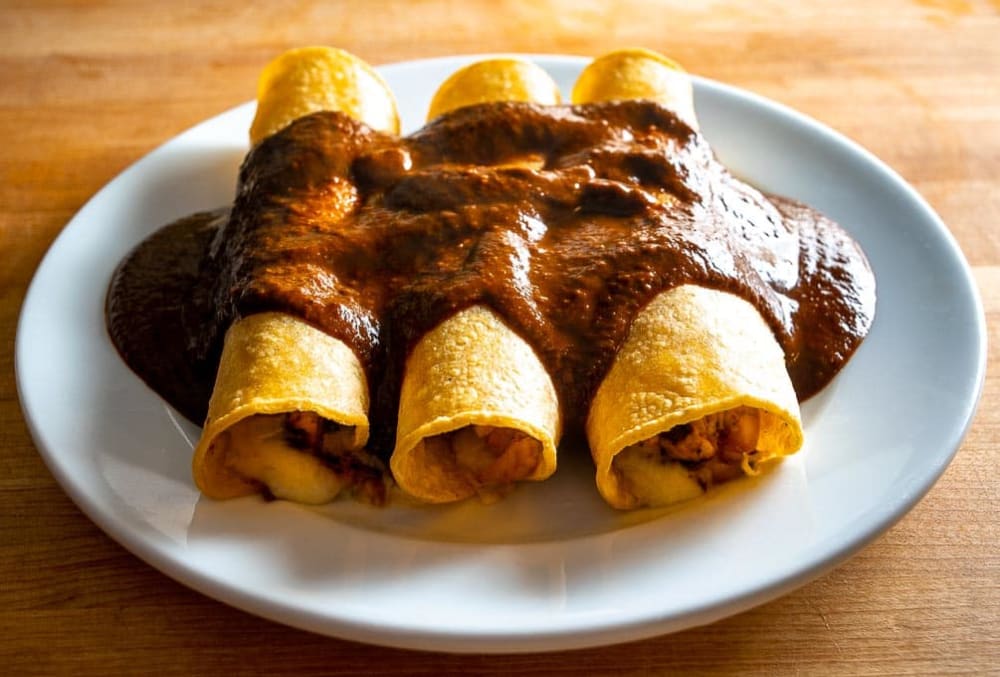
Mole (pronounced MOH-lay) is one of Mexico’s most iconic and culturally significant dishes. Often misunderstood as simply a chocolate-based sauce, mole is actually a complex, deeply layered culinary tradition that represents centuries of Mexican history, culture, and regional diversity. Mole is not just one recipe or flavor; instead, it is a family of sauces made with a combination of chilies, spices, seeds, nuts, herbs, and sometimes chocolate. These sauces are typically served over meats like chicken or turkey but can also accompany vegetables, rice, or enchiladas.
This article explores the origins, ingredients, varieties, preparation methods, cultural importance, and modern interpretations of mole, offering a comprehensive understanding of this legendary Mexican food.
The Origins and History of Mole
Mole has roots that stretch back hundreds, possibly thousands, of years. Its origins lie in the blending of Indigenous Mesoamerican cooking techniques and ingredients with Spanish colonial influences.
Indigenous Beginnings
Before Spanish colonization, Indigenous civilizations such as the Aztecs and Mayans created sauces made from ground chilies, seeds, tomatoes, and herbs. These sauces were often served with turkey or other native meats. They used stone grinding tools like the metate to crush and blend ingredients into smooth pastes, which later evolved into mole.
These early sauces were already complex and symbolic. Food was closely tied to religious ceremonies, celebrations, and social rituals. Mole-like sauces were often prepared for special occasions and offerings.
Spanish Influence
When Spanish colonizers arrived in the 16th century, they introduced new ingredients that transformed traditional Indigenous recipes. These additions included:
- Cinnamon
- Cloves
- Almonds
- Sesame seeds
- Wheat-based bread for thickening
- Chocolate derived from cacao, refined using European techniques
The combination of these new ingredients with Indigenous cooking methods led to the creation of the mole we know today. Over time, mole became a symbol of Mexico’s cultural fusion.
What Exactly Is Mole?
Mole is a thick, rich sauce made from a carefully balanced mixture of ingredients. The word “mole” comes from the Nahuatl word mōlli, which means “sauce” or “mixture.” While people often associate mole with chocolate, not all moles contain chocolate. In many recipes, chocolate is used sparingly to add depth rather than sweetness.
Mole is known for its complex flavor profile that blends:
- Smoky
- Spicy
- Sweet
- Savory
- Earthy
- Slightly bitter
These flavors combine to create a sauce that is both rich and balanced, making it unique among world cuisines.
Key Ingredients Used in Mole
The beauty of mole lies in its complexity. Traditional mole recipes can include anywhere from 15 to over 30 ingredients. While recipes vary by region and family tradition, certain components are commonly used.
Chilies
Chilies form the backbone of most mole recipes. Different types of dried chilies contribute flavor, color, and heat levels.
Common chilies used in mole include:
- Ancho chilies
- Pasilla chilies
- Mulato chilies
- Guajillo chilies
- Chipotle chilies
Each chili variety adds a distinctive taste. For example, ancho chilies provide sweetness and mild heat, while chipotle chilies add smokiness.
Nuts and Seeds
Nuts and seeds help thicken mole and add richness. Popular options include:
- Almonds
- Peanuts
- Sesame seeds
- Pumpkin seeds
These ingredients are often toasted to enhance their flavor before being ground into the sauce.
Spices and Herbs
Mole relies heavily on aromatic spices to create its layered flavor profile. Common spices include:
- Cinnamon
- Cloves
- Black pepper
- Cumin
- Oregano
- Bay leaves
Fresh herbs may also be added depending on regional preferences.
Fruits and Sweet Elements
Some mole recipes incorporate fruits to balance the spice and add natural sweetness. These may include:
- Raisins
- Plantains
- Tomatoes
- Tomatillos
Chocolate, when included, adds depth and complexity rather than making the sauce dessert-like.
Thickening Agents
Bread, tortillas, or crackers are sometimes used to thicken mole, giving it its signature creamy consistency.
Popular Types of Mole
Mexico is home to numerous mole varieties, each with distinct flavors, colors, and regional influences. Below are some of the most famous types.
Mole Poblano
Mole Poblano is perhaps the most widely recognized mole. Originating from Puebla, it is known for its dark reddish-brown color and balanced combination of chilies, spices, nuts, and chocolate.
It is traditionally served over turkey or chicken and often garnished with sesame seeds. Mole Poblano is commonly prepared for festivals, weddings, and religious celebrations.
Mole Negro
Mole Negro, from Oaxaca, is considered one of the most complex and sophisticated mole sauces. It is darker than Mole Poblano and contains charred chilies, chocolate, nuts, and spices.
The preparation process is labor-intensive and can take many hours or even days. Mole Negro is often reserved for special celebrations.
Mole Rojo
Mole Rojo, or red mole, is lighter in color and flavor compared to darker moles. It relies heavily on red chilies and tomatoes. The taste is bold, spicy, and slightly tangy.
Mole Verde
Mole Verde stands out because of its bright green color and fresh flavor. It is made with green chilies, herbs, pumpkin seeds, and tomatillos. This version is typically lighter and more herbal than darker moles.
Mole Amarillo
Mole Amarillo, meaning yellow mole, is popular in Oaxaca. It is made with yellow chilies and spices, producing a mild, slightly spicy sauce often served with chicken and vegetables.
How Mole Is Traditionally Prepared
Making mole is considered an art form. Traditional preparation is time-consuming and requires patience, precision, and skill.
Step 1: Preparing the Chilies
Dried chilies are cleaned, seeded, and toasted lightly to enhance their flavor. They are then soaked in warm water to soften them before blending.
Step 2: Toasting Ingredients
Nuts, seeds, spices, and sometimes bread or tortillas are toasted individually. This step deepens their flavors and contributes to the sauce’s complexity.
Step 3: Grinding the Ingredients
Traditionally, ingredients are ground using a stone tool called a metate. Today, many cooks use blenders or food processors, though traditional methods are still valued for their texture and authenticity.
Step 4: Cooking the Sauce
The blended mixture is cooked slowly in oil or lard. Broth or stock is gradually added while the sauce simmers. The sauce is stirred constantly to prevent burning and to ensure smooth consistency.
Step 5: Adding Chocolate (Optional)
If the recipe includes chocolate, it is added toward the end of cooking. The chocolate melts into the sauce, enhancing depth rather than sweetness.
How Mole Is Served
Mole is most commonly served as a sauce poured over protein. Traditional pairings include:
- Chicken with mole
- Turkey with mole
- Pork with mole
- Enchiladas topped with mole
- Tamales filled with mole
The dish is often served with rice and tortillas, which help balance the sauce’s strong flavors.
Cultural and Symbolic Importance of Mole
Mole holds deep cultural significance in Mexico. It is not simply everyday food; it is often associated with celebrations, rituals, and family traditions.
Celebration Food
Mole is commonly prepared for important events such as:
- Weddings
- Religious festivals
- Birthdays
- National holidays
- Day of the Dead celebrations
Preparing mole is often a communal activity where families and neighbors gather to cook together. This shared preparation strengthens community bonds.
Generational Traditions
Many mole recipes are passed down through generations. Families often guard their unique mole recipes as treasured secrets, making each version distinct.
Symbol of Mexican Identity
Mole represents the blending of Indigenous and Spanish culinary traditions. It is often viewed as a symbol of Mexico’s cultural diversity and resilience.
Regional Differences in Mole
Different regions of Mexico have their own mole variations based on local ingredients and traditions.
Oaxaca: The Land of Seven Moles
Oaxaca is famous for having seven traditional mole varieties:
- Mole Negro
- Mole Rojo
- Mole Coloradito
- Mole Amarillo
- Mole Verde
- Mole Chichilo
- Mole Manchamantel
Each variety has a unique flavor and color, showcasing the region’s culinary diversity.
Puebla
Puebla is known for Mole Poblano, which is often considered Mexico’s national dish.
Guerrero and Veracruz
These regions produce moles that often include seafood and tropical ingredients, reflecting coastal influences.
Modern Interpretations of Mole
While traditional mole remains highly respected, modern chefs and home cooks have adapted the dish in creative ways.
Fusion Cuisine
Some chefs use mole as a sauce for non-traditional dishes such as:
- Mole pasta
- Mole burgers
- Mole-glazed vegetables
- Mole pizza
These interpretations introduce mole to global audiences while preserving its essential flavors.
Ready-Made Mole
To make mole more accessible, many companies produce mole paste or sauce that can be diluted and heated at home. While convenient, these products often simplify the complex flavors of homemade mole.
Vegan and Vegetarian Mole
Modern adaptations also include plant-based mole recipes. These versions use vegetable broth and omit animal fats while maintaining traditional ingredients and techniques.
Nutritional Value of Mole
Mole can be surprisingly nutritious due to its diverse ingredient list. It contains:
- Protein from nuts and seeds
- Antioxidants from chilies and chocolate
- Vitamins and minerals from herbs and vegetables
However, mole can also be calorie-dense because of oils, nuts, and chocolate, so it is often consumed in moderate portions.
Tips for Trying or Making Mole at Home
If you want to experience mole, here are some helpful tips:
Start with Simpler Recipes
Begin with easier versions like Mole Rojo or Mole Verde before attempting more complex moles like Mole Negro.
Use Quality Chilies
The flavor of mole depends heavily on chilies, so using authentic dried chilies is important.
Balance the Flavors
Mole is all about balance. Taste frequently and adjust spice, sweetness, and seasoning as needed.
Be Patient
Authentic mole requires time. Rushing the cooking process can prevent flavors from fully developing.
Why Mole Is Unique Among Global Sauces
Mole stands apart from other sauces because of its extraordinary ingredient diversity and preparation complexity. Few sauces worldwide combine so many contrasting flavors into one harmonious dish.
Unlike simple sauces, mole reflects history, geography, and family tradition. Each version tells a story about the people who prepare it.
Conclusion
Mole is far more than just a Mexican sauce—it is a cultural treasure, a historical symbol, and a culinary masterpiece. With its deep roots in Indigenous cooking and Spanish influence, mole represents the blending of traditions that define Mexican cuisine.
From the famous Mole Poblano to the intricate Mole Negro and fresh Mole Verde, each variety showcases the diversity and creativity of Mexican cooking. The preparation process requires patience, skill, and dedication, making mole a dish often reserved for special occasions and family gatherings.
Whether enjoyed in a traditional Mexican home, a local restaurant, or a modern fusion dish, mole continues to captivate food lovers around the world. Its rich flavors, cultural significance, and timeless appeal ensure that mole will remain one of Mexico’s most celebrated and cherished foods for generations to come.