
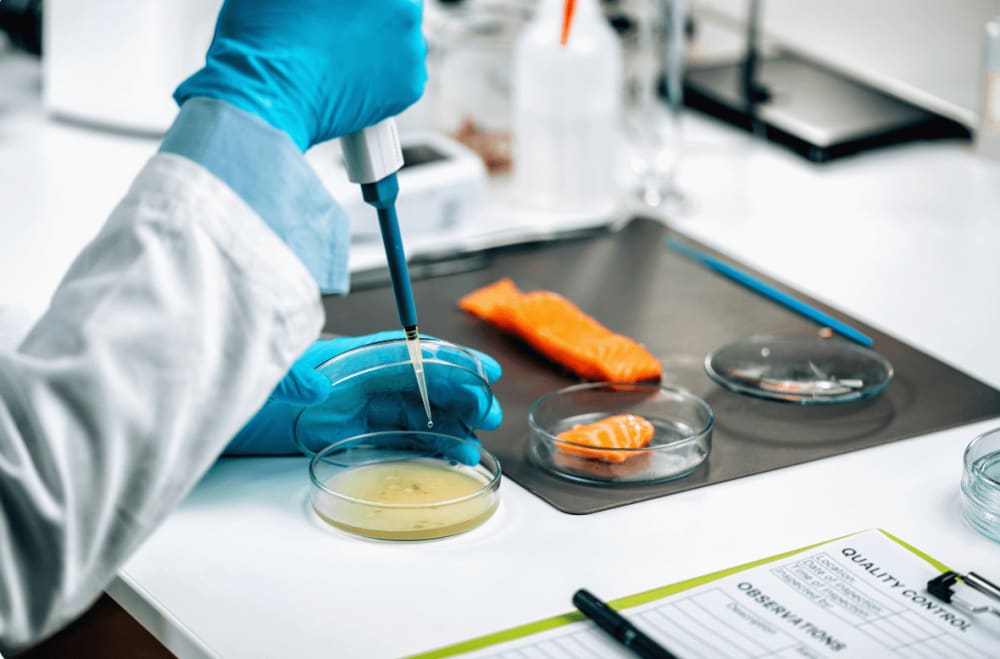
Food safety is a critical responsibility in every food handling environment, whether it is a restaurant, food manufacturing facility, catering service, or home-based food business. One of the most significant threats to food safety is biological hazards, which include harmful microorganisms such as bacteria, viruses, parasites, and fungi. These hazards can cause serious foodborne illnesses, leading to severe health consequences and even death in extreme cases.
Food workers play a crucial role in preventing biological contamination. Proper hygiene practices, safe food handling procedures, temperature control, and workplace sanitation are essential components of food safety management. This comprehensive guide explains what food workers must do to prevent biological hazards from contaminating food and maintain high safety standards.
Understanding Biological Hazards in Food
Biological hazards refer to harmful microorganisms that contaminate food and cause illness. These hazards are usually invisible, making them particularly dangerous because contamination often goes unnoticed until people become sick.
Common Types of Biological Hazards
Bacteria
Bacteria are among the most common causes of foodborne illness. Harmful bacteria such as Salmonella, E. coli, Listeria, and Campylobacter can contaminate food through improper handling, cross-contamination, or poor storage.
Viruses
Viruses like Norovirus and Hepatitis A are frequently transmitted through contaminated food and poor personal hygiene. These viruses often spread when food workers do not wash their hands properly.
Parasites
Parasites such as Giardia and Trichinella may contaminate food or water, especially when food is undercooked or exposed to contaminated environments.
Fungi and Molds
Certain molds and fungi can produce toxins that contaminate food. These toxins may remain harmful even if the mold itself is removed.
Understanding these biological hazards helps food workers recognize the importance of strict food safety practices.
Practicing Proper Personal Hygiene
Personal hygiene is one of the most effective ways to prevent biological contamination. Food workers are often the primary source of contamination when hygiene standards are not maintained.
Frequent and Proper Handwashing
Handwashing is the most essential food safety practice. Food workers must wash their hands:
- Before handling food
- After using the restroom
- After touching raw food
- After handling garbage
- After coughing, sneezing, or touching the face
- After touching animals
- After cleaning tasks
Correct Handwashing Steps
- Wet hands with clean, running water.
- Apply soap.
- Scrub hands thoroughly for at least 20 seconds.
- Clean between fingers, under nails, and wrists.
- Rinse hands properly.
- Dry hands using disposable towels or air dryers.
Proper handwashing removes harmful microorganisms and reduces the risk of contamination.
Wearing Clean Protective Clothing
Food workers should wear clean uniforms, aprons, and hair restraints such as caps or hairnets. These protective items prevent hair, dirt, and microorganisms from entering food.
Avoiding Jewelry and Accessories
Jewelry can trap bacteria and may fall into food. Food workers should remove rings, bracelets, and watches before handling food.
Maintaining Personal Cleanliness
Food workers must maintain overall cleanliness by:
- Keeping fingernails short and clean
- Avoiding nail polish or artificial nails unless gloves are worn
- Showering regularly
- Keeping facial hair trimmed and covered when necessary
Preventing Cross-Contamination
Cross-contamination occurs when harmful microorganisms transfer from one surface, food item, or person to another. This is a major cause of foodborne illness.
Separating Raw and Cooked Foods
Raw foods, especially meat, poultry, seafood, and eggs, often contain harmful bacteria. Food workers should:
- Store raw foods separately from ready-to-eat foods
- Use separate cutting boards for raw and cooked items
- Avoid placing cooked food on surfaces that held raw food
Using Separate Equipment and Utensils
Utensils such as knives, spoons, and tongs should not be used interchangeably between raw and cooked foods. Color-coded equipment can help food workers identify which tools to use for specific food types.
Cleaning and Sanitizing Surfaces
Food preparation surfaces must be cleaned and sanitized regularly to eliminate harmful microorganisms. This includes:
- Cutting boards
- Countertops
- Food storage containers
- Kitchen equipment
Cleaning removes visible dirt, while sanitizing kills harmful microorganisms.
Maintaining Proper Food Storage Practices
Proper storage is essential to prevent biological hazards from multiplying.
Temperature Control
Microorganisms grow rapidly within the temperature danger zone, typically between 5°C and 60°C (41°F and 140°F). Food workers must:
- Store cold foods at or below 5°C (41°F)
- Keep hot foods at or above 60°C (140°F)
- Monitor storage temperatures regularly using thermometers
Safe Refrigeration Practices
Food workers should:
- Avoid overcrowding refrigerators to allow proper air circulation
- Store raw meats on lower shelves to prevent dripping onto other foods
- Cover and label all stored food
- Use food within recommended storage time limits
Proper Freezing Procedures
Freezing slows bacterial growth but does not kill bacteria. Food workers must:
- Freeze food promptly
- Store frozen food at consistent temperatures
- Thaw food safely in refrigerators, microwaves, or under cold running water
Cooking Food to Safe Internal Temperatures
Proper cooking kills most harmful microorganisms. Food workers must ensure food reaches safe internal temperatures.
Recommended Safe Cooking Temperatures
- Poultry: 75°C (165°F)
- Ground meats: 70°C (160°F)
- Seafood: 63°C (145°F)
- Whole cuts of meat: 63°C (145°F)
- Reheated food: 74°C (165°F)
Food thermometers should be used to verify cooking temperatures rather than relying on appearance alone.
Avoiding Bare-Hand Contact with Ready-to-Eat Foods
Ready-to-eat foods such as salads, sandwiches, and fruits are particularly vulnerable to contamination because they are not cooked before serving.
Food workers should use:
- Disposable gloves
- Tongs
- Deli paper
- Utensils
Gloves must be changed frequently and never replace proper handwashing.
Managing Employee Health and Illness
Sick food workers can easily transmit biological hazards to food.
Reporting Illness
Food workers must inform supervisors if they experience symptoms such as:
- Vomiting
- Diarrhea
- Fever
- Sore throat
- Jaundice
Employees diagnosed with contagious illnesses should not handle food until medically cleared.
Covering Wounds and Cuts
Open wounds can introduce bacteria into food. Food workers should:
- Cover wounds with waterproof bandages
- Wear gloves over bandaged wounds
- Avoid food handling if wounds are severe
Implementing Cleaning and Sanitizing Procedures
Cleaning and sanitizing are essential in controlling biological hazards.
Cleaning Procedures
Cleaning involves removing food particles, grease, and dirt using detergents and water. Surfaces must be thoroughly scrubbed before sanitizing.
Sanitizing Methods
Sanitizing reduces microorganisms to safe levels using:
- Chemical sanitizers such as chlorine or quaternary ammonium compounds
- Hot water sanitizing methods
Food workers must follow manufacturer instructions for sanitizer concentration and contact time.
Controlling Time and Exposure
The longer food remains in the temperature danger zone, the higher the risk of bacterial growth.
The Two-Hour Rule
Food should not remain at room temperature for more than two hours. If the temperature is above 32°C (90°F), food should not remain out for more than one hour.
Safe Cooling Practices
Cooked foods must be cooled quickly to prevent bacterial growth. Food workers should:
- Divide food into smaller portions
- Use shallow containers
- Place hot food in ice baths if necessary
- Stir food to speed cooling
Practicing Safe Receiving Procedures
Food safety begins when food arrives at the facility.
Food workers should:
- Inspect deliveries for signs of contamination
- Reject spoiled or damaged products
- Check temperature of perishable items
- Verify expiration dates
- Ensure packaging is intact
Receiving contaminated food increases the risk of biological hazards entering the food preparation environment.
Maintaining Proper Waste Management
Improper waste handling attracts pests and promotes microbial growth.
Food workers should:
- Dispose of waste regularly
- Use covered garbage bins
- Clean garbage containers frequently
- Keep waste areas away from food preparation zones
Preventing Pest Infestation
Pests such as rodents, flies, and cockroaches carry harmful microorganisms that can contaminate food.
Pest Prevention Strategies
- Keep doors and windows sealed
- Store food in airtight containers
- Clean spills immediately
- Maintain regular pest control inspections
Providing Food Safety Training
Continuous training ensures food workers understand their responsibilities.
Training programs should cover:
- Personal hygiene practices
- Safe food handling procedures
- Temperature control
- Cleaning and sanitizing methods
- Hazard recognition and prevention
Well-trained staff significantly reduce the risk of biological contamination.
Following Food Safety Management Systems
Food establishments should implement structured food safety systems such as Hazard Analysis and Critical Control Points (HACCP).
Key Components of HACCP
- Identifying potential hazards
- Determining critical control points
- Establishing monitoring procedures
- Implementing corrective actions
- Maintaining documentation
HACCP helps food workers maintain consistent food safety standards.
Monitoring and Documentation
Regular monitoring ensures food safety procedures are followed.
Food workers and supervisors should maintain records of:
- Temperature logs
- Cleaning schedules
- Pest control activities
- Employee health reports
- Food receiving records
Proper documentation helps identify potential risks and ensures accountability.
Encouraging a Food Safety Culture
A strong food safety culture promotes shared responsibility among all employees. Food workers should:
- Follow safety guidelines consistently
- Report unsafe practices immediately
- Support teamwork in maintaining cleanliness
- Stay updated with food safety regulations
When food safety becomes a workplace priority, the risk of biological contamination decreases significantly.
Consequences of Ignoring Biological Hazard Prevention
Failure to prevent biological hazards can lead to serious consequences such as:
- Foodborne illness outbreaks
- Legal penalties and fines
- Business reputation damage
- Financial losses
- Closure of food establishments
Food safety is not only a legal requirement but also an ethical responsibility.
Conclusion
Preventing biological hazards from contaminating food is a fundamental responsibility for all food workers. By practicing proper personal hygiene, preventing cross-contamination, maintaining safe food storage, cooking food thoroughly, and following strict cleaning procedures, food workers can significantly reduce the risk of foodborne illnesses.
Food safety requires constant vigilance, training, and adherence to established guidelines. Every step in food handling—from receiving raw ingredients to serving finished meals—must be performed carefully to protect public health. When food workers consistently follow safe practices, they contribute to a safer food supply and help ensure the well-being of consumers.
Maintaining high food safety standards is not optional; it is essential for protecting lives, maintaining trust, and ensuring the long-term success of any food service operation.