
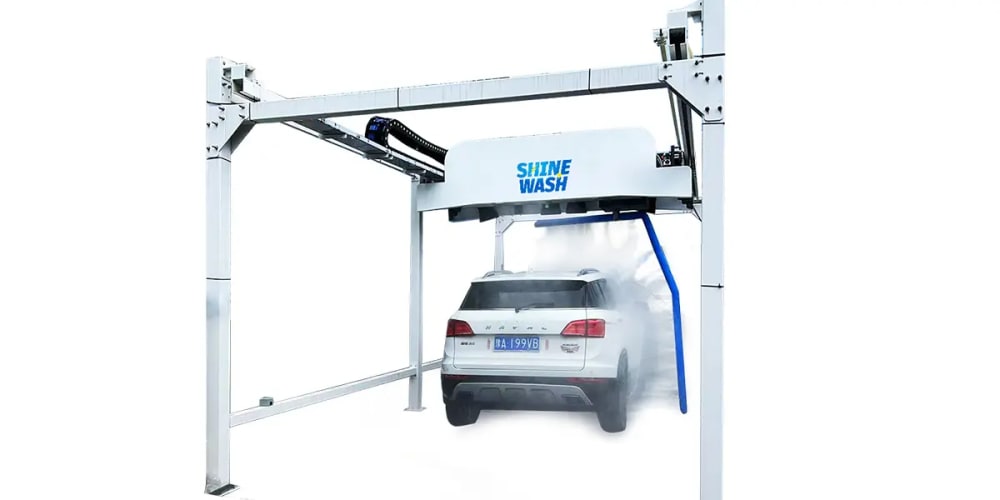
Maintaining a clean vehicle is essential not only for appearance but also for preserving its exterior, protecting paintwork, and maintaining resale value. Over the years, car washing methods have evolved significantly, transitioning from traditional hand washing to automated systems designed for speed, efficiency, and convenience. Among these modern solutions, the touchless car wash has gained popularity due to its ability to clean vehicles without physically touching the car’s surface.
This article explores what a touchless car wash is, how it works, its benefits, potential drawbacks, comparison with other car wash methods, and whether it is the right choice for vehicle owners.
Understanding a Touchless Car Wash
A touchless car wash is an automated car cleaning system that uses high-pressure water jets and specialized cleaning chemicals to wash vehicles without the use of brushes, cloth strips, or physical scrubbing tools. Unlike traditional automatic car washes that rely on mechanical contact to remove dirt and grime, touchless systems depend entirely on water pressure and chemical detergents.
The primary goal of this technology is to minimize the risk of scratches, swirl marks, or paint damage that can occur when physical cleaning materials make contact with the car’s surface.
Touchless car washes are commonly found at gas stations, dedicated car wash facilities, and self-service wash centers. They are particularly popular among vehicle owners who want to maintain the condition of their car’s paint and finish.
How a Touchless Car Wash Works
Touchless car wash systems operate through a carefully designed automated process. Although exact procedures may vary between facilities, most touchless car washes follow similar steps.
Pre-Soak Application
The first stage involves applying a pre-soak solution to the vehicle. This chemical mixture is designed to loosen dirt, mud, grease, road salt, and other contaminants from the car’s surface. The pre-soak is sprayed using high-pressure nozzles that cover the entire vehicle.
This step is critical because, without physical scrubbing, the chemicals must effectively break down stubborn debris.
High-Pressure Water Rinse
After the pre-soak is applied, powerful water jets rinse the vehicle. These jets are strategically positioned to ensure coverage of every angle, including hard-to-reach areas such as wheel wells and undercarriages.
High-pressure water plays a major role in dislodging dirt particles that have been loosened by the cleaning solution.
Detergent and Cleaning Chemicals
Following the initial rinse, specialized detergents are applied to remove remaining dirt and contaminants. These chemicals are formulated to dissolve oils, road grime, bird droppings, and environmental pollutants.
Touchless systems typically use stronger chemical solutions compared to brush-based systems because they rely solely on chemical action rather than mechanical scrubbing.
Final Rinse
Once the cleaning chemicals have done their job, the vehicle undergoes a final rinse using clean water. Many modern touchless car washes use spot-free rinse water, which is filtered and deionized to prevent water spots and streaks after drying.
Drying Process
The last stage involves drying the vehicle using powerful air blowers. These blowers remove most of the remaining water from the vehicle’s surface, leaving it clean and dry.
Some facilities also offer additional features such as wax application or protective coatings during the final stage.
Key Features of Touchless Car Wash Systems
Touchless car wash systems incorporate several advanced technologies that make them efficient and safe for modern vehicles.
Advanced Spray Nozzles
Modern touchless systems use rotating or oscillating spray arms equipped with precision nozzles. These nozzles are designed to deliver water and chemicals evenly across the vehicle.
Automated Sensors
Many touchless car washes use sensors to detect the size and shape of the vehicle. These sensors help adjust the spray pattern to ensure thorough cleaning while minimizing water and chemical waste.
Chemical Cleaning Technology
Specially engineered cleaning agents play a crucial role in touchless washing. These chemicals are designed to break down contaminants quickly without damaging the car’s paint or finish.
Eco-Friendly Water Systems
Some touchless car wash facilities incorporate water recycling systems to reduce water consumption and environmental impact.
Benefits of Touchless Car Washes
Touchless car washes offer several advantages that make them appealing to vehicle owners.
Reduced Risk of Paint Damage
One of the biggest benefits of touchless car washes is the reduced risk of scratches and swirl marks. Since there is no physical contact with the car’s surface, the likelihood of paint damage is significantly lower compared to brush-based systems.
This makes touchless washing especially suitable for luxury vehicles, freshly painted cars, and vehicles with delicate finishes.
Convenience and Speed
Touchless car washes are quick and efficient. Most automated touchless systems can clean a vehicle in just a few minutes, making them ideal for busy individuals who want fast results.
Effective Cleaning for Light to Moderate Dirt
Touchless systems are highly effective at removing everyday dirt, dust, road salt, and light grime. For vehicles that are washed regularly, touchless cleaning can maintain cleanliness without requiring manual scrubbing.
Access to Hard-to-Reach Areas
High-pressure water jets can reach areas that are often difficult to clean by hand, such as wheel wells, undercarriages, and intricate body contours.
Hygienic Cleaning Method
Since touchless car washes do not use brushes or cloth strips that may accumulate dirt from previous vehicles, they reduce the risk of transferring contaminants between cars.
Potential Drawbacks of Touchless Car Washes
While touchless car washes offer numerous benefits, they also have some limitations.
Limited Effectiveness on Heavy Dirt
Touchless systems may struggle to remove stubborn dirt, thick mud, or dried debris. Without physical scrubbing, certain contaminants may remain on the vehicle’s surface.
Strong Chemical Usage
Touchless car washes often rely on stronger cleaning chemicals to compensate for the lack of physical contact. While these chemicals are generally safe for automotive finishes, excessive exposure over time may affect protective coatings or wax layers.
Higher Water Pressure Concerns
High-pressure water jets can potentially force water into small openings or damaged seals, which may lead to minor issues in rare cases.
Additional Cost
Touchless car washes may be slightly more expensive than basic automatic brush washes due to advanced equipment and chemical formulations.
Touchless Car Wash vs. Traditional Automatic Car Wash
Understanding the differences between touchless and traditional automatic car washes can help vehicle owners make informed decisions.
Cleaning Method
Traditional automatic car washes use rotating brushes or cloth strips that physically scrub the vehicle’s surface. Touchless systems rely entirely on water pressure and chemicals.
Risk of Scratches
Brush-based systems carry a higher risk of scratches because debris trapped in brushes can rub against the car’s paint. Touchless systems minimize this risk.
Cleaning Power
Traditional automatic washes may provide deeper cleaning for heavily soiled vehicles due to mechanical scrubbing. Touchless washes are more suitable for regular maintenance cleaning.
Maintenance of Car Finish
Touchless washing is generally safer for maintaining high-quality paint finishes, ceramic coatings, and protective layers.
Touchless Car Wash vs. Hand Washing
Hand washing is often considered the most thorough cleaning method, but it requires time, effort, and proper technique.
Cleaning Thoroughness
Hand washing allows for detailed cleaning and manual removal of stubborn contaminants. Touchless washing offers convenience but may not match the precision of hand washing.
Risk of Human Error
Improper hand washing techniques, such as using dirty sponges or rough materials, can damage paint. Touchless systems eliminate this risk by automating the process.
Time and Effort
Touchless car washes require minimal effort and are significantly faster than hand washing.
Water Usage
Professional touchless car washes often use water recycling systems, making them more environmentally efficient than home hand washing.
Are Touchless Car Washes Safe for All Vehicles?
Touchless car washes are generally safe for most modern vehicles, including:
- Luxury and high-end vehicles
- Vehicles with custom paint jobs
- Cars with ceramic coatings or protective films
- Electric vehicles
- SUVs, trucks, and sedans
However, vehicles with existing paint damage, loose trim, or damaged seals should be inspected before using high-pressure washing systems.
Tips for Getting the Best Results from a Touchless Car Wash
To maximize the effectiveness of a touchless car wash, vehicle owners can follow several helpful tips.
Wash Your Car Regularly
Touchless systems perform best when dirt and grime do not accumulate excessively. Regular washing prevents stubborn contaminants from building up.
Choose High-Quality Car Wash Facilities
Not all touchless car washes are the same. Facilities with modern equipment and well-maintained systems usually provide better results.
Select Additional Services
Many touchless car washes offer add-ons such as wax coatings, sealants, or tire cleaning. These services can enhance protection and improve appearance.
Inspect Your Vehicle Before and After Washing
Checking your vehicle helps ensure that there are no loose parts or existing damage that could worsen during high-pressure cleaning.
Environmental Impact of Touchless Car Washes
Touchless car washes can be environmentally friendly when properly managed. Many facilities incorporate sustainable practices such as:
- Water recycling systems
- Controlled chemical usage
- Reduced water waste compared to home washing
- Proper disposal of contaminants and runoff
Using professional car wash facilities can help reduce environmental pollution caused by washing vehicles at home, where chemicals and dirty water may enter storm drains.
The Future of Touchless Car Wash Technology
The car wash industry continues to innovate, and touchless systems are evolving with advanced technologies. Future developments may include:
- Improved chemical formulations that require less environmental impact
- Enhanced sensor systems for precise cleaning
- Artificial intelligence integration for optimized washing cycles
- Faster and more energy-efficient drying technologies
- Smart payment and mobile app integration for customer convenience
These advancements are expected to make touchless car washes even more efficient and accessible.
Who Should Use a Touchless Car Wash?
Touchless car washes are ideal for:
- Vehicle owners who want to protect their paint finish
- Individuals seeking quick and convenient cleaning
- Owners of luxury or newly painted vehicles
- Drivers who wash their cars regularly
- People who prefer automated, hands-free solutions
However, vehicles with heavy mud or significant dirt buildup may require manual pre-cleaning or hand washing for best results.
Conclusion
A touchless car wash represents a modern, convenient, and safe method of cleaning vehicles without physical contact. By using high-pressure water jets and specialized cleaning chemicals, touchless systems reduce the risk of scratches and paint damage while offering fast and efficient cleaning.
Although touchless car washes may not always remove heavy dirt as effectively as manual or brush-based methods, they provide an excellent solution for regular vehicle maintenance. With advancements in technology and environmentally friendly practices, touchless car washes continue to grow in popularity among car owners worldwide.
For drivers who value convenience, paint protection, and modern automation, a touchless car wash can be a reliable and practical choice. By understanding how these systems work and selecting high-quality facilities, vehicle owners can enjoy a clean, well-maintained car while minimizing the risk of surface damage.