
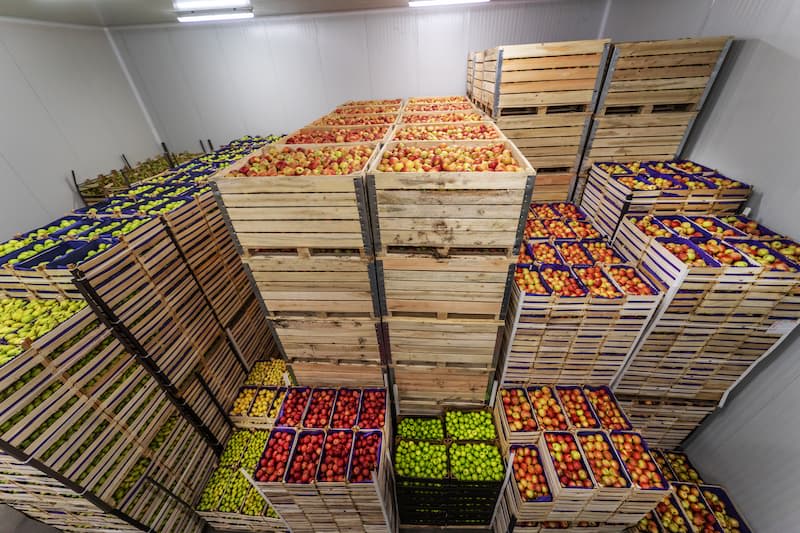
Food storage is one of the most critical aspects of maintaining food safety, preserving nutritional value, and preventing contamination. Whether in a home kitchen, restaurant, or food production facility, storing food in the wrong place can lead to spoilage, bacterial growth, cross-contamination, and even serious health risks. Understanding which areas are inappropriate for storing food—and why—is essential for anyone who handles food regularly.
This in-depth guide explores the environments and locations that should never be used for food storage, the risks associated with improper storage, and practical recommendations to ensure your food remains safe and fresh.
Why Proper Food Storage Matters
Before diving into inappropriate storage areas, it’s important to understand why proper food storage is so crucial.
Food is highly sensitive to environmental conditions such as temperature, humidity, light, and exposure to contaminants. When stored incorrectly, food can:
- Develop harmful bacteria like Salmonella or E. coli
- Spoil faster due to moisture or heat exposure
- Absorb odors or chemicals from surrounding environments
- Become contaminated by pests or unsanitary surfaces
Proper storage ensures that food remains safe to consume, maintains its flavor and texture, and reduces waste.
Characteristics of Unsafe Food Storage Areas
Certain environmental factors make an area unsuitable for storing food. These include:
- High temperatures or temperature fluctuations
- Excess moisture or humidity
- Poor ventilation
- Exposure to chemicals or toxins
- Presence of pests
- Lack of cleanliness or sanitation
- Direct sunlight or UV exposure
Any area that exhibits one or more of these characteristics should be avoided when storing food.
Inappropriate Areas for Storing Food
1. Bathrooms and Restrooms
Bathrooms are among the most inappropriate places to store food.
Why Bathrooms Are Unsafe
- High levels of bacteria and pathogens
- Frequent exposure to moisture and humidity
- Aerosolized particles from flushing toilets
- Cleaning chemicals stored nearby
Even sealed food items can become contaminated due to airborne bacteria and moisture.
Common Mistake
Some people temporarily place groceries in a bathroom due to lack of space. This should always be avoided, even for short periods.
2. Near Cleaning Supplies and Chemicals
Food should never be stored near cleaning products, pesticides, or other chemicals.
Risks Involved
- Chemical contamination through spills or fumes
- Absorption of toxic odors into food
- Accidental mixing or misidentification
Even tightly sealed containers can sometimes absorb chemical vapors, especially over time.
Best Practice
Always store food and chemicals in completely separate cabinets or areas.
3. Under the Sink
The space under kitchen or bathroom sinks is often misused for storage.
Why It’s Problematic
- Frequent leaks or moisture buildup
- Presence of cleaning agents and detergents
- Limited airflow, leading to mold growth
Even dry foods can become damp and spoil quickly in such environments.
4. Garages and Outdoor Storage Areas
Garages may seem convenient for bulk storage, but they are rarely suitable for food.
Key Concerns
- Extreme temperature fluctuations
- Exposure to pests like rodents and insects
- Dust, dirt, and automotive chemicals
- Poor insulation
Foods stored in garages can spoil quickly or become contaminated without visible signs.
Exception
Some shelf-stable, sealed items may be stored in controlled garage environments, but this is not generally recommended.
5. Near Trash Bins
Storing food near garbage areas is highly unsanitary.
Risks
- Bacterial contamination
- Attraction of pests
- Unpleasant odors transferring to food
Even if food is packaged, proximity to waste increases contamination risks significantly.
6. Direct Sunlight or Near Heat Sources
Areas exposed to heat or sunlight are unsuitable for most foods.
Examples of Heat Sources
- Ovens and stoves
- Radiators and heaters
- Windows with strong sunlight
Effects on Food
- Accelerated spoilage
- Nutrient degradation
- Melting or texture changes
- Increased risk of bacterial growth
Pantries and storage cabinets should always be kept cool and shaded.
7. Damp Basements
Basements are commonly used for storage, but not all are suitable for food.
Issues with Basements
- High humidity levels
- Risk of mold and mildew
- Poor air circulation
- Potential flooding
These conditions can damage packaging and promote spoilage.
When It’s Acceptable
Only dry, climate-controlled basements with proper shelving and pest control should be considered.
8. Open or Uncovered Areas
Leaving food exposed in open areas is another major mistake.
Dangers
- Exposure to airborne contaminants
- Increased risk of pest infestation
- Dust accumulation
- Cross-contamination from nearby activities
Food should always be stored in sealed containers or covered properly.
9. Refrigerators That Are Overcrowded
While refrigerators are generally safe, overcrowding can make them ineffective.
Problems Caused
- Poor air circulation
- Uneven cooling
- Increased risk of cross-contamination
Food may not stay at safe temperatures, especially perishable items.
Best Practice
Keep enough space between items to allow proper airflow.
10. Floors and Ground-Level Storage
Storing food directly on the floor is unsanitary and unsafe.
Why It’s Inappropriate
- Exposure to dirt and bacteria
- Increased risk of pests
- Difficulty in cleaning and monitoring
Food should always be stored on shelves at least a few inches above the ground.
11. Near Raw Meat or Unsealed Foods
Improper placement within storage areas can also be problematic.
Cross-Contamination Risks
- Juices from raw meat contaminating other foods
- Transfer of bacteria between items
- Unsafe mixing of food categories
Safe Storage Tip
Store raw meat separately, ideally on the lowest shelf in a refrigerator to prevent dripping.
12. Areas with Poor Ventilation
Poor airflow can create stagnant conditions that encourage spoilage.
Consequences
- Increased humidity
- Mold growth
- Odor buildup
Proper ventilation helps maintain a stable environment for food storage.
13. Near Pets or Animal Areas
Food stored near pet feeding areas or animal habitats is at risk.
Risks
- Contamination from pet saliva or fur
- Exposure to pet waste
- Increased likelihood of pests
Food for humans should always be kept separate from pet-related areas.
14. Inside Vehicles
Leaving food inside cars, especially for extended periods, is unsafe.
Problems
- Rapid temperature changes
- Exposure to sunlight
- Risk of spoilage within hours
This is particularly dangerous for perishable items like dairy, meat, and cooked food.
15. Unclean or Cluttered Storage Spaces
Cleanliness plays a vital role in food safety.
Issues with Cluttered Areas
- Difficulty in identifying expired items
- Increased risk of pests
- Reduced airflow
- Cross-contamination
Regular cleaning and organization are essential for safe storage.
Environmental Factors That Make Areas Unsafe
Temperature
Most foods require specific temperature ranges:
- Refrigerated foods: below 5°C (41°F)
- Frozen foods: below -18°C (0°F)
- Dry goods: cool, stable room temperature
Any area that cannot maintain these ranges is unsuitable.
Humidity
High humidity encourages mold growth and spoilage, while extremely dry conditions can affect texture and quality.
Light Exposure
Light, especially sunlight, can degrade nutrients and alter food quality over time.
Air Quality
Airborne contaminants, including dust, chemicals, and bacteria, can compromise food safety.
Consequences of Improper Food Storage
Storing food in inappropriate areas can lead to serious outcomes:
1. Foodborne Illness
Contaminated food can cause illnesses ranging from mild discomfort to severe health conditions.
2. Food Waste
Spoiled food must be discarded, leading to financial loss and environmental impact.
3. Pest Infestations
Improper storage attracts insects and rodents, creating further hygiene issues.
4. Loss of Nutritional Value
Heat, light, and air exposure can degrade vitamins and minerals.
5. Legal and Health Violations
In commercial settings, improper storage can result in fines, closures, or legal consequences.
Best Practices for Safe Food Storage
To avoid inappropriate storage areas, follow these guidelines:
Keep Food in Designated Storage Areas
- Use pantries, refrigerators, and freezers appropriately
- Avoid multipurpose or high-risk locations
Use Proper Containers
- Airtight, food-grade containers
- Clearly labeled items with dates
Maintain Cleanliness
- Regularly clean storage spaces
- Remove expired or spoiled food promptly
Control Temperature and Humidity
- Use thermometers if needed
- Avoid areas with extreme conditions
Organize Effectively
- Store similar items together
- Follow the “first in, first out” principle
Protect Against Pests
- Seal entry points
- Use pest control measures when necessary
Common Myths About Food Storage Areas
“Sealed Food Can Be Stored Anywhere”
Even sealed food can absorb odors or be affected by temperature and humidity.
“Garages Are Fine for Dry Goods”
Unless climate-controlled, garages expose food to harmful conditions.
“Short-Term Storage Doesn’t Matter”
Even brief exposure to unsafe environments can compromise food safety.
Conclusion
Understanding which areas are inappropriate for storing food is essential for maintaining safety, quality, and hygiene. Locations such as bathrooms, garages, under sinks, near chemicals, or in direct sunlight pose serious risks that should never be ignored.
Safe food storage isn’t just about convenience—it’s about protecting health and preventing contamination. By recognizing unsafe environments and adopting proper storage practices, you can ensure that your food remains fresh, nutritious, and safe to consume.
Making small adjustments in where and how you store food can have a significant impact on overall food safety. Whether at home or in a professional setting, awareness and consistency are key to avoiding the dangers of improper food storage.