
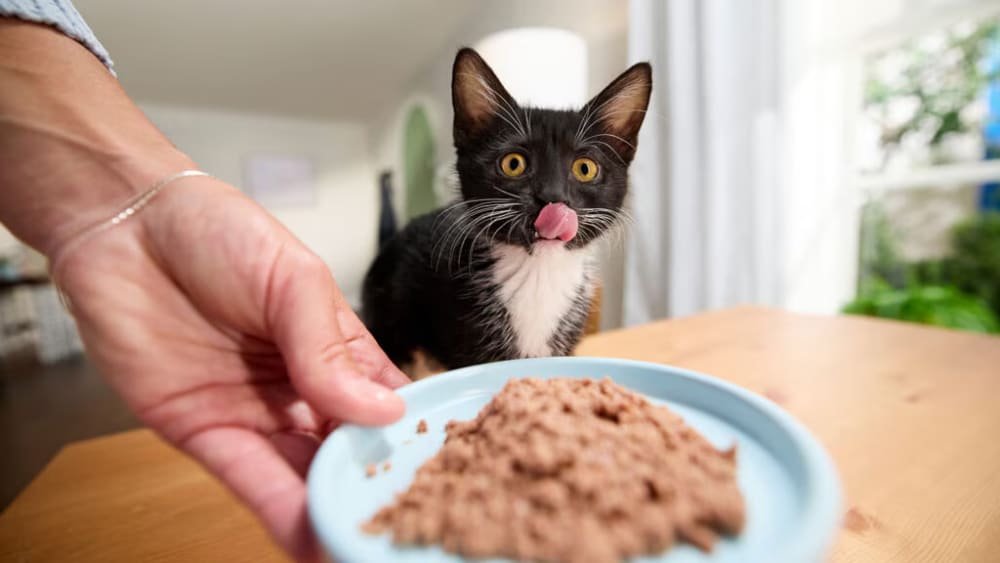
When it comes to feline nutrition, one of the most common questions pet owners ask is: Can adult cats eat kitten food? At first glance, it might seem harmless—after all, both are formulated for cats. However, the nutritional needs of kittens and adult cats differ significantly, and feeding the wrong type of food over time can have serious consequences.
In this in-depth guide, we’ll explore everything you need to know about feeding kitten food to adult cats. From nutritional differences to health implications and expert recommendations, this article will help you make the best decision for your feline companion.
Understanding the Difference Between Kitten Food and Adult Cat Food
Before answering the main question, it's essential to understand why kitten food and adult cat food exist as separate categories.
Nutritional Needs of Kittens
Kittens are in a rapid growth phase, which means they require:
- Higher protein levels for muscle development
- Increased fat content for energy
- Extra calories to support growth
- More vitamins and minerals like calcium and phosphorus for bone development
Kitten food is specifically formulated to meet these demands. It’s nutrient-dense and calorie-rich to fuel their fast-paced development.
Nutritional Needs of Adult Cats
Adult cats, on the other hand, have reached full maturity. Their dietary needs focus more on:
- Maintaining a healthy weight
- Supporting organ function
- Preventing chronic diseases
- Balanced nutrient intake without excess calories
Adult cat food is designed to provide maintenance nutrition rather than growth support.
Can Adult Cats Eat Kitten Food?
The Short Answer
Yes, adult cats can eat kitten food—but only occasionally and not as a long-term diet.
Why Feeding Kitten Food to Adult Cats Can Be Problematic
While kitten food is not toxic or harmful in small amounts, feeding it regularly to adult cats can lead to several issues.
1. Excess Calories and Weight Gain
Kitten food is calorie-dense. Adult cats that consume it regularly may:
- Gain excessive weight
- Become obese over time
- Develop related health issues such as diabetes or joint problems
2. Imbalanced Nutritional Intake
Adult cats do not require the same levels of nutrients as kittens. Overconsumption of certain nutrients can lead to:
- Digestive upset
- Nutrient imbalances
- Long-term health complications
3. Strain on Organs
High levels of protein and fat can put extra strain on organs, especially in older cats. This is particularly concerning for cats with:
- Kidney issues
- Liver conditions
- Heart problems
Situations Where Adult Cats Might Eat Kitten Food
There are certain situations where feeding kitten food to an adult cat may actually be beneficial.
1. Pregnant or Nursing Cats
Pregnant and lactating cats have increased nutritional demands, similar to kittens. In such cases:
- Kitten food provides extra calories and nutrients
- It supports milk production and energy levels
2. Underweight or Recovering Cats
If an adult cat is:
- Underweight
- Recovering from illness
- Experiencing appetite loss
Kitten food can help due to its high calorie and nutrient content.
3. Senior Cats With Reduced Appetite
Some older cats struggle to eat enough food. Kitten food may be used temporarily to:
- Encourage eating
- Provide easily digestible nutrients
However, this should always be done under veterinary guidance.
Risks of Long-Term Feeding
Feeding kitten food to adult cats over an extended period can lead to serious health risks.
Obesity
One of the most common consequences is obesity, which can result in:
- Reduced mobility
- Increased risk of diabetes
- Shortened lifespan
Nutritional Imbalance
Over time, an imbalance in nutrients may affect:
- Bone health
- Organ function
- Immune system performance
Behavioral Changes
High-energy diets may lead to:
- Hyperactivity
- Restlessness
- Increased hunger
Can Kittens Eat Adult Cat Food?
While the reverse question often comes up, it's equally important.
The Short Answer
No, kittens should not rely on adult cat food as their primary diet.
Why Not?
Adult cat food lacks:
- Sufficient calories
- Essential nutrients for growth
- Proper vitamin and mineral levels
Feeding adult food to kittens can lead to:
- Stunted growth
- Weak bones
- Developmental issues
How to Transition Between Kitten and Adult Cat Food
Switching your cat’s diet should be done gradually to avoid digestive problems.
When to Transition
Most cats should transition from kitten food to adult food at around:
- 10 to 12 months of age
Step-by-Step Transition
- Day 1–2: 75% kitten food, 25% adult food
- Day 3–4: 50% kitten food, 50% adult food
- Day 5–6: 25% kitten food, 75% adult food
- Day 7+: 100% adult food
This gradual approach helps prevent:
- Upset stomach
- Diarrhea
- Refusal to eat
Signs Your Adult Cat Is Eating the Wrong Food
If your adult cat is consuming kitten food regularly, watch for these signs:
- Rapid weight gain
- Lethargy
- Digestive issues
- Increased thirst or urination
- Poor coat condition
If you notice any of these symptoms, consult a veterinarian immediately.
Choosing the Right Food for Your Adult Cat
Selecting the right food is crucial for your cat’s long-term health.
What to Look For
- High-quality protein sources
- Balanced fat content
- Essential vitamins and minerals
- Age-appropriate formulation
Wet vs Dry Food
Both have benefits:
Wet Food
- Higher moisture content
- Easier to digest
- Good for hydration
Dry Food
- Convenient and cost-effective
- Supports dental health
A combination of both is often ideal.
Common Myths About Cat Food
Myth 1: All Cat Food Is the Same
Not true. Nutritional formulations vary based on age, health, and lifestyle.
Myth 2: More Protein Is Always Better
While protein is essential, too much can be harmful, especially for older cats.
Myth 3: Cats Can Eat Any Stage Food
Cats have specific life-stage requirements that must be met for optimal health.
Expert Recommendations
Veterinarians generally advise:
- Feeding life-stage appropriate food
- Avoiding long-term feeding of kitten food to adult cats
- Monitoring weight and health regularly
- Consulting a vet before making dietary changes
Frequently Asked Questions
Can adult cats eat kitten food occasionally?
Yes, occasional consumption is fine and not harmful.
Is kitten food harmful to adult cats?
Not in small amounts, but long-term use can cause health issues.
Can I mix kitten and adult cat food?
Yes, especially during transitions or under special circumstances.
How much kitten food can an adult cat eat?
Only small amounts and preferably under veterinary guidance.
Final Verdict
So, can adult cats eat kitten food? The answer is yes—but with caution.
While it’s safe for occasional feeding, kitten food is not suitable as a long-term diet for adult cats. Its high calorie and nutrient density can lead to obesity, imbalances, and other health issues if fed regularly.
The best approach is to provide your cat with a diet tailored to their age, weight, and health condition. When in doubt, always consult your veterinarian to ensure your feline friend stays healthy and happy.
Key Takeaways
- Kitten food is richer in calories and nutrients than adult cat food
- Adult cats can eat it occasionally but not regularly
- Long-term feeding may lead to obesity and health issues
- Special cases (pregnancy, illness) may justify temporary use
- Always choose age-appropriate food for optimal health