
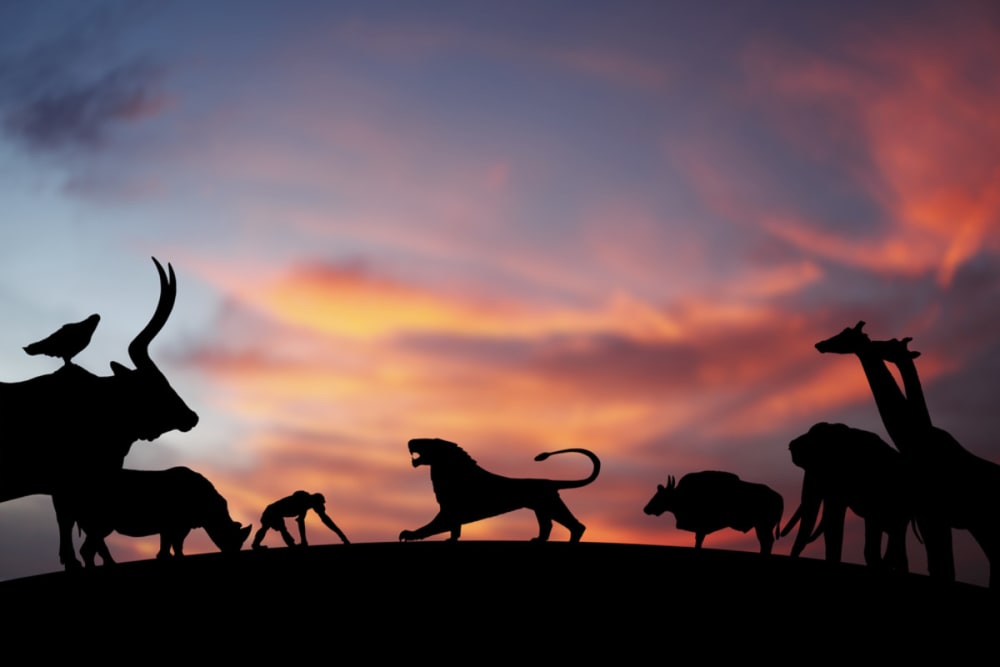
Understanding which animal sits at the top of the food chain is a fascinating way to explore how ecosystems function. The idea of a “top” animal suggests dominance, power, and control—but in nature, things are rarely that simple. The concept is better understood through ecological roles, energy flow, and complex relationships between species.
In this in-depth guide, we’ll explore what it truly means to be at the top of the food chain, identify some of the most powerful apex predators across different environments, and examine why no single animal universally rules them all.
Understanding the Food Chain
A food chain represents the flow of energy from one organism to another. It starts with producers (plants and algae), moves to herbivores (primary consumers), then to carnivores (secondary and tertiary consumers), and ends with apex predators.
Key Levels in a Food Chain
- Producers: Plants, algae, and other organisms that create energy through photosynthesis
- Primary consumers: Herbivores that eat plants
- Secondary consumers: Carnivores that eat herbivores
- Tertiary consumers: Predators that eat other carnivores
- Apex predators: Animals at the top with no natural predators
The “top” of the food chain is occupied by apex predators—species that play a critical role in maintaining ecological balance.
What Is an Apex Predator?
An apex predator is an animal that sits at the highest trophic level in its ecosystem. These animals are not typically preyed upon by other species, making them the dominant hunters in their environments.
Characteristics of Apex Predators
- No natural predators (except humans)
- Highly developed hunting skills
- Strong physical adaptations (speed, strength, stealth)
- Significant influence on ecosystem structure
- Usually low population density due to energy limitations
Apex predators are not just powerful—they are essential for ecosystem health. They regulate prey populations and prevent overgrazing or imbalance.
Is There One Animal at the Top of the Food Chain?
A common misconception is that there is a single animal that sits at the top of the global food chain. In reality, the answer depends on the ecosystem.
Different environments—oceans, forests, savannas, tundras—have their own apex predators. There is no universal “king” of all animals across the planet.
Instead, multiple species dominate their respective habitats.
Apex Predators of the Ocean
The ocean is home to some of the most formidable predators on Earth. Due to its vast size and depth, it supports a wide range of top-tier hunters.
Great White Shark
The great white shark is often considered one of the ocean’s most iconic apex predators.
- Powerful bite force
- Excellent sense of smell
- Capable of detecting electromagnetic fields
- Feeds on fish, seals, and even whales
Despite its reputation, the great white shark is not invincible and can occasionally fall prey to larger predators.
Orca (Killer Whale)
Orcas are widely regarded as the true apex predators of the ocean.
- Highly intelligent and social
- Hunt in coordinated groups (pods)
- Capable of taking down large whales and sharks
- No natural predators
Orcas are incredibly adaptable and can hunt a wide variety of prey, making them arguably the most dominant marine predator.
Apex Predators on Land
On land, apex predators vary depending on the region. Some are solitary hunters, while others rely on teamwork.
Lion
Often referred to as the “king of the jungle,” lions are apex predators in African savannas.
- Hunt in prides
- Take down large herbivores like zebras and buffalo
- Strong social structure
However, lions face competition from other predators and are not always at the absolute top in every situation.
Tiger
Tigers are solitary and extremely powerful predators.
- Exceptional strength and stealth
- Capable of hunting large prey such as deer and wild boar
- Territorial and highly efficient hunters
Tigers are apex predators in many Asian ecosystems.
Wolf
Wolves are highly intelligent pack hunters.
- Use teamwork and strategy
- Control populations of deer and elk
- Play a key role in maintaining ecosystem balance
Wolves demonstrate that cooperation can be just as powerful as brute strength.
Apex Predators of the Sky
Even the skies have their own top predators.
Eagle
Eagles are dominant aerial hunters.
- Sharp vision
- Powerful talons
- Capable of catching fish and small mammals
They are at the top of many aerial food chains, especially in mountainous and forested regions.
Apex Predators in Extreme Environments
Some of the most interesting apex predators live in harsh or unique environments.
Polar Bear
The polar bear dominates the Arctic ecosystem.
- Hunts seals on ice
- Excellent swimmer
- Thick fur and fat for insulation
Polar bears are among the largest land carnivores and have no natural predators in their environment.
Saltwater Crocodile
This reptile is one of the most powerful ambush predators.
- Found in rivers and coastal regions
- Can attack animals on land and in water
- Extremely strong bite
Saltwater crocodiles can take down large mammals and are feared across their range.
The Role of Humans in the Food Chain
Humans occupy a unique position in the food chain. While not traditionally classified as apex predators in a natural sense, humans have become dominant due to intelligence, technology, and adaptability.
Why Humans Are Different
- Use tools and weapons
- Alter ecosystems on a large scale
- Hunt a wide range of species
- No natural predators
Humans can be considered “super predators” because they kill at rates far exceeding other species and impact ecosystems globally.
Keystone Species and Ecosystem Balance
Apex predators often act as keystone species—organisms that have a disproportionately large impact on their environment.
Why Apex Predators Matter
- Prevent overpopulation of prey
- Maintain biodiversity
- Control disease spread among prey populations
- Shape the behavior of other species
For example, the reintroduction of wolves into Yellowstone National Park led to significant ecological improvements, including vegetation recovery and increased biodiversity.
Food Chains vs Food Webs
While the term “food chain” suggests a simple linear structure, real ecosystems are more complex.
What Is a Food Web?
A food web is a network of interconnected food chains. It shows how multiple species interact and depend on each other.
In a food web:
- Animals may occupy multiple trophic levels
- Energy flows in various directions
- Apex predators may still compete with each other
This complexity means that being “at the top” is not always straightforward.
Can Apex Predators Be Challenged?
Although apex predators have no natural predators, they can still face threats.
Natural Challenges
- Injury during hunts
- Competition with other predators
- Disease
- Environmental changes
Human Impact
- Habitat destruction
- Hunting and poaching
- Climate change
- Pollution
Many apex predators are endangered due to human activity, which can destabilize ecosystems.
Examples of Apex Predator Rivalries
In some ecosystems, multiple apex predators coexist and compete.
Lion vs Hyena
- Lions are stronger individually
- Hyenas are more numerous and persistent
- Both compete for food
Orca vs Shark
- Orcas have been observed hunting sharks
- Sharks avoid areas where orcas are present
These rivalries show that even top predators must adapt and compete.
Energy Limitations at the Top
One reason apex predators are rare is due to energy transfer inefficiency.
The 10% Rule
Only about 10% of energy is transferred from one trophic level to the next. This means:
- Fewer animals can exist at higher levels
- Apex predators have smaller populations
- Ecosystems rely heavily on lower levels
This explains why there are many plants, fewer herbivores, and even fewer top predators.
Are Humans the Ultimate Apex Predator?
This question sparks debate among scientists.
Arguments in Favor
- Humans have no natural predators
- Ability to hunt any species
- Global dominance
Arguments Against
- Dependence on agriculture and technology
- Not part of a natural food chain in the traditional sense
- Vulnerable without tools
While humans dominate the planet, their role differs from natural apex predators.
Conclusion: The True Meaning of “Top of the Food Chain”
So, what animal is at the top of the food chain?
The answer is not a single species but a concept. Apex predators occupy the highest level within their specific ecosystems, and many animals share this role across the planet.
From orcas in the ocean to lions on the savanna and eagles in the sky, each ecosystem has its own dominant species. These animals are vital for maintaining balance, controlling populations, and supporting biodiversity.
Rather than searching for one ultimate ruler, it’s more accurate—and more interesting—to understand the interconnected roles that different species play. The food chain is not a ladder with a single winner at the top, but a dynamic system where balance is everything.
In the end, the “top of the food chain” is less about power and more about responsibility. Apex predators are not just hunters—they are guardians of the ecosystems they inhabit.