
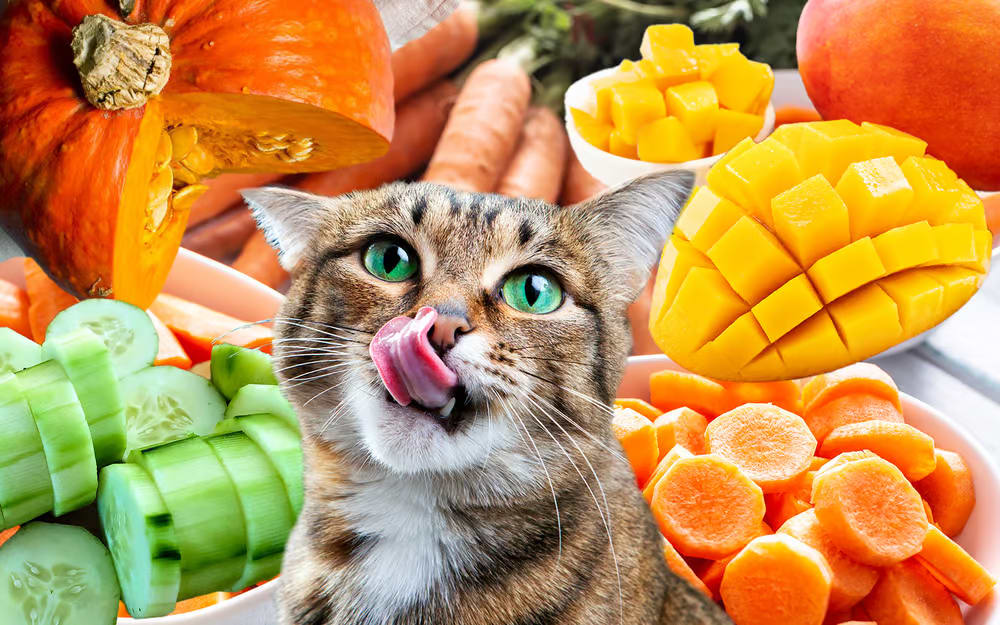
While cats are obligate carnivores and require a diet primarily based on animal protein, certain human foods can complement their nutrition when offered properly. However, not all human foods are safe, and even healthy foods should be given in moderation.
This in-depth guide explores:
- Which human foods cats can eat daily
- How to prepare them safely
- What foods to avoid
- How to balance treats with a complete feline diet
Let’s dive in.
Understanding a Cat’s Nutritional Needs
Before adding human food to your cat’s diet, it’s important to understand what cats actually need to stay healthy.
Cats are obligate carnivores, meaning their bodies are designed to get nutrients primarily from animal tissue. Unlike humans or dogs, cats cannot thrive on plant-based diets. They require specific nutrients found naturally in meat, including:
- Taurine – essential for heart health, vision, and reproduction
- Arachidonic acid – a fatty acid cats cannot synthesize
- Vitamin A (preformed) – must come from animal sources
- High-quality protein – to maintain muscle mass and organ function
Commercial cat food is formulated to meet these needs. Human foods should never replace a balanced cat diet but can serve as occasional supplements or treats, and in some cases, healthy daily additions when chosen carefully.
Can Cats Eat Human Food Every Day?
Yes — some human foods are safe for cats to eat daily, provided:
- They are prepared plainly (no salt, seasoning, garlic, onion, or sauces)
- Portions are small
- They don’t replace nutritionally complete cat food
Human food should make up no more than 10–15% of your cat’s daily calorie intake, unless under veterinary guidance. Overfeeding even healthy foods can cause nutrient imbalances or weight gain.
Best Human Foods Cats Can Eat Every Day
Below are the safest and most beneficial human foods for cats that can be offered daily in appropriate amounts.
1. Cooked Chicken (Skinless, Boneless)
Why it’s good:
Chicken is one of the best protein sources for cats. It’s lean, easy to digest, and packed with essential amino acids.
How to serve:
- Boiled, baked, or steamed
- No salt, spices, oils, garlic, or onion
- Remove skin and bones
- Cut into bite-sized pieces
Daily portion:
1–2 teaspoons for small cats, up to 1 tablespoon for larger cats.
Benefits:
- Supports muscle maintenance
- High in taurine
- Excellent for picky eaters or sick cats
2. Cooked Turkey
Why it’s good:
Turkey is another lean protein similar to chicken and often well tolerated by cats.
How to serve:
- Plain, fully cooked
- No skin, bones, or seasoning
Daily portion:
Similar to chicken — small amounts alongside regular food.
Benefits:
- Easily digestible
- High-quality animal protein
- Good alternative for cats sensitive to chicken
3. Cooked Fish (Salmon, Tuna, Sardines)
Why it’s good:
Fish provides omega-3 fatty acids, which support skin, coat, brain, and joint health.
Safe options:
- Salmon
- Tuna (occasional)
- Sardines (in water, no salt added)
How to serve:
- Fully cooked
- No seasoning or bones
- Avoid smoked, cured, or canned in oil/salt
Daily portion:
A few flakes mixed into food. Fish should not be the main daily protein source due to mercury and nutrient imbalance concerns.
Benefits:
- Promotes shiny fur
- Supports brain and heart health
- Encourages hydration in picky drinkers
4. Cooked Eggs
Why they’re good:
Eggs are a complete protein source and contain essential amino acids and healthy fats.
How to serve:
- Fully cooked (boiled or scrambled without milk, butter, salt, or oil)
- Never raw (raw egg whites contain avidin, which interferes with biotin absorption)
Daily portion:
1–2 teaspoons a few times per week; daily in very small amounts is acceptable.
Benefits:
- Muscle support
- Healthy skin and coat
- Good for cats needing extra protein
5. Plain Cooked Beef or Lamb
Why it’s good:
Red meats provide iron, zinc, and high-quality protein.
How to serve:
- Cook thoroughly
- No seasoning
- Lean cuts only
- Chop finely
Daily portion:
Small amounts as part of a varied diet.
Benefits:
- Supports muscle health
- Good source of iron and B vitamins
- Adds variety to protein sources
6. Plain Cooked Pumpkin
Why it’s good:
Pumpkin is one of the safest vegetables for cats and is excellent for digestive health.
How to serve:
- Plain canned pumpkin (not pumpkin pie filling)
- Or cooked fresh pumpkin, mashed
Daily portion:
½ to 1 teaspoon mixed into food.
Benefits:
- Helps with constipation and diarrhea
- Adds fiber
- Supports gut health
7. Steamed Carrots
Why they’re good:
Carrots are rich in fiber and antioxidants and can support digestion.
How to serve:
- Fully cooked and mashed
- No salt, butter, or seasoning
Daily portion:
½ teaspoon mixed into food occasionally or daily in tiny amounts.
Benefits:
- Gentle fiber source
- Supports digestion
- Adds texture variety
8. Cooked Green Beans
Why they’re good:
Low-calorie and fiber-rich, green beans can be useful for overweight cats.
How to serve:
- Steamed or boiled
- Plain, chopped finely
Daily portion:
1–2 teaspoons as a supplement, not a meal replacement.
Benefits:
- Helps cats feel full
- Low in calories
- Supports healthy digestion
9. Plain Rice (White or Brown)
Why it’s good:
Rice is easy to digest and helpful for cats with upset stomachs.
How to serve:
- Fully cooked
- Plain, no seasoning
Daily portion:
Small spoonfuls mixed into protein, not alone.
Benefits:
- Soothes digestive upset
- Useful during recovery or illness
- Gentle on sensitive stomachs
10. Oatmeal
Why it’s good:
Oatmeal is another digestible grain that can provide fiber.
How to serve:
- Cooked in water, not milk
- No sugar, salt, or flavoring
Daily portion:
½ teaspoon mixed into meals occasionally.
Benefits:
- Supports digestion
- May help regulate bowel movements
- Adds texture variety
11. Plain Yogurt (Unsweetened, Small Amounts)
Why it’s good:
Some cats tolerate dairy in small amounts, and yogurt contains probiotics that may support gut health.
How to serve:
- Plain, unsweetened
- No artificial sweeteners (especially xylitol)
Daily portion:
½ teaspoon occasionally, not ideal for daily feeding due to lactose sensitivity.
Benefits:
- Probiotic support
- May aid digestion in some cats
- Good occasional treat
12. Cottage Cheese (Low Lactose, Plain)
Why it’s good:
Cottage cheese is lower in lactose than milk and provides protein and calcium.
How to serve:
- Plain, no added salt
- Small amounts only
Daily portion:
½ teaspoon a few times a week.
Benefits:
- Protein boost
- Palatable treat for many cats
- Gentle calcium source
Human Foods Cats Can Eat Every Day (Quick Reference)
Here’s a summary of the best daily-safe human foods for cats:
- Cooked chicken
- Cooked turkey
- Cooked eggs
- Small amounts of cooked fish
- Cooked beef or lamb
- Plain pumpkin
- Cooked carrots
- Green beans
- Rice
- Oatmeal
All should be served plain, fully cooked, and in small portions alongside balanced cat food.
Foods Cats Should Only Eat Occasionally
Some human foods are safe but better as occasional treats, not daily staples:
- Cheese
- Bread
- Plain pasta
- Bananas
- Apples (without seeds)
- Blueberries
These foods lack essential nutrients cats need and can contribute to weight gain if fed regularly.
Dangerous Human Foods for Cats (Never Feed)
Some foods that are harmless to humans are toxic or dangerous to cats and should never be offered.
Absolutely Avoid:
- Onions, garlic, leeks, chives – cause red blood cell damage
- Chocolate – toxic to cats
- Grapes and raisins – can cause kidney failure
- Alcohol – extremely dangerous
- Caffeine – toxic stimulant
- Raw dough – expands in stomach, produces alcohol
- Xylitol – artificial sweetener toxic to pets
- Raw meat, fish, or eggs – risk of bacteria and nutrient imbalance
- Bones (cooked or raw) – choking and intestinal injury risk
- Milk and cream – most cats are lactose intolerant
If your cat ingests any of these, contact a veterinarian immediately.
How to Safely Prepare Human Food for Cats
Preparation matters just as much as food choice. Even safe foods can become dangerous if cooked improperly.
Follow These Guidelines:
- Always cook meat thoroughly to kill bacteria
- Avoid seasoning entirely — no salt, spices, sauces, garlic, onion, or herbs
- Remove bones and skin
- Serve plain
- Cut food into small, manageable pieces
- Introduce new foods gradually
Cats have sensitive digestive systems, and sudden changes can cause vomiting or diarrhea.
How Much Human Food Should Cats Eat Daily?
Human food should be considered supplemental, not a replacement for cat food.
General Rule:
- Treats and extras: No more than 10–15% of daily calories
- Protein-based additions (like chicken): A tablespoon or less per day for most cats
Your cat’s size, activity level, and health status will influence portion sizes. Always consult a veterinarian if your cat has:
- Kidney disease
- Diabetes
- Food allergies
- Gastrointestinal issues
Can Kittens Eat Human Food?
Kittens have very specific nutritional requirements and should rely primarily on commercial kitten food formulated for growth.
However, small amounts of:
- Plain cooked chicken
- Scrambled eggs (plain)
Can be offered occasionally, but not as a dietary staple. Always prioritize kitten-formulated food during the growth phase.
Can Senior Cats Eat Human Food?
Yes — and in some cases, human food can be helpful for senior cats who have:
- Reduced appetite
- Dental issues
- Trouble chewing dry kibble
Soft foods like:
- Shredded chicken
- Mashed pumpkin
- Scrambled eggs
Can make meals easier and more appealing. However, older cats are more likely to have medical conditions, so dietary changes should be reviewed with a veterinarian.
Signs Your Cat Is Not Tolerating a Food Well
Even safe foods may not suit every cat. Watch for:
- Vomiting
- Diarrhea
- Excess gas
- Lethargy
- Loss of appetite
- Itching or skin irritation
If symptoms persist after feeding a new food, stop offering it and consult your veterinarian.
Balancing Human Food with Commercial Cat Food
While adding human food can enrich your cat’s diet, it should never replace nutritionally complete cat food.
Why Commercial Food Is Essential:
- Contains balanced taurine, vitamins, minerals, and fatty acids
- Designed to meet feline nutritional requirements
- Prevents nutrient deficiencies over time
Human food works best as:
- A topper for dry or wet food
- A high-value training treat
- A way to encourage hydration and appetite
- A supplement during illness or recovery
But the foundation of your cat’s diet should always remain high-quality commercial cat food or a vet-approved homemade diet.
Homemade Cat Meals vs Human Food Scraps
There’s an important difference between:
- Feeding occasional human food scraps, and
- Preparing nutritionally complete homemade cat meals
While plain chicken or eggs can be healthy supplements, homemade diets require careful balancing of nutrients, especially taurine, calcium, and vitamins. Feeding only human food long-term without proper formulation can lead to:
- Heart disease
- Vision problems
- Bone weakness
- Immune system issues
If you’re interested in home-prepared cat diets, consult a veterinary nutritionist.
Sample Daily Meal Additions Using Human Food
Here are some balanced ways to incorporate human food safely:
Example 1: Protein Boost
- Wet cat food
- Topped with 1 tablespoon plain shredded chicken
Example 2: Digestive Support
- Dry cat food
- Mixed with ½ teaspoon pumpkin puree
Example 3: Senior Cat Soft Meal
- Warmed wet food
- Mixed with scrambled egg (plain)
These combinations add flavor and nutrition without disrupting dietary balance.
Frequently Asked Questions
Can cats eat human food instead of cat food?
No. Human food alone does not provide all the essential nutrients cats need, especially taurine. It should only supplement a balanced diet.
Is it safe to feed cats cooked meat every day?
Yes, in small portions, as long as it’s plain, fully cooked, and not replacing complete cat food.
Can cats eat canned tuna every day?
No. Tuna lacks essential nutrients and can lead to mercury exposure and nutritional imbalances if fed daily. Use only as an occasional treat.
Can cats eat vegetables regularly?
Yes, small amounts of safe vegetables like pumpkin, carrots, and green beans can be fed regularly but should never dominate the diet.
Why do cats like human food so much?
Human food often smells stronger, contains fats, and has different textures that stimulate a cat’s senses. However, preference does not equal nutritional adequacy.
Final Thoughts: What Human Food Can Cats Eat Every Day?
Cats thrive on meat-based diets, and the safest human foods for daily feeding are plain, cooked animal proteins such as chicken, turkey, eggs, and small amounts of fish. Fiber-rich vegetables like pumpkin and green beans can also support digestion when used sparingly.
The key principles to remember:
- Plain and unseasoned only
- Fully cooked
- Small portions
- Never replace complete cat food
Used thoughtfully, human food can enhance your cat’s meals, strengthen your bond, and support overall health — but balance and moderation are essential.
If you’re ever unsure whether a food is safe for your cat, it’s always best to consult your veterinarian before introducing it into their diet.