
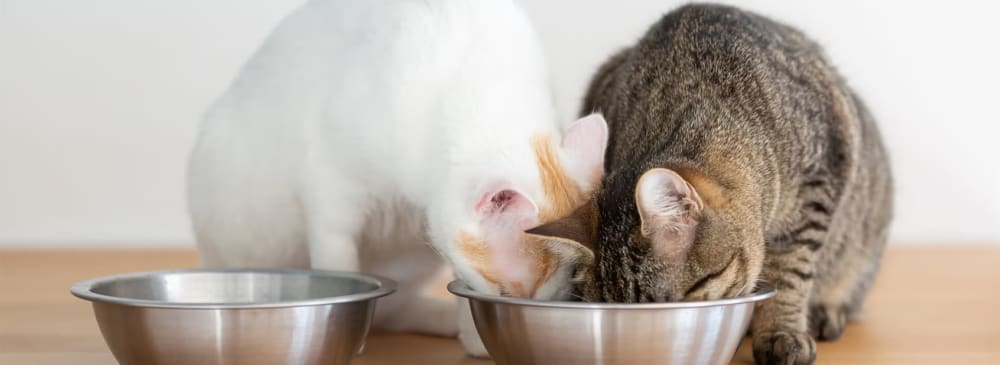
Cats are famously independent creatures, but when it comes to nutrition, they are far more delicate than many people realize. A missed meal here and there may not seem like a big deal, yet prolonged food deprivation in cats can quickly become life-threatening. Whether your cat is sick, stressed, picky, or you’re worried because they haven’t eaten in a day or two, understanding how long a cat can go without food — and what risks are involved — is essential for every cat owner.
This in-depth guide explores how long cats can survive without food, why fasting is especially dangerous for them, warning signs to watch for, and what to do if your cat stops eating.
Quick Answer: How Long Can a Cat Go Without Food?
In general:
- A healthy adult cat may survive 1–2 weeks without food if they are still drinking water.
- However, serious health complications can begin after just 24–48 hours of not eating.
- After 3–5 days, the risk of life-threatening conditions — especially liver failure — increases dramatically.
Unlike humans and even dogs, cats are not well-equipped to handle fasting. What might seem like a short hunger strike can quickly escalate into a medical emergency.
Why Cats Cannot Safely Go Long Without Food
Cats are obligate carnivores, meaning their bodies are designed to get essential nutrients — especially protein and certain amino acids — from animal-based food sources. They lack the metabolic flexibility to switch energy sources efficiently when food intake stops.
Here’s why prolonged fasting is so dangerous for cats:
- Their bodies break down fat differently than other animals.
- Their livers are easily overwhelmed by fat mobilization.
- They require consistent protein intake to maintain normal organ function.
- Even short-term starvation can trigger severe metabolic disorders.
One of the most serious risks is a condition called hepatic lipidosis, also known as fatty liver disease, which can develop in as little as 48–72 hours without adequate food intake.
What Happens to a Cat’s Body When They Stop Eating?
Understanding what occurs inside your cat’s body during starvation highlights why prompt intervention is so critical.
First 12–24 Hours: Energy Shift
When a cat misses meals:
- Blood sugar levels begin to drop.
- The body starts using stored glycogen (carbohydrates) for energy.
- Appetite suppression may occur due to stress, illness, or nausea.
At this stage, outward signs may be subtle, and some cats may still act relatively normal.
24–48 Hours: Fat Breakdown Begins
As glycogen stores are depleted:
- The body begins breaking down fat for energy.
- Fat is transported to the liver to be processed.
- Cats are inefficient at handling this metabolic shift.
This stage marks the beginning of significant physiological stress and is when veterinary concern typically begins.
48–72 Hours: High Risk of Liver Damage
After two to three days without food:
- Fat accumulates in liver cells.
- Liver function becomes impaired.
- Toxins are no longer efficiently cleared from the bloodstream.
- Appetite often worsens instead of improving.
This is the window when hepatic lipidosis may start to develop, particularly in overweight cats.
Beyond 3–5 Days: Organ Failure Risk
Without intervention:
- Liver failure may progress rapidly.
- Muscle wasting accelerates.
- Immune function weakens.
- Electrolyte imbalances may occur.
- Dehydration often follows reduced water intake.
At this stage, survival becomes increasingly unlikely without aggressive veterinary treatment, including feeding tubes and intravenous fluids.
How Long Can a Cat Go Without Water?
While food deprivation is extremely dangerous, lack of water is even more immediately life-threatening.
- Cats can typically survive only 2–4 days without water.
- Dehydration can become critical in as little as 24 hours, especially in kittens, seniors, or cats with kidney disease.
If your cat is not drinking water in addition to not eating, emergency veterinary care is needed immediately.
Factors That Affect How Long a Cat Can Go Without Food
Not all cats respond the same way to fasting. Several factors influence how quickly complications develop.
Age
- Kittens have minimal fat reserves and fast metabolisms. Missing even one day of food can be dangerous.
- Senior cats often have underlying medical conditions and reduced physiological reserves, making fasting riskier.
Body Condition
- Overweight cats are at the highest risk of fatty liver disease when food intake stops.
- Underweight cats have fewer energy reserves and can deteriorate quickly due to muscle loss.
Ironically, overweight cats are not better protected — they are often more vulnerable to metabolic collapse.
Underlying Health Conditions
Cats with the following conditions are at increased risk:
- Diabetes
- Kidney disease
- Hyperthyroidism
- Gastrointestinal disorders
- Cancer
- Liver disease
- Dental disease
These cats require particularly prompt attention if appetite decreases.
Hydration Status
A cat that is still drinking water will fare better than one who is not, but hydration alone does not protect against liver disease or muscle wasting.
Stress and Environment
Cats are extremely sensitive to changes in their environment. Stressors that can suppress appetite include:
- Moving to a new home
- Boarding or hospitalization
- New pets or people
- Changes in routine
- Loud noises or construction
- Litter box issues
Stress-related anorexia can become dangerous if it persists beyond 24 hours.
What Is Hepatic Lipidosis (Fatty Liver Disease)?
Hepatic lipidosis is the most serious and common complication of prolonged anorexia in cats.
How It Develops
When a cat stops eating:
- Fat is mobilized from storage to provide energy.
- The liver attempts to process this fat.
- Cats lack sufficient enzymes to handle large fat loads.
- Fat accumulates inside liver cells.
- Liver function declines rapidly.
This creates a vicious cycle — as the liver fails, appetite decreases further, worsening the condition.
Symptoms of Fatty Liver Disease
Common signs include:
- Complete or near-complete loss of appetite
- Weight loss
- Lethargy
- Vomiting
- Drooling
- Yellowing of the gums, eyes, or skin (jaundice)
- Dehydration
- Weakness or collapse
Without treatment, hepatic lipidosis is often fatal. With aggressive veterinary care, survival is possible but recovery may take weeks to months.
How Long Can a Sick Cat Go Without Food?
A sick cat can deteriorate much faster than a healthy one.
In many cases:
- 12–24 hours of not eating is already concerning
- 24–48 hours without food is an emergency, especially if accompanied by vomiting, lethargy, or dehydration
Illnesses such as infections, gastrointestinal blockages, kidney disease, and dental pain can suppress appetite and quickly lead to complications if not addressed.
How Long Can Kittens Go Without Food?
Kittens are particularly vulnerable.
- Newborn kittens require feeding every 2–4 hours.
- Young kittens (under 8 weeks) should not go more than 12 hours without food.
- Older kittens should not go longer than 24 hours without eating.
Even short periods of fasting can lead to low blood sugar (hypoglycemia), weakness, seizures, and death in kittens. Any kitten that stops eating should be evaluated by a veterinarian immediately.
How Long Can Senior Cats Go Without Food?
Senior cats often have chronic conditions that reduce appetite or interfere with nutrient absorption.
In older cats:
- More than 24 hours without food warrants veterinary attention
- 48 hours can be life-threatening, especially in those with kidney disease, hyperthyroidism, or dental pain
Subtle appetite loss in seniors is often a sign of underlying disease and should never be dismissed.
Signs Your Cat Isn’t Eating Enough
Sometimes cats don’t stop eating entirely but consume far less than they should. This can still be dangerous over time.
Watch for:
- Leaving food untouched or barely eaten
- Sudden food pickiness
- Weight loss
- Reduced energy
- Hiding or withdrawal
- Changes in litter box habits
- Vomiting or diarrhea
- Drooling or pawing at the mouth
Any of these signs lasting more than 24 hours should prompt veterinary evaluation.
Why Do Cats Stop Eating?
There are many reasons a cat may refuse food, ranging from mild to severe.
Common Causes
- Dental pain or oral infections
- Gastrointestinal upset
- Hairballs
- Infections
- Kidney disease
- Liver disease
- Cancer
- Stress or anxiety
- Food aversion after illness
- Recent vaccinations
- Changes in food type or texture
Even seemingly minor causes can quickly become serious if food refusal persists.
What to Do If Your Cat Hasn’t Eaten
Step 1: Monitor Closely (Up to 12–24 Hours)
If your cat skips one meal but otherwise seems normal:
- Offer fresh food.
- Try warming wet food slightly to enhance aroma.
- Ensure water is available and consumed.
- Observe behavior and litter box use.
If appetite returns within a few hours, the issue may be temporary.
Step 2: Try Appetite Stimulation
If your cat hasn’t eaten for several hours:
- Offer favorite foods or strong-smelling options (tuna water, sardines in water, plain cooked chicken).
- Switch between wet and dry food.
- Hand-feed small amounts.
- Reduce stress by offering food in a quiet area.
However, these should only be short-term solutions. Prolonged refusal needs veterinary evaluation.
Step 3: Seek Veterinary Care (24 Hours or Sooner)
Contact your veterinarian immediately if:
- Your cat hasn’t eaten for 24 hours
- Your cat is vomiting, lethargic, or dehydrated
- Your cat is a kitten, senior, or has a chronic illness
- There is weight loss or jaundice
- Your cat hasn’t drunk water for 12–24 hours
Early treatment dramatically improves outcomes.
How Veterinarians Treat Cats Who Aren’t Eating
Treatment depends on the underlying cause and severity but may include:
- Diagnostic testing (blood work, imaging, dental exams)
- Fluids for dehydration
- Anti-nausea medication
- Appetite stimulants
- Pain management
- Nutritional support via syringe feeding or feeding tubes
In cases of hepatic lipidosis, feeding tubes are often placed to deliver adequate nutrition for weeks until the cat can eat independently again.
Can Cats Go on Hunger Strikes Like Humans?
Cats do not intentionally fast for health or detox purposes. Any prolonged food refusal in cats is abnormal and potentially dangerous.
Unlike humans, cats cannot safely use stored fat for energy without overwhelming their liver. This biological limitation makes hunger strikes far more hazardous for them than for people.
Is It Ever Safe for a Cat to Skip Meals?
Occasionally missing one meal is not usually harmful in healthy adult cats, especially if appetite returns quickly. However:
- Skipping more than 24 hours is not considered safe.
- Skipping meals repeatedly or eating very little over several days can cause serious harm.
Cats thrive on consistency — both in diet composition and feeding schedule.
How to Prevent Appetite Loss in Cats
Prevention focuses on maintaining health, minimizing stress, and monitoring behavior closely.
Provide Consistent Nutrition
- Feed high-quality, species-appropriate diets.
- Avoid frequent abrupt food changes.
- Offer both wet and dry food if appropriate.
Maintain Dental Health
Dental disease is a leading cause of appetite loss.
- Schedule regular dental checkups.
- Brush your cat’s teeth if possible.
- Watch for drooling, bad breath, or pawing at the mouth.
Reduce Stress
- Keep feeding routines consistent.
- Provide safe, quiet eating spaces.
- Introduce changes gradually.
- Ensure access to clean litter boxes and water.
Monitor Weight and Eating Habits
- Track your cat’s weight monthly.
- Notice how much food they typically eat.
- Investigate any sustained changes promptly.
Frequently Asked Questions
Can a cat survive 3 days without food?
A cat may survive three days without food, especially if drinking water, but this is already dangerous. By this point, the risk of liver damage and metabolic complications is significant, and veterinary evaluation is strongly recommended.
Can a cat survive a week without food?
Some cats may survive a week without food, but survival does not mean safety. Severe organ damage, muscle loss, immune suppression, and fatty liver disease are likely, and mortality risk increases dramatically. This is considered a medical emergency.
Can cats starve themselves to death?
Yes. Cats can and do starve themselves when ill, stressed, or suffering from pain. Their physiology prevents safe prolonged fasting, making voluntary anorexia potentially fatal if untreated.
Is it normal for cats to stop eating when stressed?
Yes, stress commonly suppresses appetite in cats. However, stress-related anorexia is still dangerous if it lasts more than 24 hours and requires intervention.
Should I force-feed my cat?
Force-feeding without veterinary guidance can be dangerous, especially if your cat is nauseated or at risk of aspiration. If your cat refuses food for more than 24 hours, consult your veterinarian before attempting syringe feeding.
When Is Not Eating an Emergency?
Not eating becomes an emergency when:
- A cat hasn’t eaten for 24 hours or more
- A kitten or senior cat misses meals
- There is vomiting, diarrhea, jaundice, lethargy, or dehydration
- There is known chronic disease
- The cat refuses both food and water
Prompt veterinary care can save lives and prevent long-term damage.
Final Thoughts: How Long Can a Cat Go Without Food?
While cats may technically survive one to two weeks without food, this is extremely misleading — serious, often irreversible damage can begin after just 24–72 hours of not eating. Cats are metabolically fragile and uniquely vulnerable to starvation-related liver disease, muscle wasting, and organ failure.
The key takeaway is this:
If your cat hasn’t eaten for 24 hours, it’s time to call your veterinarian.
Early intervention can mean the difference between a simple recovery and a life-threatening medical crisis. Paying close attention to your cat’s eating habits and acting quickly when something changes is one of the most important things you can do to protect their health and well-being.