
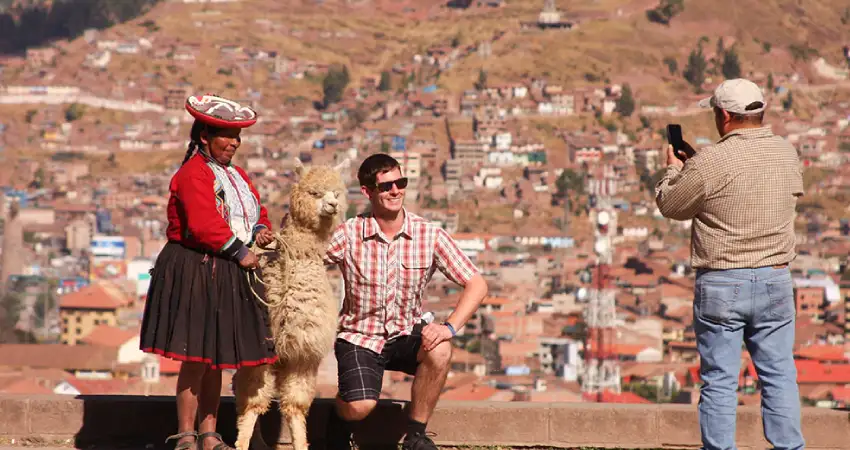
Peru is one of South America’s most fascinating destinations, famous for its ancient civilizations, dramatic landscapes, rich cuisine, and vibrant culture. From the mystical ruins of Machu Picchu to the bustling streets of Lima and the colorful traditions of Cusco, Peru attracts millions of travelers every year. Naturally, many people planning a trip ask an important question: Is Peru safe to travel to?
The short answer is yes, Peru is generally safe for tourists, especially those who stay informed, take sensible precautions, and understand local conditions. Like many popular travel destinations, Peru has areas that are very safe and others where extra caution is required. This in-depth guide explores safety in Peru from every angle, helping you travel confidently and responsibly.
Understanding Overall Safety in Peru
Peru is considered one of the more stable and tourist-friendly countries in South America. Tourism is a major part of the economy, and the government actively works to protect visitors, particularly in popular destinations. Serious violent crime against tourists is uncommon, and most visitors complete their trips without any major issues.
The most common safety concerns in Peru are petty theft, pickpocketing, and scams, particularly in busy cities and crowded tourist areas. These are manageable risks when travelers stay alert and practice basic travel safety habits.
Safety by Popular Tourist Destinations
Safety in Peru can vary depending on where you travel. Some areas are extremely well-developed for tourism, while others are more remote and require additional preparation.
Lima
Lima, the capital city, is often travelers’ first stop. Safety varies significantly by neighborhood.
Safe and tourist-friendly districts include:
- Miraflores
- Barranco
- San Isidro
Cusco
Cusco is one of the safest cities in Peru for tourists. As the gateway to Machu Picchu, it has a strong tourism infrastructure, visible police presence, and a welcoming atmosphere. Petty theft can occur in crowded plazas or markets, but overall Cusco is considered very safe.
Machu Picchu and the Sacred Valley
These areas are among the safest places in the country. Tourism is tightly regulated, and visitors are rarely exposed to crime. Guided tours, controlled entry points, and constant security make this region extremely traveler-friendly.
Arequipa
Arequipa is a clean, well-organized city known for its colonial architecture and relaxed pace. Safety levels are high, and it’s considered one of the safest cities in Peru for travelers.
Amazon Regions (Iquitos and Puerto Maldonado)
The Amazon regions are generally safe when visited with reputable tour operators. Risks here are more environmental than criminal, such as wildlife encounters, heat, and limited medical facilities. Choosing established lodges and guided excursions significantly reduces risk.
Lake Titicaca (Puno)
Puno and Lake Titicaca are generally safe for visitors. Some caution is needed at night, but guided tours and daytime exploration are safe and enjoyable.
Common Safety Concerns for Travelers in Peru
Petty Theft and Pickpocketing
This is the most common issue travelers encounter. Pickpocketing may occur in:
- Crowded markets
- Public transportation
- Tourist hotspots
Scams
Scams are usually non-violent and include:
- Overcharging for taxis
- Fake tour operators
- Currency exchange scams
Transportation Safety
Public transportation in cities can be chaotic. Buses and colectivos are cheap but can be confusing for visitors. Ride-hailing services and registered taxis are safer and more reliable.
Road conditions outside cities vary, and nighttime driving is generally not recommended.
Political Demonstrations
Protests and strikes occasionally occur in Peru, especially in major cities. These demonstrations are usually peaceful but can disrupt transportation. Tourists should avoid protests and monitor local news.
Is Peru Safe for Solo Travelers?
Yes, Peru is safe for solo travelers, including women, provided they take reasonable precautions. Peru is popular with backpackers and solo adventurers, and many travelers report feeling welcomed and supported.
Tips for solo travelers:
- Stay in reputable accommodations
- Avoid isolated areas at night
- Use trusted transportation
- Join group tours for remote regions
Is Peru Safe for Families?
Peru is a wonderful destination for families. Tourist centers are family-friendly, and many attractions are suitable for children. Resorts, guided tours, and cultural experiences cater to families of all ages.
Parents should:
- Monitor children closely in crowded areas
- Prepare for altitude changes
- Choose accommodations with good reviews
Health and Environmental Safety in Peru
Altitude Sickness
One of the most common health challenges in Peru is altitude sickness, especially in Cusco and Puno.
Tips to manage altitude:
- Take it slow during the first few days
- Stay hydrated
- Avoid alcohol initially
- Consider altitude medication if recommended by a doctor
Food and Water Safety
Tap water in Peru is not safe to drink. Bottled water is widely available and inexpensive. Food safety is generally good, especially in popular restaurants, but travelers should:
- Eat freshly cooked food
- Avoid unwashed fruits and vegetables
- Choose busy eateries with good hygiene
Medical Care
Major cities have good private hospitals and clinics. In rural areas, medical facilities may be limited. Travel insurance is strongly recommended for any trip to Peru.
Cultural Awareness and Personal Safety
Understanding local customs enhances both safety and enjoyment.
Dress and Behavior
Peruvians are generally modest in dress, especially outside big cities. Dressing respectfully helps you blend in and avoid unwanted attention.
Language
Spanish is the primary language. Knowing basic phrases can help in emergencies and daily interactions.
Photography
Always ask permission before photographing people, especially in rural or indigenous communities. Avoid taking photos of police or military installations.
Nighttime Safety in Peru
Nighttime safety depends on location. In areas like Miraflores, Cusco’s historic center, and tourist districts, walking short distances at night is generally safe. However:
- Avoid empty streets
- Use taxis or ride-hailing apps after dark
- Stay aware of your surroundings
Natural Risks and Weather Safety
Peru’s geography includes mountains, jungle, and coastline, each with its own risks.
Earthquakes
Peru is located in a seismic zone, and earthquakes can occur. Most buildings are designed with this in mind, and severe damage is rare. Familiarize yourself with emergency procedures in your accommodation.
Weather Conditions
Weather varies dramatically by region. Prepare accordingly:
- Rainy season in the Andes: November to March
- Dry season: April to October
- Amazon region is humid year-round
Tips for Staying Safe While Traveling in Peru
1. Stick to Reputable Accommodations
Choose hotels or hostels with strong reviews and secure facilities.
2. Use Trusted Transportation
Ride-hailing apps and registered taxis are safer than informal options.
3. Keep Valuables Secure
Use hotel safes, money belts, or anti-theft backpacks.
4. Avoid Displaying Wealth
Leave expensive jewelry at home and keep electronics discreet.
5. Stay Informed
Monitor local news and follow guidance from your hotel or tour operator.
6. Carry Copies of Important Documents
Keep digital and paper copies of your passport and insurance.
7. Purchase Travel Insurance
This provides coverage for medical emergencies, theft, and trip disruptions.
Is Peru Safe Compared to Other South American Countries?
Peru is often considered safer than many other South American destinations for tourists. While petty crime exists, violent crime against visitors is relatively rare. The country’s extensive tourism infrastructure, particularly in the Andes and major cities, contributes to its strong safety reputation.
Real Traveler Experiences in Peru
Most travelers describe Peru as:
- Friendly and welcoming
- Easy to navigate with planning
- Rich in culture and history
- Safe when common-sense precautions are followed
Final Thoughts: Is Peru Safe to Travel To?
So, is Peru safe to travel to?
Yes, Peru is a safe and rewarding destination for travelers who plan wisely, stay alert, and respect local customs. Millions of people visit every year to explore ancient ruins, vibrant cities, and breathtaking landscapes without incident.
By sticking to tourist-friendly areas, using reliable services, and following basic safety practices, you can enjoy everything Peru has to offer with confidence. Whether you’re trekking to Machu Picchu, sampling Peruvian cuisine, or exploring the Amazon, Peru offers unforgettable experiences in a generally safe environment.