
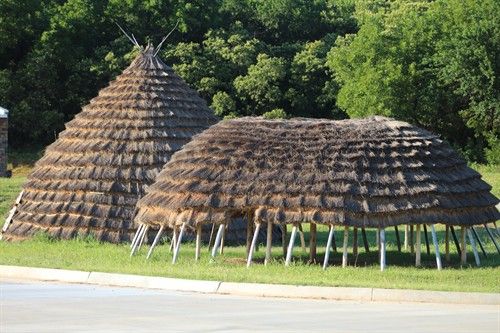
The Wichita tribe, one of the prominent Native American groups in the Great Plains, has a rich cultural and historical heritage. Like many indigenous communities, the Wichita people developed homes that were closely tied to their environment, social structure, and way of life. Understanding the types of homes the Wichita tribe lived in provides insight into their daily routines, survival strategies, and cultural practices. This guide explores the structure, materials, and lifestyle associated with Wichita homes, highlighting how they adapted to the plains region of North America.
The Wichita Tribe: An Overview
Before exploring their homes, it is important to understand the Wichita people. The Wichita tribe historically lived in what is now Kansas, Oklahoma, and northern Texas. They were semi-sedentary, meaning they combined farming, hunting, and trading. Unlike some nomadic Plains tribes who followed buffalo herds exclusively, the Wichita cultivated crops such as corn, beans, and squash, which influenced the type of homes they built.
General Characteristics of Wichita Homes
Wichita homes, often referred to as grass houses, were unique among Plains tribes. They reflected the tribe’s agricultural lifestyle, the climate of the region, and the resources available to them. Key characteristics include:
- Permanent or semi-permanent structures due to farming
- Grass and thatch roofing for insulation and weather resistance
- Wooden frames to provide structure and durability
- Circular or conical shapes to shed rain efficiently
Structure and Design of Wichita Homes
Circular or Conical Shape
Most Wichita homes were circular or conical in design. This shape provided several advantages:
- Wind resistance: The aerodynamic form reduced damage from strong Plains winds.
- Efficient heating and cooling: The round interior allowed for better airflow in summer and retained heat in winter.
- Community organization: Circular homes could be grouped together in villages, creating communal spaces and defense structures.
Wooden Frame Construction
The homes had a wooden framework, typically made from locally sourced timber such as:
- Cottonwood
- Oak
- Hickory
Grass and Thatch Covering
The wooden frame was covered with layers of thatch, grass, and reeds, materials abundant on the Plains. These coverings served multiple purposes:
- Insulation: Thick layers of grass kept the interior warm during harsh winters.
- Waterproofing: Grass and thatch helped repel rain and snow.
- Camouflage: The natural materials blended with the environment, offering protection from potential threats.
Interior Layout
The interior of a Wichita home was spacious and multifunctional, often including:
- A central hearth for cooking and warmth
- Sleeping areas along the walls, usually with mats or blankets
- Storage spaces for crops, tools, and personal belongings
- Designated areas for social activities and ceremonies
Seasonal Adaptations of Wichita Homes
The Wichita tribe adapted their homes to seasonal changes, which was crucial in the Great Plains where winters could be harsh and summers hot.
Summer Adjustments
During the warmer months:
- Homes were ventilated by leaving gaps in the grass covering
- Grass roofs provided shade and reduced heat buildup
- Doors and entryways were left open during the day to increase airflow
Winter Adjustments
In colder months:
- Extra layers of grass and reed mats were added for insulation
- Hearth fires were maintained to provide warmth
- Interiors were arranged to maximize heat retention
Village Organization and Housing Clusters
Wichita homes were often part of larger village communities, which enhanced social cohesion and safety.
- Homes were built close together to facilitate communication and trade.
- Villages were organized near water sources such as rivers and streams for easy access to drinking water and irrigation.
- Agricultural fields were located close to villages for convenience.
- Communal spaces were created for meetings, ceremonies, and festivities.
Comparison to Other Plains Tribes
While the Wichita used grass houses, other Plains tribes had different types of homes based on their lifestyle:
- Nomadic tribes (e.g., Comanche, Cheyenne): Lived in tipis, portable conical structures made of wooden poles and animal hides, suitable for following buffalo herds.
- Semi-sedentary tribes (e.g., Pawnee, Osage): Often used earth lodges or wood and thatch structures, similar to the Wichita.
Cultural Significance of Wichita Homes
Wichita homes were not just practical shelters; they held cultural and spiritual significance:
- The central hearth symbolized family unity and life.
- The circular design reflected the importance of cycles and community in Wichita culture.
- Homes were spaces for passing down oral traditions, crafts, and ceremonies.
Materials and Construction Techniques
Gathering Materials
The Wichita carefully selected materials for durability and insulation:
- Grass and reeds: Gathered from riverbanks and plains
- Wooden poles: Cut and treated to withstand weather
- Animal hides (occasionally): Used for mats or temporary coverings
Construction Process
Building a Wichita home involved multiple steps:
- Selecting a site near water and arable land
- Setting wooden poles in a circular or conical pattern
- Lashing poles together for stability
- Layering grass and thatch over the frame
- Arranging the interior for living, cooking, and storage
Modern Influence and Preservation
Today, the Wichita tribe continues to honor their traditional homes through cultural preservation:
- Reconstructed grass houses are featured in museums and cultural centers.
- Educational programs teach younger generations about traditional construction techniques.
- Cultural events celebrate the architectural heritage of the Wichita people.
Lessons from Wichita Homes
The Wichita tribe’s homes teach important lessons about:
- Sustainable living: Using local, renewable materials for construction.
- Adaptability: Designing homes that respond to seasonal and environmental changes.
- Community planning: Organizing villages to support social cohesion and shared resources.
- Cultural continuity: Integrating practical design with spiritual and social meaning.
Conclusion
The Wichita tribe lived in grass houses, well-adapted to the environment of the Great Plains. These homes were practical, durable, and culturally significant, reflecting the tribe’s semi-sedentary lifestyle and agricultural practices. Built from locally sourced wood, grass, and reeds, the homes were designed to provide shelter from extreme weather while fostering family and community life.
Through their construction techniques, seasonal adaptations, and village organization, the Wichita people demonstrated a deep understanding of their environment and the importance of community cohesion. Today, the study and preservation of Wichita homes offer valuable insights into indigenous architecture, cultural heritage, and sustainable living practices, reminding us of the ingenuity and resilience of the Wichita tribe.
Understanding the type of homes the Wichita tribe lived in not only illuminates their daily life and survival strategies but also highlights the intrinsic link between culture, environment, and architecture in Native American history.