
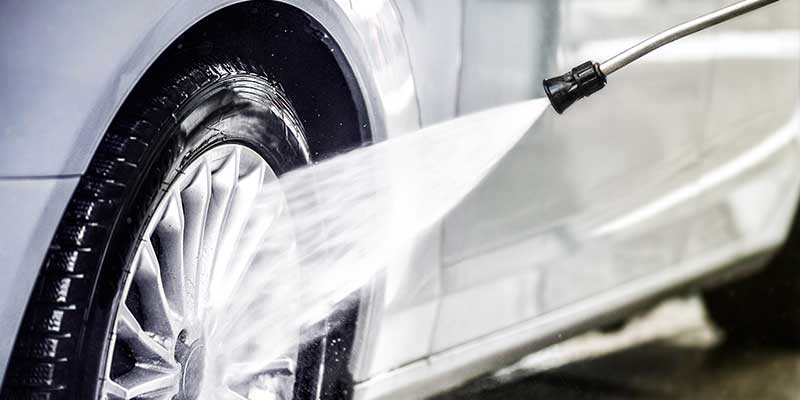
Keeping your car clean is about more than just maintaining a shiny appearance. Regular car washing helps protect the vehicle’s paint, maintain its value, and ensure that dirt, contaminants, and environmental elements do not damage the exterior over time. Many car owners often ask the question: how often should I wash my car? The answer depends on several factors including climate, driving habits, storage conditions, and environmental exposure.
In this detailed guide, we will explore everything you need to know about how often to wash your car, why it matters, what factors influence washing frequency, and best practices for maintaining a clean and protected vehicle.
Why Washing Your Car Regularly Matters
Before deciding how often to wash your car, it is important to understand why regular car washing is essential.
Protects the Paint
Your car’s paint is constantly exposed to harmful elements such as dirt, road salt, bird droppings, tree sap, and pollution. These contaminants can slowly break down the clear coat that protects your vehicle’s paint. If left unwashed, they can cause permanent stains, scratches, and oxidation.
Regular washing removes these contaminants before they have the chance to cause long-term damage.
Prevents Rust and Corrosion
Dust and dirt may seem harmless, but when mixed with moisture, they can contribute to rust formation. Road salt in winter is especially dangerous because it accelerates corrosion on the metal components of your vehicle.
Frequent washing helps eliminate salt and grime from vulnerable areas such as the undercarriage and wheel wells.
Maintains Vehicle Value
A well-maintained exterior significantly improves a car’s resale value. Buyers are more likely to trust a vehicle that appears clean and cared for.
Keeping your car washed regularly helps preserve the paint condition and keeps it looking newer for longer.
Improves Visibility and Safety
A clean car is not only visually appealing but also safer to drive. Dirty windows, mirrors, headlights, and taillights can reduce visibility and make nighttime driving more dangerous.
Washing your car ensures these important areas remain clear and functional.
General Rule: How Often Should You Wash Your Car?
For most vehicles, a wash every two weeks is considered a good standard. This schedule helps remove typical dirt, dust, and road contaminants before they accumulate and damage the paint.
However, this is only a general recommendation. Some vehicles require more frequent washing depending on the conditions they are exposed to.
In certain environments, you may need to wash your car once a week, while in cleaner environments it may be acceptable to wash it once a month.
Factors That Affect How Often You Should Wash Your Car
The ideal car washing frequency varies depending on several key factors. Understanding these conditions will help you create the best cleaning routine for your vehicle.
Climate and Weather Conditions
Weather plays a major role in determining how often your car should be washed.
Rainy Regions
Frequent rain may seem like it washes your car naturally, but rainwater often contains pollutants and minerals that leave spots and residue.
In rainy climates, washing your car every one to two weeks helps remove contaminants that rain leaves behind.
Winter Conditions
During winter, road salt is used to melt ice and snow. While helpful for driving safety, road salt is extremely corrosive to vehicle metal.
In winter, it is recommended to wash your car every 7 to 10 days, especially if roads are regularly salted.
Hot and Dry Climates
In dry regions, dust and sand accumulate quickly on vehicles. Although these particles may seem harmless, they can scratch the paint when wiped or rubbed.
If you live in a dusty environment, washing your car once a week can help prevent micro-scratches and paint damage.
Driving Habits
How frequently you drive also affects how quickly your car becomes dirty.
Daily Commuting
If you drive your car every day, it is exposed to road debris, dust, insects, and pollution more often.
Daily drivers typically benefit from washing the car every one to two weeks.
Occasional Driving
If your car is rarely driven and mostly stays in a garage, it may only need washing once every three to four weeks.
However, even parked vehicles accumulate dust and airborne contaminants over time.
Parking Location
Where you park your car can significantly affect how often it should be washed.
Parking Under Trees
Parking beneath trees exposes your vehicle to tree sap, bird droppings, and falling leaves.
Bird droppings are particularly harmful because they are acidic and can damage paint within hours if left untreated.
If you frequently park under trees, you may need to wash your car weekly.
Street Parking
Cars parked on streets are exposed to more pollution, dust, and passing traffic debris.
Street-parked vehicles often benefit from weekly or bi-weekly washing.
Garage Parking
Cars parked in garages are protected from many environmental contaminants.
These vehicles usually stay cleaner and may only need washing every three to four weeks.
Environmental Pollution
Vehicles in urban areas are exposed to industrial pollution, smog, and airborne chemicals that settle on surfaces.
Over time, these contaminants can bond with the paint and become difficult to remove.
In heavily polluted areas, washing your car every one to two weeks is recommended.
Seasonal Changes
Different seasons bring different types of contamination.
Spring often brings pollen, which can coat vehicles in a thick yellow layer. Summer introduces insects and tree sap. Fall leaves debris and organic materials, while winter exposes vehicles to road salt.
Adjusting your washing routine to match seasonal conditions is a smart approach to vehicle care.
Signs That Your Car Needs a Wash
Instead of relying only on a schedule, you can also watch for signs that indicate your car needs cleaning.
Visible Dirt or Dust
If your car looks dull or dusty, it is time for a wash. A thick layer of dust can scratch the paint if wiped away without washing.
Bird Droppings or Tree Sap
These substances should be removed as soon as possible. Waiting too long can cause permanent damage to the paint.
Bug Splatter
After highway driving, insects often stick to the front bumper, hood, and windshield. Bug residue can be acidic and should be cleaned off quickly.
Water Spots
Minerals from rainwater or sprinklers can leave stubborn water spots on your car’s surface. Washing helps remove them before they become permanent marks.
Dirty Wheels
Brake dust builds up on wheels and can corrode the finish if not cleaned regularly.
Hand Washing vs Automatic Car Washes
Choosing the right washing method also affects the health of your vehicle’s paint.
Hand Washing
Hand washing is generally considered the safest and most thorough way to clean your car.
Benefits include:
- Gentle cleaning
- Reduced risk of scratches
- Better attention to detail
- Ability to clean hidden areas
However, hand washing takes more time and effort.
Automatic Car Washes
Automatic car washes are convenient and fast, but some systems use harsh brushes that can create swirl marks in the paint.
Touchless car washes are safer because they use high-pressure water and detergents instead of brushes.
If you choose automatic washes, selecting touchless systems is often the better option.
Best Time of Day to Wash Your Car
The time of day you wash your car can affect the final result.
Avoid Direct Sunlight
Washing a car in direct sunlight causes soap and water to dry quickly, leaving spots and streaks.
Wash in the Morning or Evening
Early morning or late afternoon is ideal because temperatures are cooler and water evaporates more slowly.
Choose a Shaded Area
Whenever possible, wash your car in a shaded location such as a garage driveway or under a canopy.
Steps for Washing Your Car Properly
Washing your car correctly prevents scratches and ensures a better finish.
Step 1: Rinse the Vehicle
Start by rinsing the entire car with water to remove loose dirt and debris.
This step reduces the chance of scratching the paint during washing.
Step 2: Use Proper Car Wash Soap
Avoid household detergents such as dish soap because they can strip protective wax from the paint.
Instead, use a car-specific shampoo designed for automotive surfaces.
Step 3: Use a Soft Wash Mitt
Microfiber wash mitts or soft sponges are ideal for safely cleaning your vehicle.
Work from the top down because the upper parts of the car are usually cleaner than the lower sections.
Step 4: Clean the Wheels Separately
Wheels contain brake dust and grime that can scratch paint if mixed with regular wash tools.
Use a separate brush or sponge specifically for wheels.
Step 5: Rinse Thoroughly
After washing each section, rinse the car thoroughly to remove soap residue.
Step 6: Dry with Microfiber Towels
Allowing a car to air dry can leave water spots.
Use clean microfiber towels to gently dry the vehicle.
Should You Wax Your Car After Washing?
Waxing adds a protective layer that shields your paint from environmental contaminants and UV damage.
Most experts recommend waxing a car every two to three months.
Benefits of waxing include:
- Enhanced shine
- Protection against dirt and water
- Easier future cleaning
- Reduced paint fading
Waxing does not replace washing but complements it by providing an additional layer of protection.
Special Situations That Require Immediate Washing
Sometimes your car should be washed immediately rather than waiting for the next scheduled cleaning.
After Driving on Salted Roads
Road salt should be removed as soon as possible to prevent corrosion.
After Long Road Trips
Highway driving exposes your car to bugs, tar, and road debris.
After Parking Near Construction Areas
Construction dust often contains abrasive particles that can scratch paint.
After Bird Droppings or Tree Sap
These contaminants can permanently damage paint if left too long.
Spot cleaning or washing the affected area quickly helps prevent damage.
Eco-Friendly Car Washing Tips
Car washing can use significant amounts of water. Fortunately, there are ways to reduce environmental impact.
Use a Bucket Instead of a Hose
A running hose can waste large quantities of water. Using a bucket helps control water usage.
Choose Biodegradable Soap
Eco-friendly car shampoos reduce pollution and are safer for the environment.
Wash on Grass or Gravel
Washing on grass allows water to soak into the ground rather than flowing into storm drains.
Consider Waterless Car Wash Products
Waterless car wash sprays allow you to clean lightly dirty vehicles using minimal water.
Common Car Washing Mistakes to Avoid
Avoiding common mistakes can help protect your vehicle’s finish.
Using Household Cleaners
Dish soap and household cleaners strip wax and damage protective coatings.
Washing with Dirty Sponges
Dirty wash tools can trap particles that scratch the paint.
Skipping the Rinse Step
Failing to rinse the car first increases the risk of rubbing dirt into the paint.
Letting the Car Air Dry
Air drying causes mineral deposits and water spots.
Washing Too Frequently with Harsh Methods
While regular washing is beneficial, aggressive scrubbing or harsh brushes can harm the paint.
Creating the Perfect Car Wash Schedule
Because every vehicle and environment is different, the best approach is to create a schedule based on your personal driving conditions.
A simple guideline looks like this:
- Every week: Cars exposed to heavy dirt, dust, or road salt
- Every two weeks: Average daily drivers
- Every three to four weeks: Cars stored in garages and driven occasionally
Regular inspections can help you adjust your schedule as needed.
Final Thoughts
Keeping your car clean is an important part of responsible vehicle ownership. While the general recommendation is to wash your car every two weeks, the ideal frequency depends on factors such as weather conditions, driving habits, and where the car is parked.
Regular washing protects the paint, prevents corrosion, maintains resale value, and keeps your vehicle looking its best. By paying attention to environmental factors and adopting proper washing techniques, you can extend the life of your car’s exterior and enjoy a cleaner, more attractive vehicle year-round.
Developing a consistent car washing routine, combined with occasional waxing and proper maintenance, ensures that your car remains protected from harmful contaminants and continues to shine for years to come.