
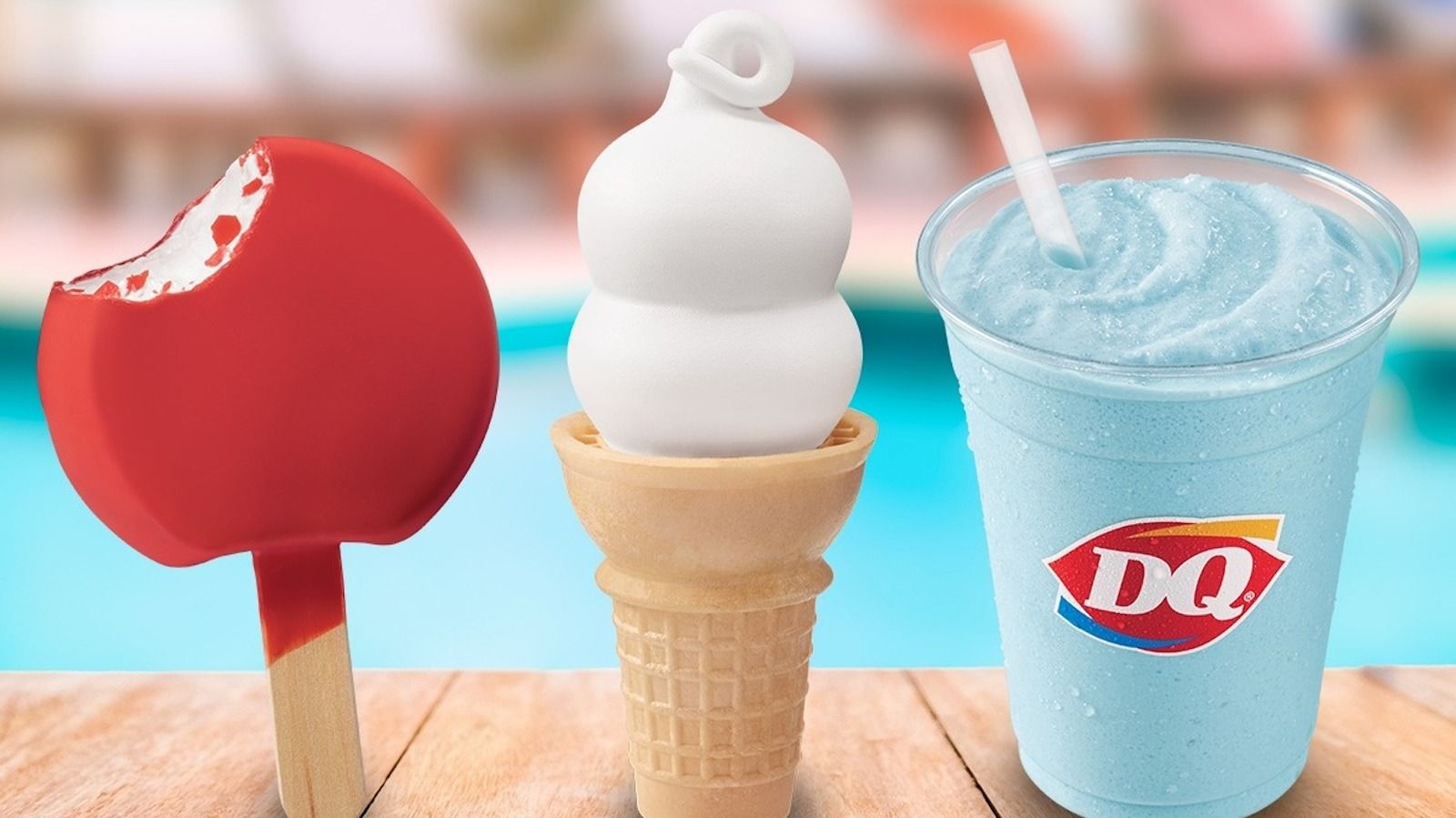
When people think of Dairy Queen, images of creamy soft serve cones, Blizzard treats, and upside-down cup tricks instantly come to mind. But a question that sparks endless debate online and in everyday conversations is: Is Dairy Queen real ices cream?
The short answer is no — at least not by legal and technical definitions. But the long answer is far more interesting and nuanced. In this in-depth guide, we’ll break down what “real ice cream” actually means, how Dairy Queen products are made, why they’re labeled differently, and whether that really matters for the average consumer.
This page is designed to be detailed, scannable, and easy to understand, so you can decide for yourself whether Dairy Queen qualifies as “real ice cream” in the ways that matter most.
What Is Considered “Real Ice Cream”?
To understand whether Dairy Queen serves real ice cream, we first need to define what ice cream actually is.
Legal Definition of Ice Cream in the United States
In the U.S., the Food and Drug Administration (FDA) has strict standards of identity for foods. According to FDA regulations, a product must meet these criteria to be legally labeled as ice cream:
- Must contain at least 10% milkfat
- Milkfat must come from dairy sources like milk or cream
- Must be frozen
- Must have a specific balance of milk solids, sweeteners, and stabilizers
Why Milkfat Matters
Milkfat is a major factor in how ice cream tastes and feels. Higher milkfat content generally means:
- Richer flavor
- Creamier texture
- Slower melting
What Is Dairy Queen Soft Serve Made Of?
Dairy Queen’s signature product is soft serve, not traditional scooped ice cream. While it shares many ingredients with ice cream, the formulation is slightly different.
Milkfat Content in Dairy Queen Soft Serve
Dairy Queen’s soft serve contains around 5% milkfat, which is half of the FDA requirement for ice cream. Because of this, Dairy Queen does not legally label its product as ice cream.
Instead, the company refers to it as:
- “Soft serve”
- “Frozen dairy dessert”
Common Ingredients in Dairy Queen Soft Serve
While exact formulations can vary by region, Dairy Queen soft serve typically includes:
- Milk
- Cream
- Sugar
- Corn syrup
- Whey
- Emulsifiers
- Stabilizers
- Artificial and natural flavorings
Why Dairy Queen Can’t Call It Ice Cream
The reason Dairy Queen avoids the term “ice cream” is not marketing trickery — it’s a legal requirement.
FDA Labeling Rules
Because Dairy Queen soft serve contains less than 10% milkfat, labeling it as ice cream would violate FDA standards. This is why you’ll notice:
- Menus say “soft serve” instead of ice cream
- Blizzard treats are described as “made with world-famous soft serve”
- Packaging avoids the word “ice cream” entirely
A Famous Marketing Detail
One of the most well-known examples of this distinction is the Dairy Queen Blizzard. Despite being thick, creamy, and ice cream-like, it is technically a soft serve-based frozen dessert, not ice cream.
Is Soft Serve Different From Ice Cream?
Yes — and the differences go beyond milkfat content.
Texture and Temperature Differences
Soft serve is served at a higher temperature than ice cream, usually around 18–20°F, while ice cream is typically stored and served at 0–10°F. This warmer temperature makes soft serve:
- Softer
- Easier to swirl
- Creamier on the tongue
Air Content (Overrun)
Soft serve also contains more air, a factor known as overrun. More air means:
- Lighter texture
- Faster melting
- Lower density
Is Dairy Queen’s Product Still Dairy-Based?
Absolutely. One common misconception is that Dairy Queen soft serve is “fake” or non-dairy. That’s not true.
Dairy Content Explained
Dairy Queen soft serve is:
- Made from real milk and cream
- A dairy-based frozen dessert
- Not plant-based or synthetic
Why Did Dairy Queen Choose Soft Serve?
Dairy Queen’s identity has always been tied to soft serve, dating back to the 1940s.
Historical Background
Dairy Queen was founded on a soft serve formula that could be served:
- Faster than hard ice cream
- Without scooping
- Using specialized machines
Business and Consumer Benefits
Soft serve offers several advantages:
- Lower production costs
- Faster serving time
- Consistent texture across locations
- Lighter mouthfeel preferred by many customers
Does Dairy Queen Ever Serve Real Ice Cream?
In most locations, no — Dairy Queen primarily serves soft serve-based products. However, there are some exceptions worth noting.
Packaged Ice Cream Products
In grocery stores, you may find Dairy Queen-branded ice cream novelties, such as:
- DQ ice cream bars
- DQ ice cream sandwiches
Regional Variations
Food labeling laws vary by country. In some regions outside the U.S., Dairy Queen products may be labeled differently due to local regulations.
Is Dairy Queen Healthier Than Ice Cream?
This depends on how you define “healthier.”
Lower Milkfat, Not Lower Calories
While Dairy Queen soft serve has less milkfat, that does not automatically mean it’s lower in calories. Many Dairy Queen treats include:
- Added sugars
- Candy mix-ins
- Syrups
- Cookie pieces
Lighter Texture, Easier Portions
On the positive side, soft serve’s lighter texture can feel less heavy, which some people prefer for digestion and portion control.
Why the “Is It Real Ice Cream?” Debate Exists
The controversy around Dairy Queen largely comes down to expectations versus definitions.
Consumer Perception
To most people, ice cream is defined by:
- Taste
- Texture
- Enjoyment
Legal and Technical Reality
From a regulatory standpoint, Dairy Queen soft serve simply doesn’t meet the required criteria. That doesn’t make it fake — just different.
Does It Matter to the Average Customer?
For most people, the answer is no.
Taste Over Terminology
If you enjoy:
- A vanilla cone on a hot day
- A thick Oreo Blizzard
- A chocolate-dipped soft serve cone
Transparency Matters More
Dairy Queen is transparent about what it sells. It doesn’t claim its soft serve is ice cream, and the labeling reflects that honesty.
Dairy Queen vs Traditional Ice Cream Brands
To better understand the distinction, it helps to compare Dairy Queen to classic ice cream brands.
Traditional Ice Cream Brands
Brands like Häagen-Dazs, Ben & Jerry’s, and Breyers:
- Meet or exceed FDA milkfat standards
- Are denser and richer
- Are stored and served at colder temperatures
Dairy Queen’s Unique Position
Dairy Queen focuses on:
- Soft serve texture
- Customizable mix-ins
- Fast-service frozen desserts
Final Verdict: Is Dairy Queen Real Ice Cream?
The Technical Answer
No, Dairy Queen soft serve is not legally considered ice cream because it does not contain the minimum 10% milkfat required by FDA standards.
The Practical Answer
Yes, it is a real dairy-based frozen dessert made from milk and cream, enjoyed by millions, and widely accepted as “ice cream” in everyday conversation.
The Bottom Line
Dairy Queen doesn’t sell fake food, and it doesn’t mislead customers. It sells soft serve, a lighter, airier cousin of traditional ice cream — and for many people, that’s exactly what makes it so appealing.
Whether you call it ice cream or soft serve, one thing is certain: Dairy Queen has earned its place in frozen dessert history.