
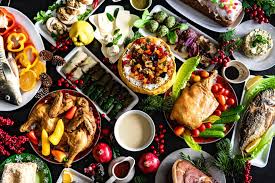
Across cultures and continents, food plays a powerful symbolic role in how people welcome the New Year. What we eat at the very beginning of the year is believed to influence luck, health, prosperity, and happiness for the months ahead. These beliefs are often rooted in centuries-old traditions, agricultural cycles, religious symbolism, and cultural storytelling.
So, what are the 7 lucky New Year’s food traditions, and why do so many people around the world continue to follow them? This in-depth guide explores the most widely celebrated lucky foods, the meanings behind them, and how different cultures prepare and enjoy them as the calendar turns.
Whether you’re curious, superstitious, or simply love food with a story, these traditions reveal how deeply hope and optimism are woven into what we eat on New Year’s Day.
Why Food Is Considered Lucky on New Year’s
Food symbolism is universal. From ancient civilizations to modern societies, people have believed that consuming certain foods can invite blessings or ward off misfortune. The New Year represents a clean slate, making it the perfect moment to set intentions—often expressed through meals shared with family and friends.
Many New Year’s foods are chosen because of:
- Their shape, such as round foods symbolizing cycles or coins
- Their color, often associated with wealth or purity
- Their growth patterns, representing abundance and progress
- Their linguistic meaning, where the food’s name sounds like words for luck or wealth
With that context in mind, let’s explore the seven most well-known lucky New Year’s food traditions.
1. Black-Eyed Peas for Prosperity and Good Fortune
Black-eyed peas are one of the most iconic New Year’s foods, especially in the southern United States. Often served as part of a dish called Hoppin’ John, they are traditionally eaten on New Year’s Day to bring financial prosperity.
Symbolic Meaning of Black-Eyed Peas
Black-eyed peas resemble small coins, which is why they are associated with money and wealth. Some traditions say that the more peas you eat, the greater your prosperity in the coming year.In folklore, black-eyed peas were considered humble yet resilient. Their survival during difficult historical periods led to their association with endurance and good fortune.
How They Are Traditionally Served
Black-eyed peas are commonly cooked with rice, onions, and pork. The pork—often bacon or ham hock—is believed to add another layer of luck, as pigs symbolize forward progress.In many households, eating black-eyed peas on New Year’s Day is considered essential. Skipping them is thought to risk missing out on good luck.
2. Lentils for Wealth and Abundance
Lentils are a popular New Year’s food across parts of Europe, particularly in Italy. Their shape closely resembles small coins, making them a powerful symbol of financial success and abundance.
Why Lentils Represent Money
When cooked, lentils expand, which symbolizes growth and increasing wealth. In Italian tradition, lentils are eaten shortly after midnight on New Year’s Eve to encourage prosperity in the year ahead.This belief dates back to ancient Roman times, when lentils were carried in leather pouches as charms for good fortune, with the hope they would turn into coins.
Cultural Variations
While Italy is most famous for lentil-based New Year’s dishes, similar traditions exist in other European countries. Lentil soups or stews are often served warm, emphasizing comfort, stability, and nourishment.3. Grapes for Luck in Every Month
The tradition of eating grapes at the New Year is most famously practiced in Spain and many Latin American countries. This ritual involves eating 12 grapes at midnight, one for each stroke of the clock.
Meaning Behind the 12 Grapes
Each grape represents one month of the coming year. If a grape tastes sweet, that month is expected to be happy and prosperous. If it’s sour, the month may bring challenges.The tradition began in the early 20th century and quickly spread due to its festive and interactive nature. Today, it remains one of the most joyful New Year’s customs.
How the Tradition Is Practiced
Participants often try to eat all 12 grapes within 12 seconds, making it both a symbolic and playful challenge. In many households, the ritual is followed by cheers, laughter, and celebrations.4. Long Noodles for Longevity and Good Health
Long noodles are an essential New Year’s food in many Asian cultures, particularly in China, Japan, and other East Asian countries. They symbolize a long life and continued good health.
Why Length Matters
The length of the noodle represents the length of one’s life. For this reason, noodles should not be cut or broken during cooking or eating. Breaking the noodles is believed to shorten lifespan or invite misfortune.This symbolism aligns with broader cultural values that emphasize respect for life, elders, and continuity across generations.
Common New Year’s Noodle Dishes
Noodles may be served in broth or stir-fried, often with vegetables and proteins that carry additional symbolic meanings. The act of slurping noodles is encouraged, as it emphasizes enjoyment and appreciation of life.5. Round Foods for Wholeness and Good Cycles
Round foods are widely considered lucky because they represent completeness, continuity, and the cycle of time. Since the New Year marks the completion of one cycle and the beginning of another, round foods are especially meaningful.
Examples of Round Lucky Foods
Common round foods include:- Oranges and other citrus fruits
- Donuts and cakes
- Bread rolls and bagels
Cultural Significance
In some traditions, round foods are linked to coins or the sun, both powerful symbols of energy and prosperity. Eating round foods at the New Year reinforces the idea of life moving forward in a balanced, harmonious way.6. Pork for Progress and Prosperity
Pork is a popular New Year’s food in several European countries, as well as in parts of the United States. The pig’s behavior is the key to its symbolism.
Why Pork Is Considered Lucky
Pigs root forward when they eat, unlike chickens that scratch backward. This forward motion represents progress, growth, and moving ahead in life.Additionally, pigs have historically symbolized wealth and abundance, as owning livestock was a sign of prosperity.
Traditional Pork Dishes
Pork may be served roasted, cured, or slow-cooked. In some cultures, sausages are eaten because their length also symbolizes continuity and long life.Eating pork at the start of the year is believed to encourage success and momentum in personal and professional goals.
7. Greens for Growth, Money, and Renewal
Leafy green vegetables are another powerful symbol of luck, especially in New Year’s traditions in the southern United States and other regions.
Symbolism of Green Vegetables
The green color resembles paper currency, making greens a symbol of financial success. Their leafy nature also represents growth, renewal, and vitality.Popular greens include:
- Collard greens
- Kale
- Spinach
- Mustard greens
Seasonal and Cultural Importance
Greens are often harvested in colder months, making them a seasonal staple for New Year’s meals. Their hearty nature symbolizes resilience and strength during challenging times.
How These Traditions Reflect Shared Human Values
Although these lucky food traditions come from different cultures, they share common themes:
- Hope for prosperity
- Desire for good health
- Respect for longevity and continuity
- Belief in renewal and fresh beginnings
Food becomes a language through which people express optimism and intention. Even those who don’t consider themselves superstitious often enjoy participating in these traditions because they foster connection and celebration.
Modern Interpretations of Lucky New Year’s Foods
In today’s globalized world, many people blend traditions from multiple cultures. A single New Year’s meal might include lentils, noodles, greens, and fruit, all on the same table.
Modern interpretations focus less on strict rules and more on meaningful intention. Whether you follow one tradition or all seven, the act of sharing food with loved ones is often considered the greatest good fortune of all.
Can Lucky Foods Really Influence the Year Ahead?
From a practical perspective, these foods won’t magically change circumstances. However, traditions have psychological power. They encourage positive thinking, goal-setting, and gratitude.
Starting the year with a hopeful mindset can influence decisions, behaviors, and outlook—creating a self-fulfilling sense of “luck.”
Creating Your Own Lucky New Year’s Food Tradition
You don’t have to follow traditions exactly as they’ve been practiced for centuries. Many families create their own rituals, choosing foods that carry personal meaning.
You might:
- Select foods tied to family heritage
- Choose ingredients that represent personal goals
- Combine cultural traditions into one meal
What matters most is the intention behind the tradition.
Final Thoughts on the 7 Lucky New Year’s Food Traditions
So, what are the 7 lucky New Year’s food traditions? They are more than just meals—they are expressions of hope, continuity, and shared human values. From black-eyed peas and lentils to grapes, noodles, pork, greens, and round foods, each tradition carries a story shaped by culture and history.
Whether you believe in luck or simply enjoy meaningful customs, these foods remind us that every new year is an opportunity to begin again—with optimism, connection, and a full plate.