
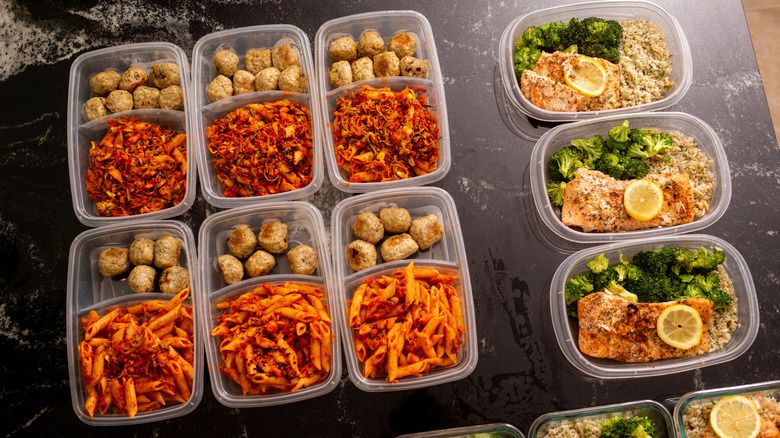
Traveling often raises practical questions, and one of the most common is about food. Whether it’s a home-cooked meal prepared with care, snacks made for dietary needs, or traditional dishes you want to share with family, many travelers wonder: can you take homemade food through airport security?
The short answer is yes, in many cases, but the long answer involves understanding airport security rules, airline policies, liquid restrictions, international regulations, and even how you pack your food. This detailed guide breaks everything down so you can confidently carry homemade food without unnecessary stress or confiscation.
Understanding Airport Security Rules for Food
Airport security screening is primarily designed to ensure safety, not to stop people from carrying food. However, food items are still subject to screening procedures, and some types of food face stricter rules than others.
Most airport security agencies, such as the TSA in the United States or equivalent authorities in other countries, focus on how food is classified rather than whether it is homemade or store-bought. The key distinction is usually between solid foods and liquids, gels, or semi-liquids.
Homemade food is not banned simply because it is homemade. What matters is:
- Its physical state
- How it is packaged
- Whether it complies with carry-on or checked baggage rules
- Whether it crosses international borders
Solid vs Liquid Foods: The Most Important Rule
One of the biggest factors in determining whether homemade food can go through airport security is whether it counts as a solid or a liquid.
Solid Homemade Foods
Solid foods are generally allowed through airport security in carry-on bags. Examples include:
- Homemade sandwiches
- Baked goods like cookies, bread, or cake
- Cooked rice or pasta (without excess liquid)
- Chapati, paratha, or roti
- Fried snacks
- Dry snacks such as nuts or trail mix
Liquid or Semi-Liquid Homemade Foods
Liquids and semi-liquids are subject to strict limits in carry-on luggage. This includes foods such as:
- Soups and stews
- Curries with gravy
- Sauces, chutneys, and dips
- Yogurt or custard
- Liquid desserts
Carry-On vs Checked Luggage: Where Should You Pack Homemade Food?
Where you place your homemade food can make a big difference in whether it’s allowed.
Carry-On Bags
Carry-on luggage is subject to the most scrutiny. When packing homemade food in a carry-on:
- Solid foods are generally allowed
- Liquids must meet size limits
- Food may need to be removed for separate screening
- Strong-smelling food might attract extra attention
Checked Luggage
Checked baggage offers more flexibility:
- Larger quantities of homemade food are usually allowed
- Liquid foods are less restricted
- Proper sealing is essential to prevent leaks
Domestic Flights vs International Flights
Rules can change significantly depending on whether you’re flying within the same country or crossing borders.
Taking Homemade Food on Domestic Flights
On domestic flights, regulations are generally more relaxed. As long as your food complies with security rules:
- Homemade food is usually allowed
- There are fewer restrictions on ingredients
- Customs inspections are minimal or nonexistent
Taking Homemade Food on International Flights
International travel introduces additional challenges. Customs and agricultural authorities may restrict:
- Meat products
- Dairy items
- Fresh fruits and vegetables
- Homemade foods without clear ingredient labeling
Common Types of Homemade Food and Their Rules
Understanding how specific foods are treated can help you pack smarter.
Homemade Sandwiches
Sandwiches are usually allowed in carry-on bags. Dry sandwiches are easiest, while those with sauces or spreads may trigger extra screening.
Home-Cooked Meals
Rice, pasta, vegetables, and dry curries are generally allowed, especially in checked luggage. Meals with gravy or broth should be packed carefully and preferably checked.
Baked Goods and Desserts
Cakes, brownies, cookies, and bread are among the easiest homemade foods to carry. They are solid, easy to inspect, and rarely restricted.
Snacks and Sweets
Homemade snacks like energy bars, laddoos, or savory mixes are typically fine. Moist or syrup-soaked sweets may face restrictions due to their semi-liquid nature.
Packaging Tips for Homemade Food
How you pack homemade food can determine whether it survives the journey and passes security smoothly.
Use Clear, Sealable Containers
Transparent containers allow security officers to see the contents easily, reducing the chance of delays.
Avoid Overfilling Containers
Leave space to prevent spills, especially for moist foods.
Double-Seal Liquids
If carrying liquid foods in checked luggage, use leak-proof containers and seal them inside plastic bags.
Labeling Helps
For international travel, labeling containers with basic ingredients can sometimes help during customs inspections.
Special Dietary Needs and Homemade Food
Many travelers carry homemade food for medical, dietary, or religious reasons. Airport security generally accommodates these needs.
If you require homemade food due to:
- Allergies
- Medical conditions
- Religious restrictions
Can Airport Security Confiscate Homemade Food?
Yes, airport security can confiscate homemade food under certain circumstances:
- If it violates liquid restrictions
- If it poses a security concern
- If it is prohibited by customs regulations
- If it leaks or cannot be properly inspected
Airline Policies vs Security Rules
It’s important to distinguish between airport security rules and airline policies.
Airport security determines what can pass through screening. Airlines, on the other hand, may have policies regarding:
- Eating personal food onboard
- Heating food
- Carrying strong-smelling items
Odor, Cleanliness, and Courtesy Onboard
Even if your homemade food is allowed, consider the comfort of others.
Strong-smelling foods can make the cabin uncomfortable. Foods with intense aromas may draw complaints, even if permitted. Clean packaging and discreet consumption go a long way in maintaining a pleasant travel environment.
Tips to Avoid Problems at Airport Security
To reduce the risk of delays or confiscation:
- Pack solid foods in carry-on bags
- Place liquid foods in checked luggage
- Follow liquid size limits strictly
- Keep food accessible for inspection
- Check international customs rules in advance
Frequently Asked Questions About Homemade Food at Airports
Can you take homemade food through airport security?
Yes, in most cases you can, especially solid foods. Restrictions mainly apply to liquids and international customs rules.
Will security officers taste or open the food?
They may open containers for inspection, but tasting is not common.
Is homemade food treated differently than store-bought food?
No, the rules apply based on food type, not whether it is homemade or purchased.
Can homemade food go through airport scanners?
Yes, food can safely go through X-ray scanners without affecting its quality.
Final Thoughts: Can You Take Homemade Food Through Airport Security?
So, can you take homemade food through airport security? The answer is a confident yes, as long as you understand and follow the rules. Solid homemade foods are generally allowed, liquid foods face size restrictions, and international travel requires extra caution due to customs regulations.
With smart packing, awareness of regulations, and a bit of planning, carrying homemade food can be convenient, economical, and comforting during travel. Whether it’s a favorite snack or a carefully prepared meal, knowing the guidelines ensures your food makes the journey with you—without unnecessary hassle.