
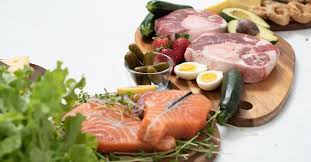
Food safety is one of the most critical responsibilities in any kitchen, food business, or food service operation. Whether you run a restaurant, manage a catering service, operate a food truck, or simply want to understand food safety better, you will often hear the term TCS food. Knowing which food is considered a TCS food is essential for preventing foodborne illnesses, complying with food safety laws, and protecting public health.
This in-depth guide explains what TCS food means, which foods fall into this category, why they are risky, and how they should be handled safely. By the end, you will have a clear and practical understanding of TCS foods and their importance in food safety systems.
What Does TCS Food Mean?
TCS stands for Time/Temperature Control for Safety. A TCS food is any food that requires careful control of time and temperature to prevent the growth of harmful microorganisms, the formation of toxins, or the growth of pathogens that can cause foodborne illness.
In simple terms, TCS foods are foods that bacteria love. When these foods are kept in the “danger zone” for too long, bacteria can grow quickly and reach unsafe levels.
The Temperature Danger Zone
The temperature danger zone is generally defined as:
- 41°F to 135°F (5°C to 57°C)
Why TCS Foods Are High Risk
Not all foods pose the same level of risk. TCS foods are considered high risk because they usually have one or more of the following characteristics:
- High moisture content
- High protein content
- Neutral or slightly acidic pH
- Long holding times at warm temperatures
Understanding which food is considered a TCS food helps food handlers focus their safety efforts where they matter most.
Which Food Is Considered a TCS Food?
Below are the major categories of foods that are considered TCS foods according to widely accepted food safety guidelines, including FDA Food Code principles.
Raw and Cooked Animal Products
Animal-based foods are some of the most common and well-known TCS foods because they are rich in protein and moisture.
Meat
All types of meat are considered TCS foods, including:
- Beef
- Pork
- Lamb
- Goat
- Game meats
Poultry
Poultry is especially high risk and always considered a TCS food. This includes:
- Chicken
- Turkey
- Duck
- Goose
Fish and Seafood
All seafood products fall under the TCS category, such as:
- Fish
- Shrimp
- Crab
- Lobster
- Mussels
- Oysters
- Clams
Eggs
Eggs are a classic example of a TCS food. This includes:
- Raw shell eggs
- Liquid eggs
- Cooked eggs (scrambled, boiled, fried)
- Egg-based dishes
Dairy and Milk Products
Milk-based foods provide an ideal environment for bacteria and are considered TCS foods unless specifically treated to be shelf-stable.
Milk and Cream
These include:
- Whole milk
- Skim milk
- Cream
- Half-and-half
Cheese
Most cheeses are TCS foods, especially:
- Soft cheeses (cream cheese, ricotta, brie, feta)
- Semi-soft cheeses
Yogurt and Cultured Dairy Products
Even though yogurt is acidic, it still requires refrigeration and is considered a TCS food in most cases.
Cooked Plant-Based Foods
Not all plant foods are TCS foods, but once cooked, many become high risk.
Cooked Vegetables
Examples include:
- Cooked potatoes
- Cooked carrots
- Cooked beans
- Cooked rice
Cooked Grains and Pasta
These are commonly overlooked but are definitely TCS foods:
- Rice
- Pasta
- Quinoa
- Oats
Cut Fruits and Vegetables
Whole fruits and vegetables are generally not TCS foods, but once cut, many become TCS foods.
Cut Melons
This includes:
- Watermelon
- Cantaloupe
- Honeydew
Cut Tomatoes
Fresh tomatoes become TCS foods after cutting because their pH and moisture levels can support pathogens.
Leafy Greens
Cut or chopped leafy greens such as:
- Lettuce
- Spinach
- Kale
Sprouts and Sprout Seeds
Sprouts are among the highest-risk TCS foods.
Examples include:
- Alfalfa sprouts
- Bean sprouts
- Clover sprouts
Cooked or Prepared Foods
Many prepared foods become TCS foods even if their individual ingredients were not high risk.
Soups and Stews
Soups and stews often contain meat, vegetables, and broth, making them ideal environments for bacteria if not held properly.
Sauces and Gravies
Examples include:
- Meat gravies
- Cream-based sauces
- Cheese sauces
Casseroles and Mixed Dishes
Combination foods such as lasagna, curries, and stir-fries are always considered TCS foods.
Tofu and Soy-Based Products
Plant-based proteins can also be TCS foods.
Examples include:
- Tofu
- Soy milk
- Tempeh
Foods with Added Acidity or Reduced Water Activity
Some foods are modified to reduce risk, but not all modifications remove TCS status.
Foods with Added Acid
Examples:
- Pickled vegetables
- Acidified sauces
Foods with Reduced Water Activity
Foods like jams or dried foods may not be TCS, but once rehydrated or mixed with other ingredients, they can become TCS foods.
Examples of Non-TCS Foods for Comparison
Understanding non-TCS foods helps clarify which food is considered a TCS food.
Examples of foods that are generally not TCS foods include:
- Dry rice or pasta (uncooked)
- Bread and rolls
- Whole fruits and vegetables
- Peanut butter
- Honey
- Hard candies
How TCS Foods Should Be Stored
Proper storage is essential to controlling risk.
Cold Holding
- Store TCS foods at 41°F (5°C) or below
- Use calibrated thermometers
- Avoid overcrowding refrigerators
Hot Holding
- Keep hot TCS foods at 135°F (57°C) or above
- Stir foods regularly to maintain even temperature
Time as a Control
In some cases, time can be used instead of temperature, but strict procedures must be followed, including labeling and discarding food after a set period.
Cooking and Reheating TCS Foods Safely
Minimum Internal Cooking Temperatures
Different TCS foods require different cooking temperatures, such as:
- Poultry: 165°F
- Ground meats: 155°F
- Seafood and whole cuts of meat: 145°F
Reheating
- Reheat TCS foods rapidly to 165°F
- Never reheat food slowly in hot holding equipment
Cooling TCS Foods Correctly
Improper cooling is one of the leading causes of foodborne illness.
Safe cooling guidelines include:
- Cool from 135°F to 70°F within 2 hours
- Cool from 70°F to 41°F within an additional 4 hours
- Use shallow containers, ice baths, or blast chillers
Labeling and Date Marking TCS Foods
Ready-to-eat TCS foods stored for more than 24 hours must be properly labeled.
Key points include:
- Label with preparation or opening date
- Discard after the maximum allowed storage time
- Rotate stock using FIFO (First In, First Out)
Why Knowing TCS Foods Matters
Understanding which food is considered a TCS food is not just about passing inspections. It helps to:
- Prevent foodborne illnesses
- Protect customers and staff
- Reduce food waste
- Maintain legal compliance
- Build trust with customers
Common Mistakes With TCS Foods
Some frequent errors include:
- Leaving cooked food at room temperature too long
- Improper cooling of large batches
- Failing to monitor temperatures
- Assuming plant-based foods are always low risk
- Not date-marking ready-to-eat foods
Final Thoughts on Which Food Is Considered a TCS Food
So, which food is considered a TCS food? The answer includes most animal products, cooked foods, cut fruits and vegetables, dairy products, cooked grains, and many prepared dishes. These foods require strict time and temperature control to remain safe.
By recognizing TCS foods and handling them correctly, food handlers play a vital role in protecting public health. Whether in a professional kitchen or a food safety training program, understanding TCS foods is a foundational skill that supports safe, responsible food service.
Mastering this knowledge ensures not only compliance with food safety standards but also confidence in serving food that is safe, high-quality, and trustworthy.