
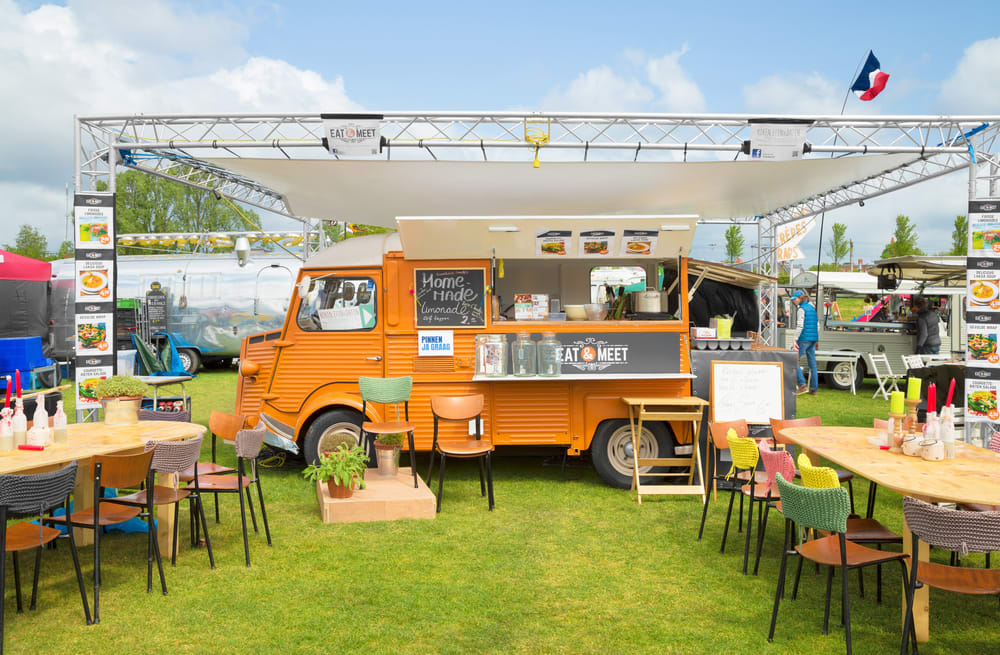
Starting a food truck business has become an increasingly popular way for aspiring entrepreneurs to break into the food industry. With lower overhead compared to traditional brick-and-mortar restaurants, a food truck offers flexibility, creativity, and the potential for strong profits. However, success requires careful planning, research, and execution. This guide provides a step-by-step roadmap to help you launch your own food truck business successfully.
Understanding the Food Truck Industry
The food truck industry has evolved dramatically over the past decade. Once limited to small carts selling street snacks, modern food trucks offer gourmet meals, ethnic cuisine, desserts, and even fusion dishes. According to industry reports, the global food truck market has been experiencing steady growth, driven by consumer demand for convenience, affordability, and unique culinary experiences.
Before investing in a food truck, it is crucial to understand the local market, trends, and competition. Identify what types of food are currently popular, which neighborhoods or events attract the most foot traffic, and what price points customers are willing to pay. This research will inform every aspect of your business, from menu planning to marketing strategies.
Developing Your Food Truck Concept
A strong concept is the foundation of a successful food truck. Your concept should define the type of food you will serve, your target audience, and the overall brand identity. Consider the following factors:
- Cuisine Type: Are you focusing on tacos, gourmet sandwiches, vegan dishes, desserts, or fusion cuisine? Your menu should be distinctive and appealing.
- Brand Identity: Think about your truck's design, name, logo, and social media presence. A memorable brand can help you stand out in a crowded market.
- Target Market: Define your ideal customers. Are you catering to office workers, college students, festival-goers, or late-night diners? Understanding your audience will influence your location and marketing strategies.
- Unique Selling Proposition (USP): Identify what makes your food truck different. It could be a signature dish, a unique flavor combination, or a commitment to locally sourced ingredients.
Writing a Business Plan
A well-crafted business plan is essential for securing funding and guiding your operations. Your plan should include:
- Executive Summary: A brief overview of your concept, target market, and goals.
- Market Analysis: Insights into local demand, customer demographics, and competitors.
- Menu and Pricing Strategy: Detailed description of menu items, portion sizes, and pricing.
- Marketing Plan: Strategies for promoting your food truck, including social media, local events, and partnerships.
- Operations Plan: Details on daily operations, staffing, sourcing, and logistics.
- Financial Plan: Startup costs, projected revenue, break-even analysis, and funding requirements.
Investors and lenders will often look at your business plan to evaluate the viability of your food truck. Even if you are self-funding, a business plan helps you stay organized and focused on your goals.
Budgeting and Funding Your Food Truck
Starting a food truck requires a significant upfront investment. Costs can range from $50,000 to $200,000, depending on the truck size, equipment, and location. Key expenses include:
- Truck Purchase or Lease: A fully equipped food truck can cost $50,000–$100,000. Alternatively, you can retrofit a used truck to save money.
- Equipment: Grills, fryers, refrigerators, prep tables, and POS systems.
- Licenses and Permits: Food service permits, health inspections, parking permits, and business licenses.
- Insurance: Vehicle insurance, liability insurance, and workers’ compensation if you hire employees.
- Marketing: Branding, social media, flyers, and event fees.
- Inventory: Ingredients, packaging, and supplies for at least the first few weeks.
Funding options include personal savings, small business loans, crowdfunding platforms, angel investors, or partnerships. Planning your budget carefully ensures you don’t run into cash flow problems early on.
Understanding Licenses, Permits, and Regulations
Operating a food truck requires compliance with local and state regulations. Licenses and permits vary by city, but commonly include:
- Business License: To legally operate any business.
- Food Service Permit: Issued by the health department after an inspection of your truck and kitchen setup.
- Mobile Vendor Permit: Allows you to sell food on public streets or at specific locations.
- Fire and Safety Permits: Required for trucks using gas, fryers, or open flames.
- Parking and Zoning Permits: Some cities restrict where food trucks can park or operate.
It’s crucial to research local regulations before purchasing a truck. Non-compliance can lead to fines, closures, or lost revenue.
Designing and Equipping Your Food Truck
Your truck’s design and layout impact both efficiency and customer appeal. Consider the following:
- Kitchen Layout: Ensure a workflow that allows smooth cooking, prepping, and serving. Position the fridge, stove, and sink for optimal efficiency.
- Serving Window: Create a welcoming service area with clear branding.
- Storage: Maximize storage for ingredients, utensils, and packaging.
- Equipment: Invest in high-quality, durable equipment suitable for mobile operations.
- Truck Appearance: Eye-catching designs, colors, and signage attract customers and make your truck Instagram-worthy.
Many food trucks outsource design and retrofitting to specialized companies. This can save time and ensure your truck meets health and safety standards.
Menu Planning and Sourcing Ingredients
A focused and manageable menu is essential for a food truck. Unlike a restaurant, a truck has limited kitchen space, so avoid an overly complex menu. Tips for menu planning include:
- Signature Items: Offer 2–4 standout dishes that define your brand.
- Pricing: Keep items affordable while maintaining healthy profit margins.
- Ingredients: Source fresh, high-quality ingredients. Local suppliers and farmers’ markets are great options.
- Seasonal Adaptation: Adjust your menu based on seasonal availability and trends.
- Portability: Ensure food is easy to serve and eat on the go.
Consistency is key. Customers expect the same quality every time, so maintain strict quality control and preparation standards.
Staffing Your Food Truck
Depending on your concept and size, you may need staff for cooking, serving, or managing operations. Consider:
- Roles: Common roles include cooks, servers, cashiers, and a manager if you plan multiple trucks.
- Training: Proper training in food handling, safety, and customer service is critical.
- Scheduling: Plan shifts efficiently to cover peak hours while minimizing labor costs.
- Team Culture: A motivated, friendly team contributes to a positive customer experience.
Initially, many food truck owners start solo or with a small team to minimize costs until the business is established.
Marketing and Branding Your Food Truck
Marketing is vital for attracting customers and building a loyal following. Modern food truck marketing often relies on both physical presence and online engagement:
- Social Media: Platforms like Instagram, TikTok, and Facebook are essential for sharing locations, promotions, and engaging content.
- Website: Even a simple website can display your menu, locations, and contact information.
- Events and Festivals: Participate in local events to increase visibility.
- Collaborations: Partner with breweries, offices, or local businesses for regular stops.
- Loyalty Programs: Encourage repeat customers with discounts or rewards.
A consistent brand message and active online presence can make your food truck a destination, rather than just a convenience.
Choosing Locations and Routes
Location is a critical factor in a food truck’s success. High-traffic areas, office districts, college campuses, and events often yield the best sales. Consider:
- Permitted Zones: Ensure you can legally operate in the area.
- Foot Traffic: Target areas with high pedestrian activity.
- Competition: Be aware of nearby trucks and restaurants.
- Events: Food truck festivals, farmers’ markets, and fairs can boost sales.
- Dynamic Routes: Adjust routes based on demand patterns and seasonal changes.
Tracking your sales and customer flow will help optimize your locations over time.
Managing Operations Efficiently
Running a food truck requires attention to detail in daily operations. Key considerations include:
- Inventory Management: Track stock levels to avoid shortages or waste.
- Time Management: Prep ingredients, cook, and serve efficiently during busy periods.
- Financial Tracking: Monitor daily revenue, expenses, and profits.
- Maintenance: Keep the truck and equipment in top condition to avoid downtime.
- Customer Feedback: Listen to your customers to improve food quality and service.
Efficiency and organization are crucial since space and time are limited in a mobile kitchen.
Financial Planning and Profitability
Understanding your finances ensures long-term sustainability. Important aspects include:
- Break-even Analysis: Calculate the minimum daily sales needed to cover costs.
- Profit Margins: Aim for 30–50% food cost margin to maintain profitability.
- Cost Control: Monitor food, labor, fuel, and maintenance expenses.
- Growth Planning: Reinvest profits into marketing, additional trucks, or equipment upgrades.
A food truck can be highly profitable with careful planning and consistent sales, but managing finances proactively is essential.
Common Challenges and How to Overcome Them
While food trucks offer flexibility and lower startup costs, they come with challenges:
- Weather Dependence: Rain or extreme heat can reduce foot traffic. Adapt by using weather apps and diversifying routes.
- Parking Restrictions: Some cities limit where trucks can operate. Obtain necessary permits and explore private locations.
- Equipment Failures: Backup equipment or maintenance plans reduce downtime.
- Labor Management: Keep a motivated and trained team to avoid service issues.
- Competition: Differentiate your menu and brand to stand out.
Being prepared for these challenges will help you sustain your business long-term.
Scaling Your Food Truck Business
Once your first food truck is successful, you can consider scaling:
- Multiple Trucks: Expand to new locations or cities.
- Franchising: Allow others to operate under your brand.
- Merchandising: Sell branded merchandise like T-shirts or sauces.
- Catering Services: Offer catering for events, offices, or private parties.
- Pop-up Restaurants: Temporarily operate a brick-and-mortar location for special events.
Scaling should be gradual and supported by strong operational processes.
Final Thoughts
Starting a food truck business can be a rewarding entrepreneurial venture, offering flexibility, creativity, and the chance to connect with your community. Success requires a clear concept, thorough planning, financial discipline, and strong marketing. By following the steps outlined above—researching your market, creating a standout brand, planning finances carefully, and executing operations efficiently—you can turn your food truck dream into a thriving reality.
With passion, dedication, and a focus on quality and customer experience, your food truck can become a beloved fixture in your city, delivering not just food, but memorable experiences to every customer.