
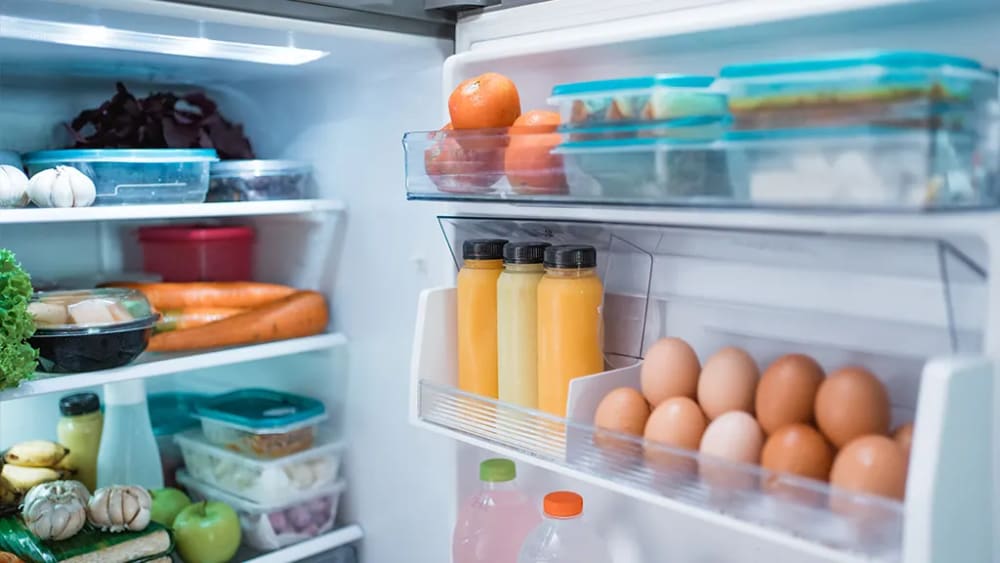
Power outages can happen unexpectedly due to storms, equipment failure, or grid disruptions. When electricity goes out, one of the biggest concerns in any household or food business is food safety. Refrigerators and freezers rely on consistent cold temperatures to slow bacterial growth, and without power, food can quickly become unsafe if not handled properly.
Understanding how long food can stay in the refrigerator without power, what factors influence food safety, and how to make informed decisions about keeping or discarding food can help prevent foodborne illness and reduce unnecessary waste. This comprehensive guide explains the timelines, safety rules, and best practices you should follow during and after a power outage.
Why Temperature Control Matters for Food Safety
Refrigeration works by keeping food at temperatures low enough to slow the growth of harmful bacteria. Most refrigerators are set at or below 40°F (4°C), which is considered safe for storing perishable foods. Once temperatures rise above this threshold, bacteria multiply rapidly.
The temperature range between 40°F and 140°F (4°C to 60°C) is commonly known as the “danger zone.” In this range, bacteria such as Salmonella, E. coli, and Listeria can grow quickly, increasing the risk of food poisoning.
Organizations such as the United States Department of Agriculture and the Food and Drug Administration emphasize that time and temperature together determine food safety. The longer food remains in unsafe temperatures, the greater the risk.
How Long Food Stays Safe in the Refrigerator Without Power
In general, a refrigerator will keep food safe for about 4 hours without power, provided the door remains closed. After this period, the internal temperature may rise above safe levels.
The 4-Hour Rule Explained
If the refrigerator door stays closed:
- Food remains safe for approximately 4 hours
- The temperature inside gradually increases as cold air escapes
- Opening the door frequently shortens this safe window
Once the internal temperature exceeds 40°F (4°C) for more than two hours, perishable foods may no longer be safe to eat.
This rule applies to:
- Meat and poultry
- Fish and seafood
- Eggs
- Milk and dairy products
- Cooked leftovers
- Cut fruits and vegetables
Non-perishable items such as condiments, unopened juices, and certain hard cheeses may last longer.
How Long Food Lasts in the Freezer Without Power
Freezers maintain safe temperatures longer than refrigerators because food is stored frozen and densely packed.
- A full freezer can keep food safe for about 48 hours
- A half-full freezer typically keeps food safe for about 24 hours
Keeping the freezer door closed is critical. Frozen food that still contains ice crystals or remains at 40°F (4°C) or below can often be safely refrozen.
Factors That Affect How Long Food Stays Cold
Several factors influence how long your refrigerator maintains safe temperatures during a power outage.
1. How Full the Refrigerator Is
A full refrigerator retains cold better than an empty one. Food items act as thermal mass, helping maintain lower temperatures longer.
2. Room Temperature
If the surrounding environment is hot, the refrigerator warms up more quickly. Power outages during summer months typically shorten safe storage times.
3. Frequency of Door Opening
Each time the door opens, cold air escapes and warm air enters. Limiting access helps preserve safe temperatures.
4. Appliance Quality and Insulation
Newer or well-insulated refrigerators tend to maintain cold temperatures longer than older models.
5. Initial Food Temperature
Food that was already near the safe temperature limit before the outage will become unsafe faster.
Which Foods Spoil First During a Power Outage
Some foods become unsafe much faster than others. Understanding high-risk items helps prioritize decisions when checking your refrigerator.
High-Risk Foods
These foods should be discarded if the power outage lasts longer than 4 hours:
- Raw or cooked meat
- Poultry
- Seafood
- Milk and cream
- Soft cheeses
- Cooked rice or pasta
- Leftovers
- Deli meats
- Opened baby formula
These items support rapid bacterial growth when temperatures rise.
Moderate-Risk Foods
These may last slightly longer but still require caution:
- Hard cheeses
- Butter
- Yogurt
- Fresh fruits and vegetables
- Opened sauces
If these items develop unusual odor, texture, or appearance, they should be discarded.
Low-Risk Foods
These foods generally remain safe longer:
- Peanut butter
- Jelly and jams
- Mustard and ketchup
- Pickles and olives
- Bread
- Whole uncut fruits
Their low moisture or high acidity slows bacterial growth.
How to Check If Food Is Still Safe
After power is restored, evaluating food safety correctly is essential.
Use a Thermometer
A refrigerator thermometer provides the most reliable information. If food has remained at or below 40°F (4°C), it is generally safe.
Do Not Rely on Smell or Appearance Alone
Dangerous bacteria do not always change the smell or appearance of food. Food may look and smell normal but still be unsafe.
Check Ice Crystals in Frozen Food
If frozen items still contain ice crystals or feel refrigerator-cold, they may be safely refrozen or cooked immediately.
When in Doubt, Throw It Out
Foodborne illness can be serious. Discarding questionable food is safer than risking illness.
Steps to Take During a Power Outage
Knowing what to do immediately after losing power can significantly extend food safety.
Keep Doors Closed
This is the most important action. Opening doors unnecessarily reduces safe time dramatically.
Group Foods Together
Keeping items close together helps retain cold temperatures longer.
Add Ice if Available
If an outage is expected to last longer than four hours, adding ice or ice packs can help maintain safe temperatures.
Use Coolers for Essentials
Transfer high-risk foods to insulated coolers with ice if necessary.
What to Do When Power Returns
Once electricity is restored, follow these steps:
- Check appliance temperature first.
- Discard perishable foods above 40°F (4°C) for more than two hours.
- Refreeze foods that remain partially frozen.
- Clean refrigerator surfaces if food spoiled or leaked.
The Centers for Disease Control and Prevention advises erring on the side of caution to prevent foodborne illness after outages.
Common Mistakes People Make During Power Outages
Opening the Refrigerator Frequently
Curiosity leads many people to check food repeatedly, which accelerates temperature rise.
Trusting the “Smell Test”
Many harmful bacteria produce no noticeable odor.
Refreezing Completely Thawed Meat
If meat has fully thawed and warmed above safe temperatures, refreezing does not make it safe.
Leaving Food Out Too Long After Power Returns
Food safety risks continue even after electricity is restored if food has already warmed.
Preparing in Advance for Future Power Outages
Preparation reduces stress and food loss during emergencies.
Keep Appliance Thermometers
A simple thermometer allows accurate temperature monitoring.
Freeze Water Bottles
Frozen bottles help maintain freezer temperatures longer and provide emergency drinking water.
Maintain Freezer Organization
Well-packed freezers stay cold longer than loosely arranged ones.
Know Your Emergency Plan
Understanding food safety timelines ahead of time helps you make quick decisions.
Special Considerations for Families and Food Businesses
Households with Infants or Elderly Members
Young children, elderly individuals, and people with weakened immune systems are more vulnerable to foodborne illness. Extra caution should be taken when deciding whether to keep or discard food.
Food Service Operations
Restaurants and commercial kitchens must follow stricter food safety regulations and often must discard food sooner to comply with health codes.
Frequently Asked Questions
Can I cook food that warmed up during a power outage?
Cooking may kill bacteria but does not eliminate toxins produced by bacteria. If food has been in unsafe temperatures too long, cooking it is not safe.
Are eggs safe after a long outage?
Eggs should be discarded if refrigerator temperatures exceed safe limits for more than four hours.
Is it safe to refreeze thawed food?
Yes, if the food still contains ice crystals or has remained at or below 40°F (4°C).
Final Thoughts
Power outages are inconvenient, but understanding food safety principles helps you respond calmly and effectively. The general rule is simple: a closed refrigerator keeps food safe for about four hours, while freezers can maintain safe temperatures for up to 24–48 hours depending on fullness.
Temperature awareness, minimizing door openings, and knowing which foods spoil fastest are the keys to preventing foodborne illness. When uncertainty exists, prioritizing safety over saving food is always the best choice.
By preparing in advance and following established food safety guidelines, households and businesses can minimize health risks and food waste during unexpected power outages.