
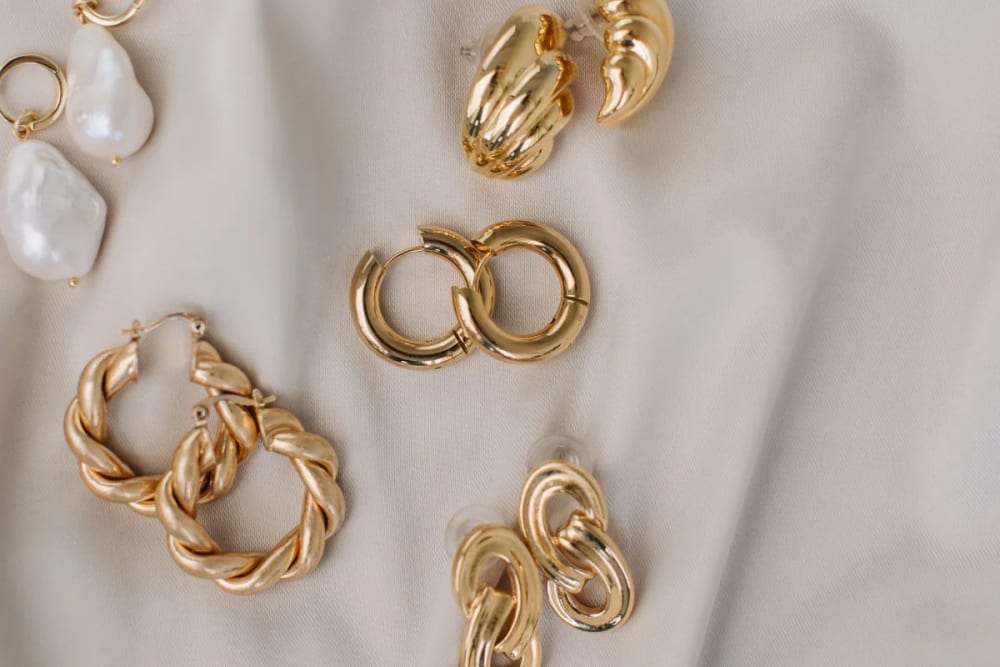
Costume jewelry is a broad and fascinating category within the world of fashion and accessories. Known for its creativity, affordability, and versatility, costume jewelry allows people to experiment with style without the high cost associated with fine jewelry. From bold statement necklaces to elegant imitation gemstone rings, costume jewelry plays an important role in personal expression and fashion history.
This article explores what costume jewelry is, how it differs from fine jewelry, the materials used, its historical evolution, and why it continues to remain popular across generations.
Definition of Costume Jewelry
Costume jewelry refers to decorative jewelry made from non-precious materials rather than solid gold, platinum, or genuine gemstones. It is designed primarily for aesthetic and fashion purposes rather than intrinsic material value. The focus is on appearance, design, and style rather than investment or long-term monetary worth.
Unlike fine jewelry, which uses precious metals and natural gemstones, costume jewelry often incorporates materials such as:
- Base metals like brass, copper, or aluminum
- Glass or crystal stones
- Synthetic or imitation gemstones
- Plastic, acrylic, or resin
- Fabric, wood, or enamel
The term “costume” originates from the idea that the jewelry complements a particular outfit or costume, allowing wearers to change pieces frequently to match different looks or occasions.
Costume Jewelry vs. Fine Jewelry
Understanding the distinction between costume jewelry and fine jewelry helps clarify its purpose and appeal.
Materials and Value
Fine jewelry is made from precious metals such as gold, silver, or platinum and typically includes genuine gemstones like diamonds, rubies, or emeralds. Costume jewelry, on the other hand, uses affordable alternatives that imitate the look of expensive materials.
This difference makes costume jewelry significantly more accessible to a wider audience.
Durability
Fine jewelry is designed for long-term use and can last generations with proper care. Costume jewelry is usually less durable because of plated metals and synthetic components, though high-quality pieces can still last many years when maintained properly.
Purpose
Fine jewelry is often purchased for investment, sentimental value, or special occasions such as weddings and anniversaries. Costume jewelry emphasizes fashion, trends, and self-expression, making it ideal for everyday wear and experimentation.
The History of Costume Jewelry
Costume jewelry has a rich history that reflects changes in fashion, technology, and social trends.
Early Origins
While decorative imitation jewelry existed in ancient civilizations, costume jewelry as we know it today became prominent in the early 20th century. Advances in manufacturing allowed designers to produce stylish pieces at lower costs, making fashionable accessories accessible beyond the wealthy elite.
The Rise of Fashion Designers
The popularity of costume jewelry grew significantly during the 1920s and 1930s, when fashion designers began incorporating jewelry into complete fashion looks. One of the most influential figures was Coco Chanel, who popularized the idea that jewelry did not need to be real to be beautiful. Her designs mixed imitation pearls with gold-tone metals, redefining luxury as style rather than price.
Fashion houses such as Chanel and Dior later expanded costume jewelry collections, helping cement its place in mainstream fashion.
Mid-20th Century Expansion
After World War II, costume jewelry experienced rapid growth. Designers experimented with bold shapes, colorful stones, and innovative materials. Jewelry became larger and more expressive, reflecting optimism and changing fashion trends.
Designers like Kenneth Jay Lane became famous for creating glamorous pieces worn by celebrities and royalty, proving that imitation jewelry could achieve high fashion status.
Materials Used in Costume Jewelry
One of the defining characteristics of costume jewelry is its wide variety of materials. These materials allow designers to produce creative and affordable pieces.
Base Metals
Most costume jewelry uses base metals such as:
- Brass
- Copper
- Zinc alloys
- Stainless steel
These metals are often plated with gold, silver, or rhodium to create a luxurious appearance.
Glass and Crystal
Glass stones and crystals are commonly used to mimic gemstones. Companies like Swarovski became famous for producing precision-cut crystals that sparkle similarly to diamonds.
Plastics and Acrylics
Modern costume jewelry frequently incorporates plastic or acrylic components. These materials allow for bold colors, lightweight designs, and experimental shapes that would be impractical with precious stones.
Synthetic Stones
Lab-created or imitation stones replicate the appearance of natural gems at a fraction of the cost. Cubic zirconia, for example, is widely used as a diamond alternative.
Types of Costume Jewelry
Costume jewelry includes a wide range of accessories designed for different styles and occasions.
Statement Jewelry
Statement pieces are bold, eye-catching items meant to stand out. Oversized necklaces, large earrings, and chunky bracelets fall into this category.
Fashion Jewelry Sets
Many costume jewelry pieces are sold as coordinated sets, including matching necklaces, earrings, and bracelets designed to complement specific outfits.
Vintage Costume Jewelry
Vintage costume jewelry refers to pieces produced in earlier decades, often valued for craftsmanship, rarity, or historical significance. Collectors frequently seek items from the 1940s through the 1970s.
Everyday Fashion Jewelry
Simple and affordable pieces designed for daily wear, such as stud earrings or delicate chains, are among the most popular forms of costume jewelry today.
Why Costume Jewelry Is So Popular
Costume jewelry continues to thrive because it aligns perfectly with modern fashion needs.
Affordability
One of the biggest advantages is cost. Consumers can own multiple pieces without making a large financial investment, allowing for greater variety and creativity.
Trend Flexibility
Fashion trends change rapidly. Costume jewelry allows individuals to update their accessories frequently without committing to expensive purchases.
Creative Expression
Because materials are less costly, designers can experiment with unconventional shapes, colors, and styles. Wearers can express personality and mood through changing accessories.
Accessibility
Costume jewelry makes fashionable accessories accessible to people of all budgets, democratizing style in a way that fine jewelry cannot.
How to Identify Costume Jewelry
Recognizing costume jewelry is relatively straightforward once you know what to look for.
Common indicators include:
- Lightweight construction
- Metal plating rather than solid precious metal
- Glass or synthetic stones
- Lack of precious metal hallmarks
- Visible wear on plated surfaces over time
However, high-quality costume jewelry can sometimes closely resemble fine jewelry, making identification more challenging.
Caring for Costume Jewelry
Although costume jewelry is less durable than fine jewelry, proper care can extend its lifespan significantly.
Avoid Moisture
Water and humidity can cause metal plating to tarnish or peel. Jewelry should be removed before bathing, swimming, or exercising.
Store Properly
Store pieces in separate compartments or soft pouches to prevent scratches and tangling.
Limit Exposure to Chemicals
Perfumes, lotions, and cleaning products can damage finishes and stones. It is best to apply cosmetics before putting on jewelry.
Clean Gently
Use a soft cloth to wipe jewelry after wearing. Avoid harsh cleaners that may damage coatings or adhesives.
Costume Jewelry in Modern Fashion
Today, costume jewelry is an essential part of the global fashion industry. Influencers, designers, and stylists regularly use costume pieces to create layered, dynamic looks. Social media trends have further accelerated demand for bold and affordable accessories that can be easily changed to match evolving styles.
Sustainability has also influenced modern costume jewelry production. Many brands now experiment with recycled metals, eco-friendly plastics, and ethical manufacturing processes to appeal to environmentally conscious consumers.
Collecting Costume Jewelry
While costume jewelry is generally affordable, certain pieces have become highly collectible. Factors that increase collectible value include:
- Designer origin
- Limited production runs
- Unique craftsmanship
- Historical significance
- Excellent condition
Vintage costume jewelry auctions and collector communities continue to grow, demonstrating that artistic design can create lasting value even without precious materials.
Common Misconceptions About Costume Jewelry
It Is Always Cheap
Although affordable, costume jewelry is not necessarily low quality. Many pieces are carefully designed and crafted with attention to detail.
It Has No Value
Some vintage or designer costume jewelry pieces can become valuable collectibles over time.
It Cannot Look Luxurious
High-quality costume jewelry can closely resemble fine jewelry, especially when well-designed and properly styled.
The Future of Costume Jewelry
The future of costume jewelry looks promising as fashion becomes increasingly focused on individuality and sustainability. Advances in materials and manufacturing technology continue to blur the line between fine and fashion jewelry, offering consumers more options than ever before.
Customization, 3D printing, and sustainable materials are expected to shape the next generation of costume jewelry, ensuring that it remains relevant in an evolving fashion landscape.
Conclusion
Costume jewelry represents the intersection of fashion, creativity, and accessibility. Defined by its use of non-precious materials and focus on design rather than intrinsic value, it allows individuals to explore style freely and affordably. From its early adoption by influential designers to its current status as a fashion essential, costume jewelry continues to evolve while maintaining its core purpose: enhancing personal expression through beautiful, wearable design.
Whether worn as a bold statement piece or a subtle everyday accessory, costume jewelry proves that elegance and style are not defined by price but by creativity and confidence.