
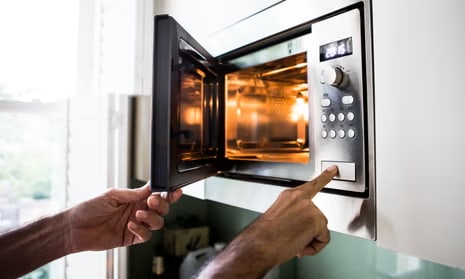
Reheating leftovers is a normal part of everyday life. Whether you're saving last night's dinner or warming up meal prep, reheating food can help reduce waste and save time. However, many people wonder: how many times can you safely reheat food?
The short answer is: ideally, only once. But the real answer depends on several factors including how the food was stored, how it was reheated, and what type of food you're dealing with.
In this in-depth guide, you'll learn the science behind reheating food, the risks of multiple reheats, best practices for safety, and practical tips to keep your meals both delicious and safe.
Why Reheating Food Safety Matters
Food safety isn't just about avoiding spoilage — it's about preventing foodborne illness. Harmful bacteria can grow rapidly when food is handled or stored incorrectly.
When food cools after cooking, it can enter what food safety experts call the temperature danger zone (typically between 5°C and 60°C / 41°F and 140°F). In this range, bacteria multiply quickly.
Reheating improperly stored food may:
- Allow bacteria to multiply to dangerous levels
- Produce toxins that reheating cannot destroy
- Reduce food quality and nutritional value
- Increase the risk of food poisoning
Understanding reheating limits helps you avoid these problems.
The Official Rule: How Many Times Should You Reheat Food?
The recommended guideline
Food safety experts generally advise:
Reheat leftovers only once whenever possible.
This doesn't mean food becomes instantly unsafe after two reheats, but the risk increases each time food is cooled and reheated.
Why only once?
Every time food goes through this cycle:
- Cooked
- Cooled
- Stored
- Reheated
…it spends more time in the danger zone where bacteria can grow.
Repeated reheating:
- Increases bacterial exposure
- Degrades food texture and flavor
- Raises the chance of uneven heating
- Raises food poisoning risk
What Happens When You Reheat Food Multiple Times?
To understand the risk, let's look at what occurs during repeated reheating cycles.
1. Bacterial Growth During Cooling
After cooking, food begins to cool. If it cools slowly, bacteria such as:
- Salmonella
- E. coli
- Listeria
- Bacillus cereus
can multiply quickly.
Each time you cool and store food, you create another opportunity for bacterial growth.
2. Some Bacterial Toxins Survive Reheating
This is very important.
While proper reheating kills many bacteria, some bacteria produce heat-stable toxins. These toxins can remain even after reheating to high temperatures.
A common example is Bacillus cereus, often associated with:
- Rice
- Pasta
- Starchy foods
If toxin levels become high, reheating won't make the food safe.
3. Uneven Heating Becomes More Likely
Each reheating cycle increases the chance that food heats unevenly, especially in microwaves.
Cold spots in food allow bacteria to survive. This is why proper reheating technique matters just as much as limiting the number of reheats.
4. Food Quality Rapidly Declines
Even if food remains technically safe, repeated reheating causes:
- Dry texture
- Loss of flavor
- Nutrient degradation
- Tough proteins
- Mushy vegetables
So even from a quality standpoint, multiple reheats are not ideal.
When Is It Still Safe to Reheat Food Again?
While the best practice is once, food may be reheated more than once if strict safety conditions are met.
It may be safe IF:
- The food was cooled quickly
- It was stored in the refrigerator within 2 hours
- It was kept at or below 5°C (41°F)
- It was reheated thoroughly each time
- It shows no signs of spoilage
- It has not been sitting out repeatedly
However, every additional reheating cycle increases risk.
Practical advice: Instead of reheating the whole dish repeatedly, only reheat the portion you plan to eat.
The Best Practice: Reheat Only What You Need
This is the safest and smartest approach.
Why portioning works
When you divide food into smaller portions:
- You avoid reheating the same food multiple times
- Cooling happens faster and more safely
- Food quality stays better
- Bacterial risk is reduced
Example
❌ Risky method:
- Cook large pot of curry
- Reheat entire pot each meal
- Return leftovers to fridge repeatedly
✅ Safe method:
- Cook large pot
- Divide into single-meal containers
- Reheat only one container at a time
This simple habit dramatically improves food safety.
How Long Can You Keep Food Before Reheating?
Reheating safety also depends on how long the food has been stored.
General refrigerator guidelines
Most leftovers should be eaten within:
- 3 to 4 days in the refrigerator
After this, bacterial growth risk increases even if the food looks fine.
Freezer option
Freezing pauses bacterial growth.
You can safely:
- Freeze leftovers
- Reheat once after thawing
- Avoid multiple reheats
Proper Reheating Temperatures
Reheating must be hot enough to kill bacteria.
Safe internal temperature
Food should reach:
At least 74°C (165°F) internally
This ensures most harmful bacteria are destroyed.
Signs food is not reheated properly
Watch out for:
- Lukewarm centers
- Cold spots
- Uneven steam
- Thick foods still cool inside
Use a food thermometer when possible.
Special Foods That Require Extra Caution
Some foods are riskier than others when reheated multiple times.
Rice and Starchy Foods
Rice is one of the most commonly mishandled foods.
Why it's risky:
- Often contaminated with Bacillus cereus spores
- Spores survive cooking
- Produce toxins if left at room temperature
Safe rice rules:
- Cool quickly (within 1 hour ideally)
- Refrigerate promptly
- Reheat only once
- Heat until steaming hot
Chicken and Other Poultry
Poultry is highly perishable.
Risks include:
- Salmonella
- Campylobacter
- Rapid spoilage
Best practice:
- Reheat only once
- Ensure very hot throughout
- Avoid leaving out at room temperature
Seafood
Seafood deteriorates quickly and is sensitive to reheating.
Problems with multiple reheats:
- Strong off smells develop
- Texture becomes rubbery
- Bacterial risk increases
Limit seafood reheating to once whenever possible.
Cream-Based and Dairy Dishes
Examples:
- Cream soups
- Alfredo pasta
- Custards
- Milk-based sauces
These foods:
- Support bacterial growth
- Separate when reheated repeatedly
- Spoil faster
Use extra caution and avoid multiple reheats.
Microwave vs Stove vs Oven: Which Is Safest?
Different reheating methods affect safety.
Microwave
Pros:
- Fast
- Convenient
- Energy efficient
Cons:
- Uneven heating
- Cold spots common
Safety tips:
- Stir halfway through
- Cover food
- Let stand 1–2 minutes after heating
- Ensure steaming hot throughout
Stovetop
Pros:
- More even heating
- Better for soups and sauces
- Easier temperature control
Cons:
- Requires monitoring
- Can dry food if overheated
Generally safer than microwaving for thick dishes.
Oven
Pros:
- Even heat distribution
- Good for large portions
Cons:
- Slower
- Can dry food
Best for casseroles and large meals.
Warning Signs You Should NOT Reheat Food Again
Never reheat food if you notice:
- Sour or unusual smell
- Slimy texture
- Mold growth
- Bubbling when cold
- Unusual discoloration
- Food left out more than 2 hours (1 hour in hot weather)
Important: When in doubt, throw it out.
Food poisoning is never worth the risk.
The Two-Hour Rule You Must Follow
One of the most important safety rules.
The rule
Cooked food should not sit at room temperature for more than:
- 2 hours (normal conditions)
- 1 hour if above 32°C (90°F)
After this, bacteria may have multiplied to unsafe levels.
If food has been left out too long, reheating will not make it safe.
Safe Cooling Techniques Before Reheating
Cooling properly is just as important as reheating properly.
Cool food quickly
Safe methods include:
- Divide into shallow containers
- Use small portions
- Spread food out
- Use ice baths for soups
- Leave space in fridge for airflow
Avoid these mistakes
❌ Leaving large pots to cool on the counter
❌ Putting hot food in deep containers
❌ Covering tightly while still very hot
❌ Waiting hours before refrigerating
Fast cooling = safer reheating later.
Meal Prep and Reheating Strategy
If you meal prep regularly, follow this system.
Smart meal prep workflow
- Cook food thoroughly
- Cool quickly
- Portion into single servings
- Refrigerate or freeze
- Reheat each portion once
- Discard leftovers from reheated portions
This approach minimizes risk and keeps food tasting better.
Frequently Asked Questions
Can you reheat food twice if it was refrigerated properly?
Technically yes, but it is not recommended. Each reheating cycle increases risk. It is safer to reheat only once.
Is it safe to reheat food left out overnight?
No. Food left at room temperature overnight should be discarded, even if reheated.
Does freezing reset the reheating count?
Freezing stops bacterial growth but does not kill toxins already present. After thawing, you should still aim to reheat only once.
Why does rice get special warnings?
Because Bacillus cereus spores commonly survive cooking and can produce toxins if rice is cooled slowly or left out too long.
Can you reheat takeaway food multiple times?
Same rule applies:
- Reheat once
- Store properly
- Heat thoroughly
Takeaway food is often higher risk because you don't control the initial handling.
Key Takeaways
If you remember nothing else, remember these food safety fundamentals:
- ✅ Ideally reheat food only once
- ✅ Reheat to at least 74°C (165°F)
- ✅ Store leftovers within 2 hours
- ✅ Eat refrigerated leftovers within 3–4 days
- ✅ Reheat only the portion you plan to eat
- ✅ When in doubt, throw it out
Final Thoughts
So, how many times can you reheat food?
Best practice: once.
Absolute maximum (with perfect handling): possibly more — but risk increases each time.
Food safety is all about minimizing opportunities for bacteria to grow. The more times food moves between hot, warm, and cold temperatures, the greater the risk becomes.
The smartest habit is simple:
Cook once, portion once, reheat once.
By following proper storage, cooling, and reheating techniques, you can enjoy leftovers safely while maintaining the best flavor and texture.
If you'd like, I can next create a quick reheating safety checklist or printable kitchen guide.