
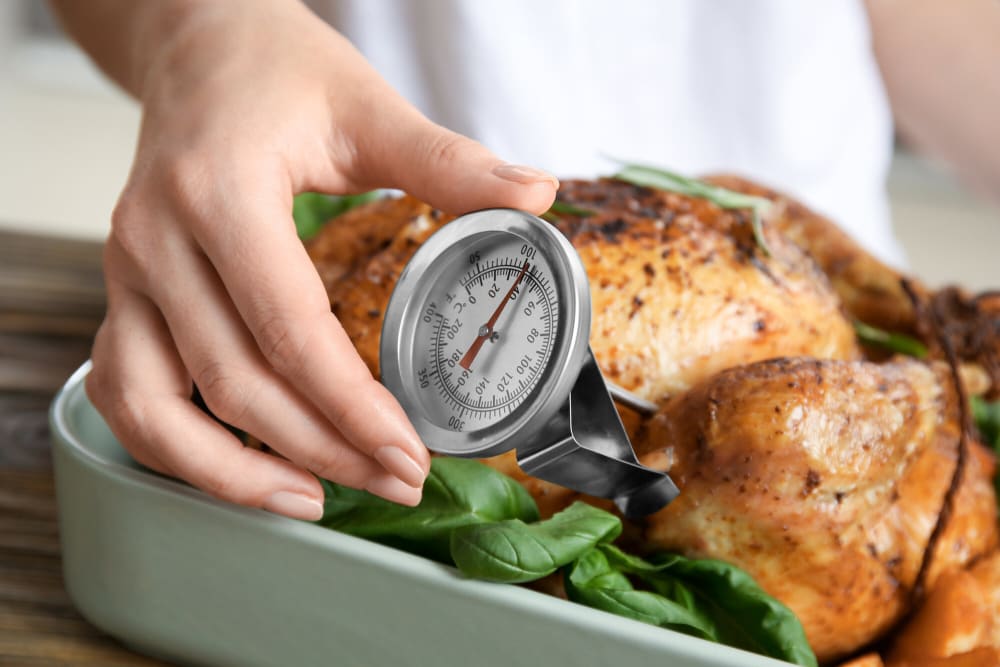
Food safety is one of the most important aspects of cooking, storing, and serving meals. Many people assume that food becomes dangerous only when it smells bad or looks spoiled. In reality, harmful bacteria can grow rapidly in foods that appear perfectly normal. Understanding which foods allow bacteria to grow well—and at what temperatures—can help prevent foodborne illness and keep you and your family safe.
This comprehensive guide explains the temperature “danger zone,” identifies high-risk foods, explores how bacteria multiply, and provides practical steps to keep food safe from farm to table.
Understanding the Temperature Danger Zone
The key concept in food safety is the temperature danger zone. This is the temperature range in which bacteria grow most quickly.
The danger zone is typically between 5°C and 60°C (41°F to 140°F).
Within this range:
- Bacteria can double in number in as little as 20 minutes
- Many pathogens grow rapidly
- Food can become unsafe even if it looks and smells fine
Why Temperature Matters
Bacteria need certain conditions to thrive:
- Moisture
- Nutrients
- Time
- Suitable temperature
Temperature is the factor most easily controlled. When food stays too long in the danger zone, harmful microorganisms such as Salmonella, E. coli, and Listeria can multiply to dangerous levels.
Foods Most Likely to Support Bacterial Growth
Not all foods are equally risky. Some foods naturally support bacterial growth better than others. These are often called potentially hazardous foods or TCS foods (Time/Temperature Control for Safety foods).
Below are the main categories.
High-Risk Protein Foods
Protein-rich foods provide excellent nutrients for bacteria.
Raw and Cooked Meat
Meat is one of the most common foods that allows bacteria to grow well when kept at unsafe temperatures.
Examples include:
- Beef
- Chicken
- Turkey
- Lamb
- Goat meat
Why meat is risky:
- High moisture content
- Rich in protein
- Neutral pH that supports bacterial growth
- Often handled during processing
Raw poultry is especially risky because it frequently carries Salmonella or Campylobacter.
Critical point: Cooked meat can be just as dangerous as raw meat if left in the danger zone too long.
Fish and Seafood
Seafood spoils quickly and supports rapid bacterial growth.
High-risk items include:
- Fresh fish
- Shrimp
- Shellfish
- Crab
- Lobster
Seafood is particularly sensitive because:
- It contains high moisture
- It often carries natural marine bacteria
- It decomposes quickly at room temperature
Dairy Products
Dairy foods are another major category where bacteria grow easily.
Milk and Cream
Milk is nearly perfect for bacterial growth because it contains:
- Water
- Protein
- Sugar (lactose)
- Neutral pH
If milk is left at room temperature, bacteria can multiply rapidly.
Cheese
Not all cheese is equally risky.
Higher-risk cheeses:
- Soft cheeses
- Cream cheese
- Cottage cheese
- Ricotta
Lower-risk cheeses:
- Hard cheeses like cheddar or parmesan (because of lower moisture)
Yogurt
Yogurt contains beneficial bacteria, but harmful bacteria can still grow if it is stored improperly in the danger zone.
Cooked Rice, Pasta, and Grains
Many people are surprised to learn that cooked rice and pasta can be dangerous.
Why Cooked Rice Is Risky
Cooked rice can support growth of Bacillus cereus, a bacterium that produces toxins.
Risk factors:
- Rice spores survive cooking
- Warm, moist environment encourages growth
- Toxins may not be destroyed by reheating
This is why leftover rice left on the counter overnight can cause food poisoning.
Pasta and Noodles
Cooked pasta behaves similarly to rice. When left in the danger zone, bacteria multiply quickly.
Particularly risky situations:
- Buffet trays
- Leftovers left out
- Improper cooling
Eggs and Egg-Based Foods
Eggs can support bacterial growth, especially when raw or lightly cooked.
Raw Eggs
Raw eggs may contain Salmonella. Foods made with raw eggs are high risk, including:
- Homemade mayonnaise
- Some desserts
- Certain sauces
Cooked Egg Dishes
Even cooked egg dishes become dangerous if left at room temperature.
Examples:
- Scrambled eggs
- Omelets
- Quiches
- Egg casseroles
Prepared and Mixed Foods
Mixed foods are often the most dangerous because they combine multiple high-risk ingredients.
Examples of High-Risk Prepared Foods
- Sandwich fillings
- Salads with mayonnaise
- Casseroles
- Soups and stews
- Gravies
- Buffets and catered foods
These foods often:
- Contain protein
- Hold moisture
- Sit at warm temperatures during service
Cut Fruits and Vegetables
Whole fruits and vegetables are generally safer than animal products, but once cut, their risk increases.
Why Cutting Increases Risk
When produce is cut:
- Protective skin is broken
- Moisture is released
- Nutrients become available to bacteria
- Surface contamination spreads inside
Higher-Risk Produce
- Cut melons
- Sliced tomatoes
- Leafy greens
- Pre-cut fruit mixes
Cut melons are especially risky because their interior supports bacterial growth if not refrigerated.
The Role of Time in Bacterial Growth
Temperature alone does not determine safety. Time spent in the danger zone is critical.
The Two-Hour Rule
Food should not remain in the danger zone for more than 2 hours.
If the surrounding temperature is very warm (above 32°C or 90°F), the limit drops to 1 hour.
What Happens Over Time
- 0–2 hours: Generally safe to refrigerate
- 2–4 hours: Risk increases; consume immediately
- Over 4 hours: Food should be discarded
Bacteria multiply exponentially, not linearly. That means small delays can lead to big risks.
Temperatures Where Bacteria Grow Best
While the danger zone spans 5°C to 60°C, bacteria grow fastest in a narrower range.
Rapid Growth Range
Most harmful bacteria grow most rapidly between:
21°C and 49°C (70°F to 120°F)
Room temperature (around 20–25°C) is especially ideal for many pathogens.
Cold Temperatures
Refrigeration (≤5°C / 41°F):
- Slows bacterial growth
- Does not kill most bacteria
- Extends safe storage time
Hot Temperatures
Proper cooking temperatures:
- Kill most harmful bacteria
- Must reach safe internal temperatures
- Must be maintained during hot holding
Common Real-Life Risk Situations
Understanding theory is helpful, but real-world habits matter most.
Leaving Food on the Counter
One of the most common mistakes is leaving food out after cooking.
High-risk examples:
- Pizza left overnight
- Rice cooling slowly
- Meat dishes sitting out
- Milk left unrefrigerated
Buffets and Parties
Buffet settings are notorious for food safety problems.
Why buffets are risky:
- Food sits in the danger zone
- Frequent handling
- Long serving times
- Temperature control is inconsistent
Improper Cooling of Leftovers
Large containers of hot food cool slowly, allowing bacteria to multiply.
Problem foods:
- Large pots of soup
- Big trays of rice
- Thick stews
- Whole roasts
How to Keep Food Out of the Danger Zone
Prevention is straightforward once you understand the rules.
Refrigerate Promptly
- Refrigerate within 2 hours
- Within 1 hour if the room is very warm
- Keep fridge at or below 5°C (41°F)
Keep Hot Foods Hot
Hot holding temperature should be:
60°C (140°F) or higher
Use:
- Chafing dishes
- Slow cookers
- Steam tables
Cool Foods Safely
To cool food quickly:
- Divide into shallow containers
- Use ice baths
- Stir frequently
- Avoid large, deep containers
Reheat Properly
Reheat leftovers to:
At least 74°C (165°F)
This helps kill bacteria that may have grown during storage.
Special Considerations for Home Kitchens
Many food safety guidelines are designed for restaurants, but they apply equally at home.
Refrigerator Overcrowding
An overfilled refrigerator cannot maintain safe temperatures.
Tips:
- Allow air circulation
- Do not block vents
- Use a fridge thermometer
Power Outages
During power outages:
- Keep refrigerator doors closed
- Use food within safe time limits
- Discard perishable food if unsure
Cross-Contamination
Even properly cooked food can become unsafe if contaminated after cooking.
Prevent by:
- Using separate cutting boards
- Washing hands thoroughly
- Keeping raw and cooked foods separate
Signs Food May Have Been in the Danger Zone Too Long
Unfortunately, dangerous food often shows no obvious signs.
However, possible warning signs include:
- Sour smell
- Slimy texture
- Mold growth
- Off taste
Important: Absence of these signs does NOT mean the food is safe.
When in doubt, throw it out.
Why Some Foods Are Less Risky
Not all foods support bacterial growth equally.
Lower-risk foods include:
- Dry foods (crackers, cereals)
- High-acid foods (vinegar, pickles)
- High-sugar foods (jam, honey)
- Shelf-stable canned goods
These foods either lack moisture or have conditions that inhibit bacterial growth.
Key Takeaways
Understanding which foods allow bacteria to grow well can dramatically reduce the risk of foodborne illness.
Remember these essentials:
- The danger zone is 5°C to 60°C (41°F to 140°F)
- Bacteria grow fastest around room temperature
- High-protein, moist foods are most risky
- Never leave perishable food out longer than 2 hours
- Refrigeration slows growth but does not kill bacteria
- Proper cooking and reheating are critical
Food safety is largely about controlling time and temperature. By keeping foods either cold enough or hot enough—and minimizing the time they spend in between—you can significantly reduce the chance of harmful bacterial growth.
Staying informed and practicing safe food handling habits protects not only your health but also the well-being of everyone who shares your meals.