
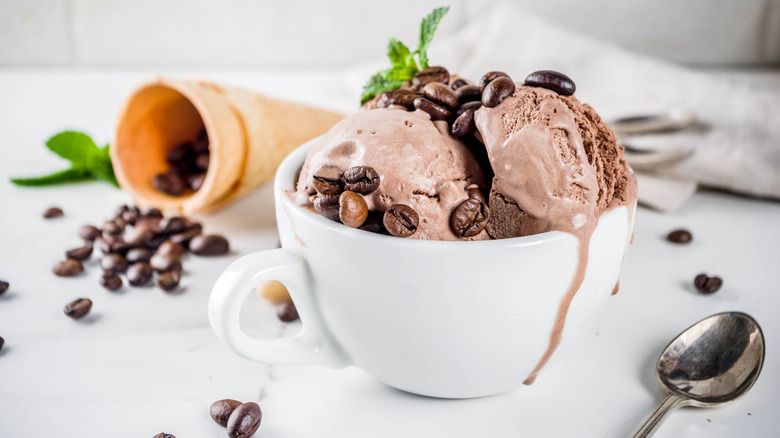
Coffee ice cream is a favorite dessert for many people who love the rich, bold flavor of coffee combined with creamy sweetness. It is often enjoyed as a late-night treat, a summer dessert, or even as part of a milkshake. However, a very common and important question arises, especially for parents, caffeine-sensitive individuals, and those avoiding stimulants: does coffee ice cream have caffeine?
The short answer is yes, coffee ice cream usually contains caffeine, but the amount can vary widely. In this in-depth guide, we will explore how much caffeine is typically found in coffee ice cream, what factors influence caffeine levels, whether it is safe for children or pregnant individuals, and how it compares to other caffeinated foods. By the end, you will have a clear understanding of whether coffee ice cream fits your dietary and lifestyle needs.
What Is Coffee Ice Cream Made Of?
To understand whether coffee ice cream has caffeine, it helps to first look at what goes into it.
Common Ingredients in Coffee Ice Cream
Most coffee ice cream recipes include:
- Milk or cream
- Sugar
- Coffee or coffee extract
- Eggs in some traditional recipes
- Flavorings or stabilizers
How Coffee Flavor Is Added
Coffee flavor can be added to ice cream in several ways:
- Brewed coffee
- Espresso shots
- Instant coffee granules
- Coffee extracts or concentrates
- Coffee-flavored syrups
Does Coffee Ice Cream Contain Caffeine?
Yes, coffee ice cream generally contains caffeine because it is made using real coffee or coffee-based flavorings. However, the caffeine content is much lower than a typical cup of coffee.
The presence of caffeine depends on:
- The type of coffee used
- The amount of coffee in the recipe
- Serving size
- Whether the brand uses real coffee or artificial flavoring
How Much Caffeine Is in Coffee Ice Cream?
The amount of caffeine in coffee ice cream can range from very low to moderate.
Average Caffeine Content
On average, coffee ice cream contains:
- About 20 to 50 milligrams of caffeine per cup
Comparison by Serving Size
A typical scoop of ice cream is about half a cup. That means one scoop of coffee ice cream may contain:
- Around 10 to 25 milligrams of caffeine
Why Caffeine Levels Vary Between Brands
Not all coffee ice cream is created equal. Several factors influence caffeine levels.
Use of Real Coffee vs Artificial Flavor
Ice creams made with real brewed coffee or espresso contain more caffeine than those made with artificial coffee flavoring. Artificial flavors may contain little to no caffeine.
Strength of the Coffee Used
Some brands use strong espresso or concentrated coffee, while others use diluted coffee for subtle flavor.
Processing and Heating
Heat can slightly reduce caffeine levels, but most of the caffeine remains intact during ice cream production.
Premium and Artisanal Brands
Artisanal and gourmet ice cream brands often use high-quality coffee beans, which can increase caffeine content compared to mass-produced options.
Does Decaf Coffee Ice Cream Exist?
Yes, decaffeinated coffee ice cream does exist, though it is less common.
Is Decaf Truly Caffeine-Free?
Decaffeinated coffee is not completely caffeine-free. It usually contains small traces of caffeine.
Decaf coffee ice cream may contain:
- 1 to 5 milligrams of caffeine per serving
How to Identify Decaf Coffee Ice Cream
Look for labels that specifically mention:
- Decaffeinated coffee
- Decaf coffee flavor
- Caffeine-free or low-caffeine
Coffee Ice Cream vs Other Caffeinated Desserts
Coffee ice cream is not the only dessert that may contain caffeine.
Comparison With Chocolate Ice Cream
Chocolate ice cream contains caffeine due to cocoa, but usually less than coffee ice cream.
- Chocolate ice cream: about 5 to 10 milligrams per cup
- Coffee ice cream: about 20 to 50 milligrams per cup
Coffee Ice Cream vs Mocha Ice Cream
Mocha ice cream combines coffee and chocolate, often resulting in slightly higher caffeine levels than coffee ice cream alone.
Coffee Ice Cream vs Coffee-Flavored Yogurt
Coffee-flavored frozen yogurt or desserts may contain caffeine levels similar to coffee ice cream, depending on the recipe.
Can Coffee Ice Cream Keep You Awake?
This is a common concern, especially when coffee ice cream is eaten at night.
Effects of Caffeine Sensitivity
If you are sensitive to caffeine, even a small amount can:
- Increase alertness
- Cause restlessness
- Delay sleep
- Raise heart rate
Timing Matters
Eating coffee ice cream earlier in the day is less likely to cause sleep disruption. Late-night consumption may be an issue for some people.
Is Coffee Ice Cream Safe for Children?
Parents often ask whether coffee ice cream is appropriate for kids.
Caffeine and Children
Children are more sensitive to caffeine than adults. Even small amounts can cause:
- Hyperactivity
- Difficulty sleeping
- Nervousness or irritability
Occasional vs Regular Consumption
An occasional small serving of coffee ice cream is unlikely to cause harm for most children. However, regular consumption is not recommended.
Better Alternatives for Kids
For younger children, it is safer to choose:
- Vanilla ice cream
- Strawberry ice cream
- Fruit-based flavors
- Chocolate in moderation
Is Coffee Ice Cream Safe During Pregnancy?
Pregnant individuals often need to monitor caffeine intake carefully.
Recommended Caffeine Limits
Many health organizations recommend limiting caffeine intake during pregnancy to around 200 milligrams per day.
Coffee Ice Cream and Pregnancy
A serving of coffee ice cream typically contributes a small amount toward this limit. However, when combined with other caffeine sources like coffee, tea, or chocolate, it can add up.
Best Practices During Pregnancy
- Track total daily caffeine intake
- Choose smaller portions
- Consider decaf coffee ice cream
Does Coffee Ice Cream Affect People with Anxiety?
Caffeine can worsen anxiety symptoms in some individuals.
Potential Effects
Even small amounts of caffeine may:
- Increase nervousness
- Trigger jitteriness
- Cause rapid heartbeat
Who Should Be Cautious
People with anxiety disorders, panic disorders, or sensitivity to stimulants may want to avoid coffee ice cream or consume it in small amounts.
How to Tell If Your Coffee Ice Cream Has Caffeine
Not all packaging clearly states caffeine content, but there are ways to make informed choices.
Check the Ingredient List
Look for terms such as:
- Coffee
- Espresso
- Coffee extract
- Instant coffee
Brand Information and FAQs
Some brands publish caffeine content on their websites or in customer support sections.
Ask or Research Artisanal Brands
Small-batch or local ice cream makers can often tell you exactly what they use.
Can You Remove or Reduce Caffeine in Coffee Ice Cream?
Once ice cream is made, caffeine cannot be removed. However, you can reduce intake by choosing specific options.
Ways to Lower Caffeine Intake
- Eat smaller portions
- Choose decaf versions
- Avoid combining with other caffeinated foods
- Opt for coffee-flavored ice cream without real coffee
Does Coffee Ice Cream Taste Stronger Than It Is Caffeinated?
Interestingly, strong coffee flavor does not always mean high caffeine.
Flavor vs Caffeine Content
Coffee flavor intensity depends on:
- Type of coffee bean
- Roasting process
- Flavor concentration
Coffee Ice Cream for People Avoiding Caffeine
If you are trying to avoid caffeine completely, coffee ice cream may not be the best choice unless it is clearly labeled decaf or caffeine-free.
Caffeine-Free Alternatives
Consider alternatives such as:
- Coffee-flavored ice cream made with artificial flavoring
- Vanilla ice cream with coffee syrup substitute
- Caramel or toffee ice cream
- Chicory-flavored desserts
Health Considerations Beyond Caffeine
While caffeine is a major concern, coffee ice cream also contains sugar and fat.
Sugar Content
Ice cream often contains high sugar levels, which can impact:
- Blood sugar levels
- Weight management
- Energy crashes
Fat and Calories
Cream-based ice creams are high in calories and saturated fat. Moderation is important for overall health.
Frequently Asked Questions About Coffee Ice Cream and Caffeine
Does Coffee Ice Cream Have More Caffeine Than Tea?
In most cases, coffee ice cream has less caffeine than a cup of tea, but it depends on serving size and brand.
Can Coffee Ice Cream Cause Jitters?
For sensitive individuals, yes, especially if consumed alongside other caffeine sources.
Is Coffee Ice Cream Addictive?
The caffeine content is generally low, so it is unlikely to cause dependency, but sugar cravings can develop.
Is There Caffeine in Coffee Ice Cream Milkshakes?
Yes, milkshakes made with coffee ice cream contain the same caffeine as the ice cream used, possibly more if additional coffee is added.
Final Thoughts: Does Coffee Ice Cream Have Caffeine?
So, does coffee ice cream have caffeine? In most cases, yes. Coffee ice cream usually contains caffeine because it is made with real coffee or coffee-based ingredients. However, the amount is significantly lower than a cup of coffee and varies widely by brand, recipe, and serving size.
For most adults, enjoying coffee ice cream in moderation is unlikely to cause problems. However, children, pregnant individuals, and people sensitive to caffeine should be mindful of portions or choose decaffeinated alternatives. Understanding what goes into your dessert helps you make informed choices that align with your health goals and lifestyle.
If you love the taste of coffee but want to avoid caffeine, look for decaf or coffee-flavored options. With the right knowledge, you can enjoy your favorite frozen treat without unwanted surprises.