
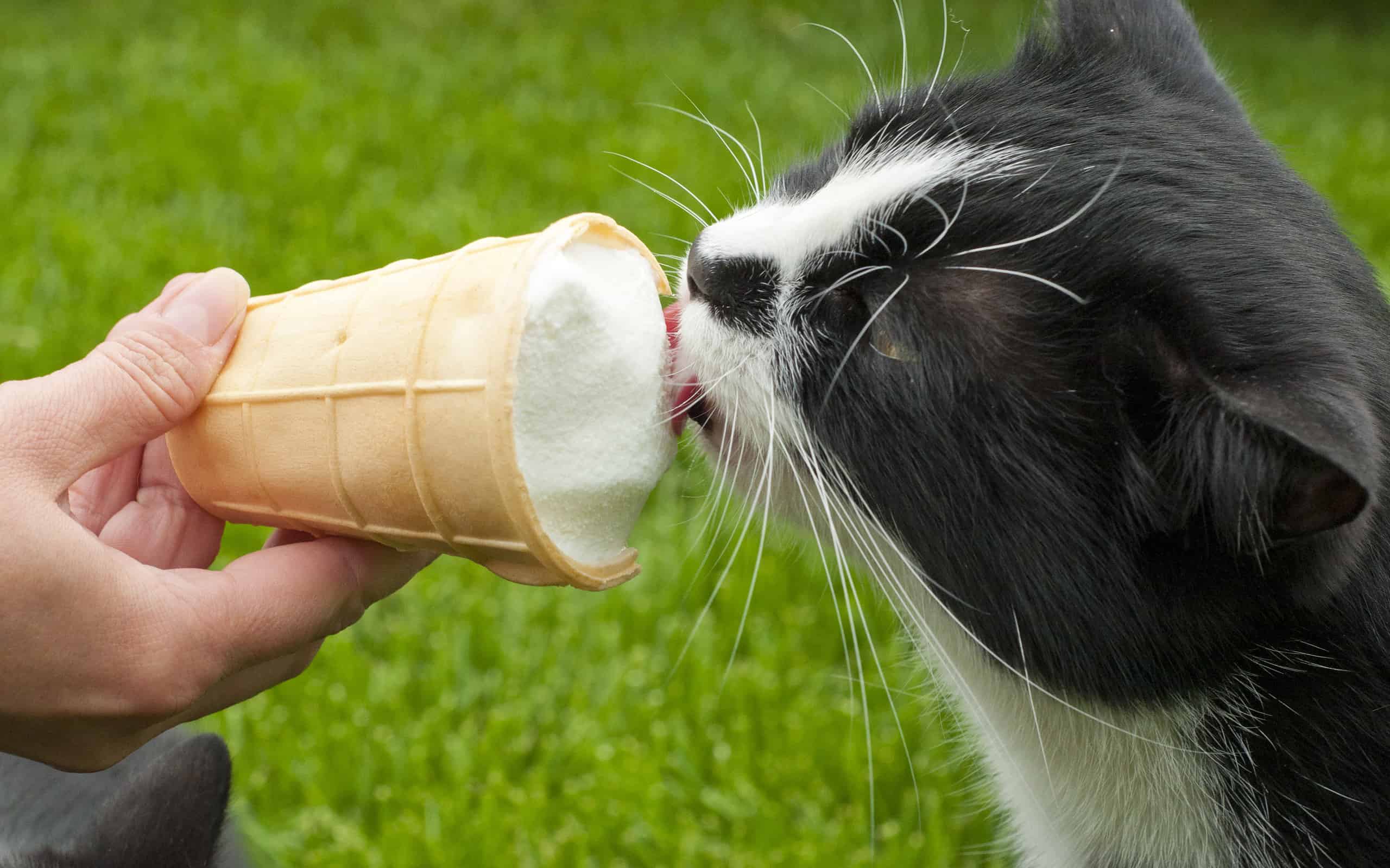
Cats are curious creatures, especially when it comes to food. If you are enjoying a bowl of ice cream, chances are your cat may show interest by sniffing, pawing, or even trying to steal a lick. This often leads to a common question among pet owners: can cats eat ice cream?
While ice cream may seem harmless and even tempting to share, it is not designed for feline digestion. In this in-depth guide, we will explore whether cats can eat ice cream, what happens if they do, the potential health risks, safe alternatives, and how to handle accidental exposure. By the end of this article, you will have a clear understanding of whether ice cream should ever be part of your cat’s diet.
Understanding a Cat’s Digestive System
To understand whether ice cream is safe for cats, it is important to know how a cat’s digestive system works.
Cats Are Obligate Carnivores
Cats are obligate carnivores, meaning their bodies are biologically designed to thrive on animal-based proteins. Unlike humans, cats do not need carbohydrates, sugars, or dairy products to meet their nutritional requirements.
Their digestive systems are optimized for:
- Meat-based proteins
- Animal fats
- Specific amino acids like taurine
Lactose Intolerance in Cats
Most adult cats are lactose intolerant. As kittens, cats produce an enzyme called lactase, which helps them digest their mother’s milk. However, after weaning, lactase production significantly decreases.
Because of this, dairy products like ice cream can be difficult or impossible for adult cats to digest properly.
Can Cats Eat Ice Cream?
The short answer is no, cats should not eat ice cream.
While a tiny lick is unlikely to be immediately life-threatening, ice cream offers no nutritional benefit to cats and poses several health risks. Regular or even occasional consumption can lead to digestive problems and other complications.
What Happens If a Cat Eats Ice Cream?
If a cat eats ice cream, the effects depend on the amount consumed, the ingredients, and the cat’s individual sensitivity.
Common Short-Term Reactions
Many cats experience digestive upset after consuming ice cream, including:
- Diarrhea
- Vomiting
- Gas and bloating
- Abdominal discomfort
Behavioral Changes
Some cats may become lethargic or uncomfortable after eating ice cream. Others may show signs of restlessness due to stomach discomfort.
Delayed Symptoms
In some cases, symptoms may appear several hours after ingestion. If symptoms persist or worsen, veterinary attention may be required.
Why Ice Cream Is Bad for Cats
Ice cream contains several ingredients that are unsuitable for cats.
Lactose and Dairy
As mentioned earlier, lactose intolerance is common in adult cats. Dairy products can cause gastrointestinal distress and dehydration due to diarrhea.
Sugar Content
Cats do not need sugar in their diet. Excess sugar can contribute to:
- Weight gain
- Obesity
- Diabetes
- Dental problems
High Fat Levels
Ice cream contains high levels of fat, which can:
- Upset a cat’s stomach
- Lead to pancreatitis in severe cases
- Contribute to long-term weight issues
Dangerous Ingredients in Ice Cream for Cats
Some ice cream ingredients are not just unhealthy but potentially dangerous for cats.
Chocolate Ice Cream
Chocolate contains theobromine and caffeine, both of which are toxic to cats. Even small amounts can cause serious health issues, including:
- Rapid heart rate
- Tremors
- Seizures
- In severe cases, death
Artificial Sweeteners
Some ice creams contain artificial sweeteners. While xylitol is more dangerous to dogs than cats, it is still best to avoid any artificial sweeteners entirely.
Flavor Additives and Toppings
Ingredients such as:
- Coffee
- Alcohol flavorings
- Nuts
- Raisins
- Caramel syrups
Is Vanilla Ice Cream Safe for Cats?
Vanilla ice cream is often considered the safest flavor by humans, but that does not mean it is safe for cats.
Why Vanilla Ice Cream Is Still a Bad Choice
Even plain vanilla ice cream contains:
- Dairy
- Sugar
- Fat
While vanilla ice cream may be less dangerous than chocolate, it is still not recommended.
Can Kittens Eat Ice Cream?
Kittens should never eat ice cream.
Why Kittens Are at Higher Risk
Kittens have delicate digestive systems and specific nutritional needs for growth. Ice cream can interfere with proper digestion and nutrient absorption.
Even though kittens can digest milk better than adult cats, ice cream is not the same as kitten milk and should be avoided completely.
Can Cats Eat Lactose-Free Ice Cream?
Lactose-free ice cream removes one problem but not all of them.
Remaining Concerns
Even lactose-free ice cream contains:
- Sugar
- Fat
- Artificial flavors
Lactose-free does not mean cat-safe.
Can Cats Eat Plant-Based or Vegan Ice Cream?
Plant-based ice creams may seem like a safer alternative, but they are not suitable for cats either.
Why Plant-Based Ice Cream Is Not Ideal
Vegan ice creams often contain:
- Sugar
- Coconut milk or almond milk
- Stabilizers and additives
Additionally, cats require animal-based nutrients that plant-based foods do not provide.
Why Do Cats Like Ice Cream?
If ice cream is bad for cats, why do they seem interested in it?
Attraction to Fat and Smell
Cats are attracted to the smell and texture of ice cream, particularly the fat content. Fatty foods trigger a strong sensory response, even if the food is not good for them.
Curiosity and Human Behavior
Cats often want what their owners are eating. Watching you enjoy ice cream can make it seem appealing to them.
This curiosity does not mean the food is safe.
Can Ice Cream Harm Cats Long-Term?
Occasional exposure may not cause lasting damage, but repeated consumption can lead to long-term problems.
Obesity
Ice cream is calorie-dense. Even small amounts can contribute to weight gain in cats.
Diabetes
Cats are prone to diabetes, and high-sugar foods increase the risk significantly.
Chronic Digestive Issues
Repeated exposure to unsuitable foods can lead to ongoing gastrointestinal problems.
What to Do If Your Cat Eats Ice Cream
If your cat accidentally eats a small amount of ice cream, do not panic.
Monitor Your Cat
Watch for symptoms such as:
- Vomiting
- Diarrhea
- Lethargy
- Loss of appetite
Provide Fresh Water
Make sure your cat has access to clean water to prevent dehydration.
When to Call the Vet
Contact your veterinarian if:
- Symptoms persist for more than 24 hours
- Your cat ate chocolate or coffee ice cream
- Your cat shows signs of severe distress
Safe Alternatives to Ice Cream for Cats
If you want to treat your cat, there are much safer options available.
Cat-Specific Treats
Commercial cat treats are formulated to meet feline nutritional needs and are the safest option.
Cat Ice Cream or Frozen Treats
Some pet brands offer cat-friendly frozen treats made with lactose-free milk or meat-based broths.
Frozen Meat Broth Cubes
Plain, unsalted chicken or fish broth frozen into cubes can be a refreshing and safe treat.
Plain Cooked Meat
Small pieces of cooked chicken or turkey without seasoning make an excellent treat.
How to Safely Treat Your Cat
Treats should only make up a small portion of your cat’s diet.
Follow the Treat Rule
Treats should not exceed 10 percent of your cat’s daily calorie intake.
Avoid Human Food by Default
When in doubt, do not share human food with your cat unless approved by a veterinarian.
Frequently Asked Questions About Cats and Ice Cream
Can Cats Lick Ice Cream Once?
A single lick is unlikely to cause serious harm, but it should not become a habit.
Can Cats Eat Ice Cream Every Now and Then?
No, even occasional feeding is not recommended due to digestive risks and lack of nutritional value.
Is There Any Ice Cream Made for Cats?
Yes, some pet brands produce cat-safe frozen treats specifically designed for feline digestion.
Why Does My Cat Act Like They Love Ice Cream?
Cats are attracted to fat and smell, not because the food is healthy or beneficial.
Tips to Prevent Your Cat from Eating Ice Cream
Prevention is better than treatment.
Keep Ice Cream Out of Reach
Store ice cream in sealed containers and avoid leaving bowls unattended.
Offer a Distraction
Give your cat a safe treat or toy while you enjoy your dessert.
Train Gentle Boundaries
Consistently discourage your cat from jumping onto tables or counters.
Final Thoughts: Can Cats Eat Ice Cream?
So, can cats eat ice cream? While a tiny accidental lick is unlikely to cause immediate harm, ice cream is not safe or suitable for cats. Most cats are lactose intolerant, and ice cream contains sugar, fat, and potentially dangerous ingredients like chocolate or coffee flavoring.
Ice cream offers no nutritional benefits and can contribute to digestive upset, obesity, and long-term health problems. Instead of sharing your dessert, choose cat-safe treats that support your pet’s health and well-being.
As a responsible cat owner, understanding what foods are safe helps you protect your feline companion. When it comes to ice cream, it is best to admire your cat’s curiosity and keep the treat to yourself.