
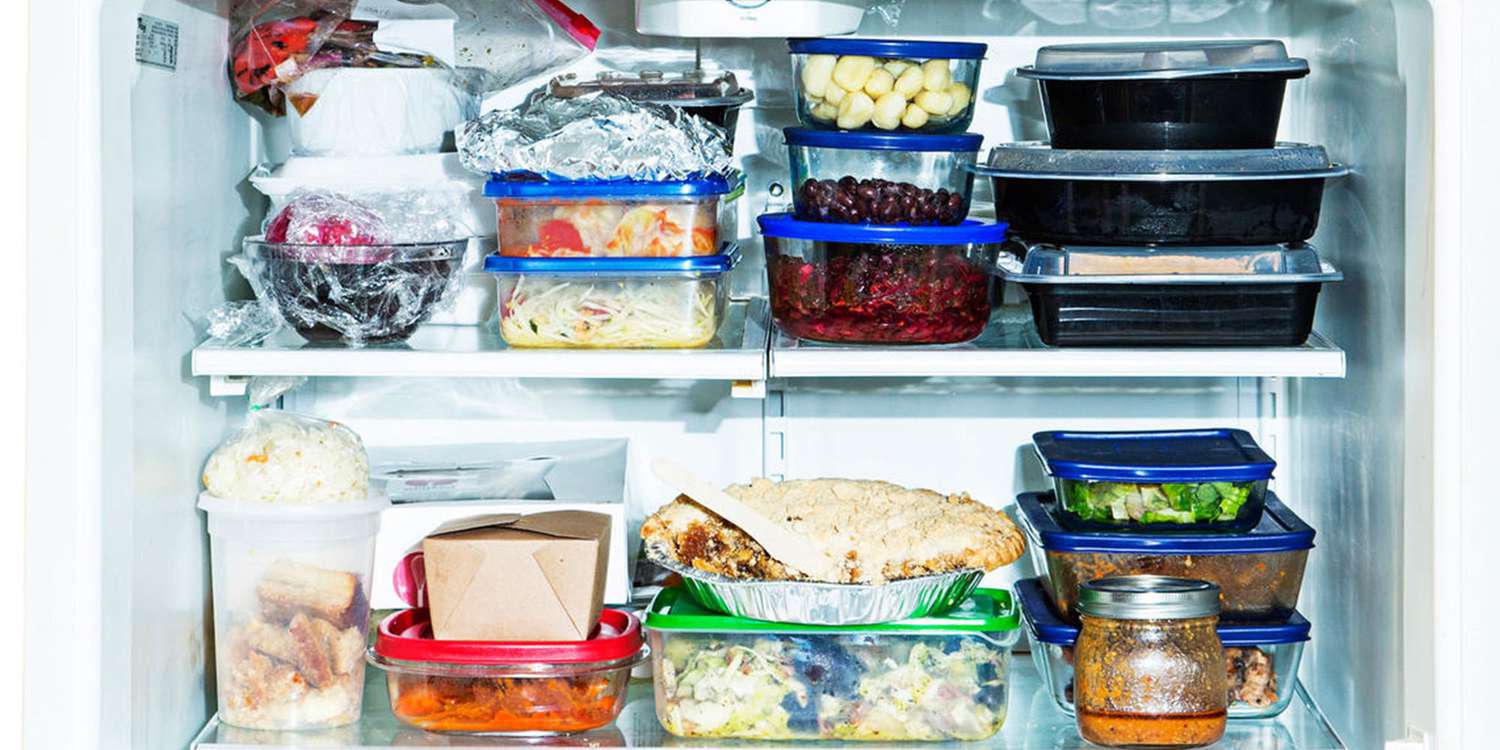
One of the most common kitchen questions people ask is can you put hot food in the fridge. Some believe it is dangerous and can spoil other foods, while others worry that leaving hot food out for too long increases the risk of bacteria. The truth lies somewhere in between, and understanding the science behind food safety can help you make the right decision.
In this in-depth guide, we will explore whether it is safe to put hot food in the fridge, the risks involved, best practices for cooling food, common myths, and expert-backed food safety recommendations. By the end of this article, you will know exactly how to handle hot leftovers safely and confidently.
Why This Question Matters for Food Safety
Food safety is not just about taste or freshness. Improper food handling can lead to foodborne illnesses caused by harmful bacteria. Knowing when and how to refrigerate hot food plays a critical role in preventing these risks.
Bacteria grow rapidly in certain temperature ranges, and understanding this helps explain why people are confused about refrigerating hot food.
The Short Answer: Can You Put Hot Food in the Fridge?
Yes, you can put hot food in the fridge, but it should be done correctly. Modern food safety guidelines actually recommend refrigerating hot food sooner rather than later, as long as you follow proper cooling practices.
The old advice to let food cool completely at room temperature before refrigerating is outdated and can increase the risk of bacterial growth.
Understanding the Temperature Danger Zone
To understand why timing matters, you need to know about the temperature danger zone.
What Is the Temperature Danger Zone?
The temperature danger zone refers to the range in which bacteria grow most rapidly. This range is typically:
- Between 40°F and 140°F
- Between 4°C and 60°C
How Long Can Food Stay in the Danger Zone?
Most food safety guidelines recommend that perishable food should not stay in the danger zone for more than two hours. In hot environments, this window may be even shorter.
Refrigerating food promptly helps move it out of this risky temperature range.
Common Myths About Putting Hot Food in the Fridge
There are several myths that cause confusion around this topic.
Myth 1: Hot Food Will Ruin Your Fridge
Many people believe that putting hot food in the fridge will damage the appliance. While extremely hot food can slightly raise the internal temperature, modern refrigerators are designed to handle small increases without damage.
The real concern is not the fridge itself, but how hot food is stored inside it.
Myth 2: Hot Food Causes Other Food to Spoil
Hot food can raise the temperature inside the fridge temporarily, which may affect nearby items if not handled properly. However, this risk can be minimized by proper placement and portioning.
Myth 3: Food Must Cool Completely Before Refrigeration
This is one of the most persistent myths. Allowing food to cool completely at room temperature can actually increase the risk of bacterial growth.
Why Letting Hot Food Sit Out Can Be Risky
Leaving hot food out for too long allows bacteria to multiply.
Bacterial Growth Over Time
When food cools slowly at room temperature, it spends more time in the danger zone. This creates ideal conditions for bacteria to grow.
High-Risk Foods
Certain foods are especially vulnerable:
- Cooked rice
- Soups and stews
- Meat and poultry
- Dairy-based dishes
- Pasta and casseroles
The Best Way to Cool Hot Food Safely
While you can put hot food in the fridge, there are best practices to follow.
Divide Food into Smaller Portions
Large portions of food retain heat longer. Dividing food into smaller, shallow containers helps it cool faster and more evenly.
Use Shallow Containers
Shallow containers allow heat to escape more quickly than deep pots or bowls.
Leave Lids Slightly Open at First
Leaving the lid slightly open for the first 20 to 30 minutes can help release steam and speed up cooling. Once the food cools slightly, seal it properly.
Avoid Stacking Hot Containers
Do not stack hot containers on top of each other in the fridge. This traps heat and slows cooling.
Can You Put Hot Food Directly in the Fridge?
In most cases, yes, you can put hot food directly in the fridge if it is handled properly.
When It Is Safe
It is generally safe to refrigerate hot food immediately if:
- The food is divided into smaller portions
- Shallow containers are used
- The fridge is not overcrowded
When to Be Cautious
Be more cautious if:
- The food is extremely hot and in a large container
- Your refrigerator is already full
- The food contains thick liquids like soup or stew
How Hot Is Too Hot for the Fridge?
There is no exact temperature at which food becomes unsafe to refrigerate, but common sense and moderation are key.
Practical Guidelines
- Food that is steaming heavily can be allowed to cool slightly
- Warm food is generally fine to refrigerate
- Avoid placing boiling-hot pots directly on fridge shelves
Special Considerations for Different Types of Food
Not all foods behave the same when cooling.
Soups and Stews
Soups and stews retain heat for a long time. Stirring them occasionally before refrigerating and dividing them into smaller containers can help.
Rice and Pasta
Rice is particularly prone to bacterial growth. Refrigerate cooked rice as soon as possible after cooking.
Meat and Poultry
Cooked meat and poultry should be refrigerated promptly to prevent bacterial growth and maintain quality.
Baked Goods
Some baked goods, like bread, do not require refrigeration. Others, such as cream-based desserts, should be cooled and refrigerated quickly.
Does Putting Hot Food in the Fridge Affect Food Quality?
Food safety is not the only concern. Quality matters too.
Texture Changes
Rapid cooling can sometimes affect texture, especially in soups or sauces. However, these changes are usually minor compared to the safety benefits.
Moisture and Condensation
Hot food can release steam, which may cause condensation. Proper containers and sealing once cooled help prevent sogginess.
Flavor Preservation
Refrigerating food promptly helps preserve flavor by slowing spoilage and oxidation.
Energy and Efficiency Concerns
Some people worry about energy use when refrigerating hot food.
Impact on Refrigerator Efficiency
Placing hot food in the fridge can cause the compressor to work harder temporarily. However, the energy impact is minimal for typical household use.
Smart Placement
Placing hot food near the back of the fridge, away from temperature-sensitive items, helps maintain even cooling.
Food Safety Guidelines from Experts
Food safety organizations generally agree on modern cooling practices.
General Recommendations
- Refrigerate leftovers within two hours
- Divide large portions into smaller containers
- Keep the fridge temperature at or below 40°F
- Label and date leftovers
How Long Should Food Cool Before Refrigerating?
There is no need to wait until food reaches room temperature.
Ideal Cooling Window
Allow food to cool just enough to stop excessive steam, usually 15 to 30 minutes, then refrigerate.
This approach balances safety, quality, and appliance efficiency.
What Happens If You Refrigerate Hot Food Incorrectly?
Improper cooling can lead to several issues.
Uneven Cooling
Large containers may stay warm in the center, allowing bacteria to grow.
Increased Spoilage Risk
Food that stays in the danger zone too long is more likely to spoil.
Cross-Contamination
Warm food placed near raw or ready-to-eat items can increase contamination risk.
Proper handling prevents these problems.
Can You Put Hot Food in the Freezer?
Freezing hot food is generally not recommended.
Why Freezing Hot Food Is a Bad Idea
- It raises the freezer temperature
- It can partially thaw nearby items
- It affects food texture
Best Practices for Storing Leftovers
Proper storage extends shelf life and ensures safety.
Label and Date Containers
Always label leftovers with the date they were stored.
Follow Storage Time Guidelines
- Most leftovers last 3 to 4 days in the fridge
- Freeze food you will not eat within that time
Reheat Safely
Reheat food to a safe internal temperature and avoid reheating multiple times.
Special Situations to Consider
Certain situations require extra attention.
Power Outages
If the fridge loses power, avoid opening the door. Once power returns, check food temperatures and safety.
Large Gatherings
After parties or family meals, prioritize cooling large quantities of food quickly using shallow containers.
Restaurants and Meal Prep
Professional kitchens follow strict cooling rules, often using rapid cooling methods to ensure safety.
Frequently Asked Questions About Hot Food and Refrigeration
Is It Better to Let Food Cool Slightly First?
Yes, letting food cool briefly can help, but do not let it sit out for long periods.
Can Hot Food Crack Glass Containers?
Some glass containers may crack due to thermal shock. Use heat-safe containers when possible.
Does Refrigerating Hot Food Cause Condensation?
Yes, but proper sealing after cooling reduces moisture issues.
Final Thoughts: Can You Put Hot Food in the Fridge?
So, can you put hot food in the fridge? Yes, and in many cases, you should. Modern food safety guidelines support refrigerating hot food promptly to reduce the time it spends in the temperature danger zone. The key is doing it correctly by using shallow containers, dividing large portions, and allowing minimal cooling time if needed.
Leaving food out for too long can be far riskier than placing warm food in the fridge. By following best practices, you can protect your health, preserve food quality, and reduce waste. Understanding these principles helps you make smarter decisions in the kitchen and ensures your meals remain safe and enjoyable.