
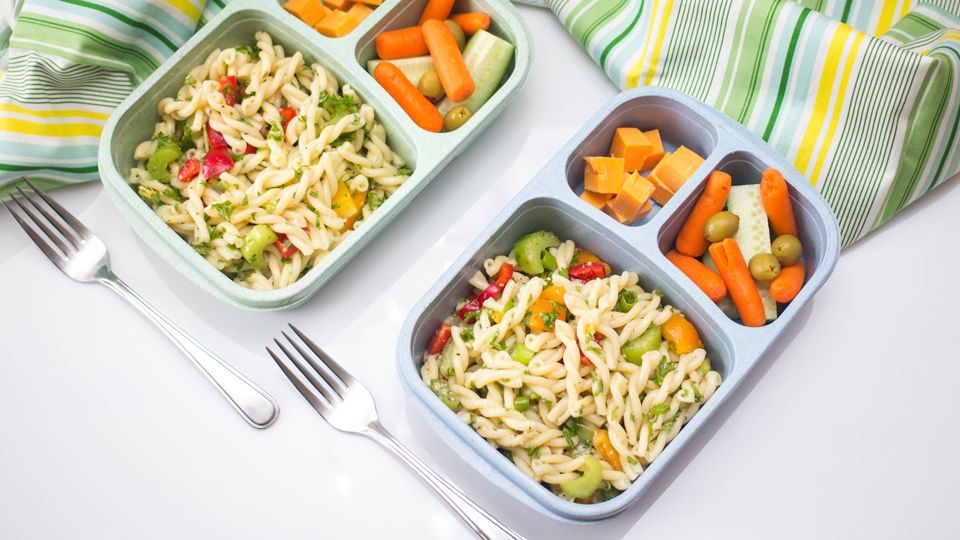
Traveling by air often raises many practical questions, and one of the most common is about food. Whether you want to save money, follow a special diet, travel with kids, or simply enjoy your favorite snacks, knowing can you bring food on a plane is essential. Airline rules, airport security regulations, and international customs laws can make the topic confusing, especially for first-time flyers.
This in-depth guide explains everything you need to know about bringing food on a plane. From solid snacks to liquids, homemade meals to baby food, and domestic flights to international travel, this article covers it all in simple, scan-friendly sections.
Short Answer: Can You Bring Food on a Plane?
Yes, you can bring food on a plane. However, what type of food you can bring, how much you can carry, and where you can pack it depends on security rules, airline policies, and whether you are flying domestically or internationally.
In general, solid foods are easier to carry, while liquids and gels are subject to strict limitations. International flights may also involve customs restrictions at your destination.
Who Sets the Rules for Food on Planes?
Before diving into food types, it is important to understand who controls these rules.
Airport Security Authorities
Airport security agencies, such as the TSA in the United States or equivalent authorities in other countries, control what you can carry through security checkpoints. Their rules mainly focus on safety and liquids.
Airlines
Airlines decide what you can eat on board and whether you can consume your own food during the flight. Most airlines allow passengers to bring and eat their own food, but some restrictions may apply.
Customs and Immigration Authorities
For international flights, customs officials at your destination decide what food you are allowed to bring into the country. Many countries restrict fresh, agricultural, or animal-based products.
Understanding these three layers helps you avoid confusion and unnecessary hassle.
Bringing Food in Carry-On Bags
Carry-on luggage is where most food-related questions arise. Here is how different food categories are treated.
Solid Foods in Carry-On Bags
Solid foods are generally allowed in carry-on bags. These include items such as:
- Sandwiches
- Bread and pastries
- Cookies and crackers
- Chips and pretzels
- Nuts and trail mix
- Chocolate and candy
- Dry fruits and granola bars
Liquid and Gel Foods in Carry-On Bags
Liquid and gel-based foods must follow the liquid rule. Typically, containers must be small and fit within the allowed liquid bag limit.
Examples of liquid or gel foods include:
- Yogurt
- Soup
- Sauces and gravies
- Dips like hummus or salsa
- Peanut butter
- Jam and jelly
- Honey
- Syrup
Creamy and Spreadable Foods
Some foods that seem solid are classified as liquids or gels because of their texture. Examples include soft cheese, creamy desserts, and spreads. These are subject to the same liquid rules.
Frozen Food in Carry-On Bags
Frozen food is allowed if it is completely solid when passing through security. If it begins to melt and contains liquid, it may be confiscated. Ice packs used to keep food cold are also subject to liquid rules unless fully frozen.
Bringing Food in Checked Bags
Checked luggage offers more flexibility when it comes to food.
What Foods Are Allowed in Checked Bags?
Most foods, including liquids, are allowed in checked baggage. Examples include:
- Large bottles of sauces
- Soups and stews
- Beverages
- Oils and condiments
- Frozen food
- Homemade meals
Packing Tips for Food in Checked Luggage
To avoid mess and spoilage:
- Use airtight, leak-proof containers
- Double-bag liquids in sealed plastic bags
- Cushion food items with clothing
- Avoid packing fragile containers
- Label homemade food clearly if possible
Can You Bring Homemade Food on a Plane?
Yes, homemade food is generally allowed on planes. Many travelers bring home-cooked meals, especially on long flights or when dietary needs are involved.
Best Homemade Foods for Air Travel
Foods that travel well include:
- Dry snacks
- Baked goods
- Rice dishes without liquid sauces
- Pasta with thick, non-liquid sauces
- Flatbreads and wraps
Foods to Avoid Bringing Homemade
Some foods may cause issues:
- Strong-smelling items like certain fish or curries
- Very saucy or oily dishes
- Foods that spoil quickly without refrigeration
- Items that may leak during pressure changes
Bringing Food for Babies and Children
Parents often worry about feeding children during flights, but there are special allowances.
Baby Food and Formula
Baby food, formula, breast milk, and toddler drinks are usually allowed in reasonable quantities, even if they exceed standard liquid limits. Security officers may inspect these items, but they are permitted.
Snacks for Kids
Common kid-friendly snacks like fruit slices, crackers, sandwiches, and cereal are allowed. Packing familiar foods can help children stay calm and comfortable during travel.
Special Dietary Needs
If your child has allergies or special dietary requirements, bringing your own food is highly recommended. Inform security if you are carrying medically necessary food items.
Eating Your Own Food on the Plane
Most airlines allow passengers to eat their own food onboard. However, there are some things to keep in mind.
Airline Policies
While eating personal food is generally allowed, airlines may restrict the use of heating devices or open flames. You cannot heat food using airline equipment unless permitted by the crew.
Courtesy to Other Passengers
Avoid foods with strong smells, such as:
- Certain seafood
- Garlic-heavy dishes
- Strong spices
Alcohol and Beverages
You cannot drink alcohol brought from outside unless the airline crew serves it to you. This is a standard safety regulation.
Bringing Food on International Flights
International travel introduces additional rules that many travelers overlook.
Customs Restrictions
Many countries restrict or prohibit the entry of:
- Fresh fruits and vegetables
- Meat and meat products
- Dairy items
- Seeds and plants
Declaring Food at Customs
If you are unsure whether a food item is allowed, declare it. Declaring food does not usually result in penalties, but failing to declare prohibited items can lead to fines.
Packaged vs Fresh Food
Commercially packaged, sealed food items are more likely to be allowed than fresh or homemade foods. Labels help customs officials identify contents quickly.
Special Foods and Unique Situations
Some food categories deserve extra attention.
Bringing Snacks Through Security
Snacks like chips, candy, cookies, and protein bars are among the easiest foods to bring. They rarely cause issues and are ideal for short and long flights.
Bringing Fruit on a Plane
Fruit is usually allowed on domestic flights. However, fresh fruit may be restricted on international flights, especially upon arrival in another country.
Bringing Fast Food on a Plane
You can bring fast food onboard, such as burgers or fries, as long as it passes security. However, consider smell, spillage, and freshness.
Bringing Cultural or Traditional Foods
Many travelers carry traditional foods when visiting family. These are allowed in many cases but can raise issues with liquids, strong smells, or customs restrictions.
Health and Safety Considerations
Food safety is important when traveling.
Food Storage and Temperature
Flights can involve long delays and temperature changes. Choose foods that do not spoil quickly and do not require refrigeration.
Hygiene and Cleanliness
Carry napkins, wet wipes, and hand sanitizer. Airplane trays may not always be as clean as expected.
Allergies and Sensitivities
If you or someone nearby has food allergies, be cautious. Some airlines make announcements about allergens, but personal responsibility is key.
Why Bringing Your Own Food Can Be a Good Idea
There are many advantages to carrying your own food.
Cost Savings
Airport and airline food can be expensive. Bringing your own snacks can significantly reduce travel costs.
Dietary Control
If you follow a specific diet, such as vegetarian, vegan, gluten-free, or halal, bringing your own food ensures you have safe options.
Comfort and Familiarity
Familiar foods can reduce travel stress, especially for children or nervous flyers.
Long Flights and Delays
Delays and limited in-flight service can leave you hungry. Having food on hand ensures you are prepared.
Common Mistakes to Avoid
Even experienced travelers make mistakes when bringing food on planes.
- Forgetting liquid limits for spreads and sauces
- Packing food that leaks or spoils
- Ignoring customs rules for international travel
- Bringing strong-smelling foods
- Not declaring food when required
Tips for Smooth Travel with Food
Here are some practical tips to make your experience easier.
- Pack food in clear containers
- Separate food from electronics in your bag
- Keep liquids within allowed limits
- Research destination customs rules in advance
- Eat perishable food early in the journey
- Be polite and cooperative during security checks
Final Thoughts: Can You Bring Food on a Plane?
So, can you bring food on a plane? Yes, in most cases, you absolutely can. Solid foods are generally allowed in both carry-on and checked luggage, while liquid and gel foods are subject to specific limits. Homemade meals, snacks, baby food, and special dietary items are usually permitted, but international travel may involve additional restrictions.
By understanding security rules, airline policies, and customs regulations, you can confidently pack food that suits your needs. With proper planning, bringing your own food can make your flight more comfortable, affordable, and enjoyable.