
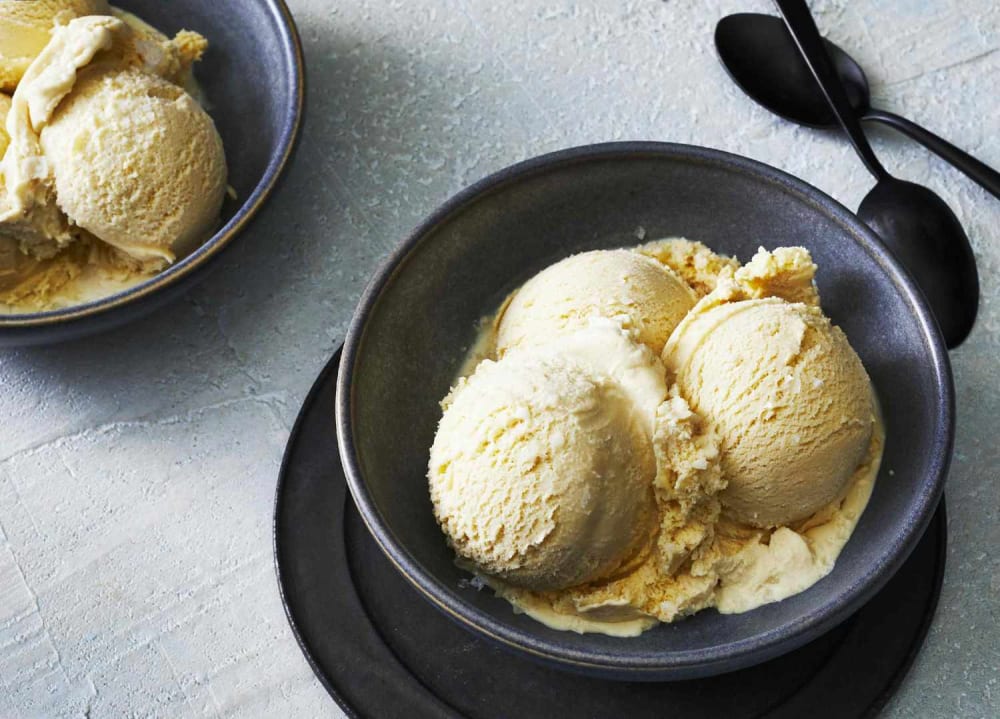
Ice cream is one of the most beloved desserts in the world. Whether you enjoy a classic vanilla scoop, a rich chocolate swirl, or a creative flavor packed with cookies and candy, ice cream offers a sweet escape in every bite. But a common question many people ask is: can ice cream go bad?
The simple answer is yes, ice cream can go bad. Even though it is stored in the freezer, it does not last forever. Over time, ice cream can lose its flavor, texture, and safety due to temperature fluctuations, contamination, and improper storage.
In this comprehensive guide, we will explore how ice cream spoils, how long it lasts in the freezer, signs that it has gone bad, proper storage methods, and tips to keep it fresh for as long as possible.
Understanding Ice Cream and Its Ingredients
To understand whether ice cream can go bad, it helps to look at what ice cream is made of. Ice cream typically contains:
- Milk
- Cream
- Sugar
- Flavorings
- Stabilizers and emulsifiers
- Eggs (in some recipes)
Because ice cream contains dairy products, it is considered a perishable food. Dairy can spoil due to bacterial growth when not stored correctly. Freezing slows down bacterial activity, but it does not completely stop chemical changes or prevent quality deterioration over time.
This means ice cream may remain technically safe for a long time in the freezer, but its taste, texture, and quality can decline.
How Long Does Ice Cream Last in the Freezer?
The shelf life of ice cream depends on several factors, including whether it is unopened or opened, the freezer temperature, and how well it is stored.
Unopened Ice Cream
Unopened ice cream generally lasts 2 to 4 months in the freezer while maintaining optimal quality. Many store-bought ice creams include a “best by” date, which indicates when the product will taste best.
If kept continuously frozen at 0°F (-18°C) or lower, unopened ice cream may remain safe to eat even longer, though its quality may decline.
Opened Ice Cream
Once opened, ice cream is exposed to air and possible contamination. Opened ice cream usually stays fresh for about 1 to 2 months in the freezer if properly sealed.
After that period, you may notice:
- Ice crystals forming
- Changes in texture
- Loss of flavor
While it might still be safe to eat, the eating experience may not be as enjoyable.
Homemade Ice Cream
Homemade ice cream tends to have a shorter shelf life because it usually lacks preservatives and stabilizers.
Homemade ice cream typically lasts 1 to 2 weeks in the freezer before its quality begins to decline significantly.
Why Ice Cream Goes Bad
Ice cream does not spoil in the same way as food stored at room temperature, but several processes can cause it to degrade.
Freezer Burn
Freezer burn occurs when ice cream is exposed to air. Moisture evaporates from the surface and forms ice crystals, leaving the texture dry and grainy.
Although freezer burn is not dangerous, it negatively affects taste and texture.
Temperature Fluctuations
Frequent changes in freezer temperature can partially melt and refreeze ice cream. This process leads to large ice crystals forming inside the dessert, resulting in a gritty or icy texture.
Opening and closing the freezer frequently or storing ice cream in the freezer door can cause these temperature fluctuations.
Bacterial Contamination
If ice cream melts significantly and remains at a warmer temperature for too long, bacteria can grow. This is especially true if someone eats directly from the container with a used spoon.
Once ice cream has melted and been refrozen, bacterial growth may make it unsafe to eat.
Oxidation and Flavor Loss
Over time, exposure to air can cause oxidation, which gradually alters the flavor of ice cream. This may cause it to taste stale or dull compared to freshly opened ice cream.
Signs That Ice Cream Has Gone Bad
While frozen foods rarely spoil dramatically, there are several signs that your ice cream may no longer be good to eat.
Large Ice Crystals
If you notice thick layers of ice crystals on the surface or inside the container, the ice cream has likely been exposed to air or temperature changes.
This usually indicates freezer burn or partial melting and refreezing.
Changes in Texture
Good ice cream should be smooth and creamy. If it becomes:
- Grainy
- Icy
- Hard and crumbly
it has likely lost its quality.
Strange Smell
Ice cream should smell sweet and pleasant. If it has an unusual odor, it may have absorbed smells from other foods or begun to spoil.
Off Taste
A sour or stale taste is a clear sign that the ice cream is no longer good.
Shrunken Container Contents
If the ice cream appears to have shrunk away from the edges of the container, this may indicate sublimation, where moisture has evaporated and refrozen.
While not always unsafe, this usually means the ice cream has been stored too long.
Can Ice Cream Make You Sick?
Yes, ice cream can potentially make you sick if it is contaminated or stored improperly.
The biggest risk occurs when ice cream melts and stays at a temperature where bacteria can grow. Dairy products can harbor harmful bacteria such as:
- Salmonella
- Listeria
- E. coli
If melted ice cream is refrozen, bacteria that developed during the melted stage may remain in the dessert.
Symptoms of foodborne illness from spoiled ice cream can include:
- Stomach cramps
- Nausea
- Vomiting
- Diarrhea
- Fever
To avoid these risks, it is important not to refreeze ice cream that has fully melted.
What Happens When Ice Cream Melts and Refreezes?
Ice cream is designed with a delicate structure made of:
- Tiny ice crystals
- Air bubbles
- Fat droplets
- Sugar solution
When ice cream melts, this structure breaks down. If the melted ice cream is placed back into the freezer, it refreezes unevenly.
This leads to:
- Larger ice crystals
- A gritty texture
- Loss of creaminess
Additionally, if the ice cream stayed warm for too long, bacterial growth could make it unsafe.
Because of this, refrozen ice cream is usually not recommended for consumption.
How to Store Ice Cream Properly
Proper storage is the best way to keep ice cream fresh and prevent it from going bad.
Keep It at a Consistent Temperature
The ideal freezer temperature for ice cream is 0°F (-18°C) or lower. A consistent temperature prevents melting and refreezing cycles.
Store Ice Cream in the Back of the Freezer
The back of the freezer maintains the most stable temperature. Avoid storing ice cream in the freezer door because it experiences frequent temperature changes.
Seal the Container Tightly
Air exposure leads to freezer burn. Always close the lid tightly after scooping ice cream.
Some people also place a piece of plastic wrap directly on the surface of the ice cream before sealing the lid to reduce air contact.
Avoid Leaving Ice Cream Out
When serving ice cream, return the container to the freezer as quickly as possible. Leaving it on the counter for too long increases the chance of melting and refreezing.
Use Clean Scoops
Always use a clean spoon or scoop when serving ice cream. This helps prevent introducing bacteria into the container.
Does Ice Cream Expire?
Ice cream does not expire in the same way fresh foods do, but it does have a recommended shelf life.
Most store-bought ice creams have a best before date, which indicates the period when the product will maintain peak quality.
After this date:
- The ice cream may develop ice crystals
- Flavors may fade
- Texture may change
While it may still be safe to eat if kept frozen, the overall experience may not be as enjoyable.
How to Tell If Ice Cream Is Still Good
If you are unsure whether your ice cream is still good, check the following:
- Look for ice crystals or freezer burn.
- Smell the ice cream for unusual odors.
- Check for changes in texture.
- Taste a small amount if everything else seems normal.
If anything seems unusual, it is better to discard the ice cream rather than risk getting sick.
Tips to Make Ice Cream Last Longer
If you want your ice cream to stay fresh for as long as possible, follow these helpful tips.
Use Smaller Containers
Dividing ice cream into smaller containers reduces the number of times the main container is opened and exposed to air.
Press Plastic Wrap on the Surface
Placing plastic wrap directly on the ice cream surface helps prevent ice crystal formation.
Keep Your Freezer Organized
A well-organized freezer allows you to remove items quickly, minimizing the time the freezer door remains open.
Avoid Temperature Spikes
Do not leave the freezer open for extended periods, and avoid storing warm food inside it.
Does Different Types of Ice Cream Spoil Differently?
Not all ice cream products behave the same in the freezer.
Premium Ice Cream
Premium ice cream contains more cream and less air, which can help it maintain a smooth texture longer.
Low-Fat or Light Ice Cream
These products often contain more water and stabilizers, which can lead to ice crystals forming more quickly.
Dairy-Free Ice Cream
Ice cream made from almond milk, coconut milk, or oat milk can also develop freezer burn or texture changes over time, though spoilage risks may vary depending on the ingredients.
Soft Serve Ice Cream
Soft serve ice cream is designed to be eaten immediately and should not be stored long-term in the freezer.
Common Myths About Ice Cream Spoilage
There are several myths about whether ice cream can go bad.
Myth: Frozen Foods Never Spoil
Freezing slows down spoilage but does not completely stop chemical changes that affect flavor and texture.
Myth: Ice Crystals Mean Ice Cream Is Unsafe
Ice crystals usually indicate freezer burn or temperature changes. While the texture may be unpleasant, the ice cream is not always unsafe.
Myth: Ice Cream Lasts Forever in the Freezer
Ice cream can remain frozen for a long time, but its quality declines after a few months.
When You Should Throw Ice Cream Away
You should discard ice cream if:
- It smells sour or unusual
- It tastes off
- It has been melted for a long time
- The container is damaged or contaminated
- It has been stored in the freezer for many months and tastes stale
If you are ever unsure, it is safer to throw it away.
Final Thoughts
So, can ice cream go bad? The answer is yes. Even though ice cream is stored in the freezer, it can still lose its quality over time and may become unsafe if improperly handled.
Unopened ice cream can maintain good quality for several months, while opened ice cream usually lasts about one to two months when stored correctly. Factors such as air exposure, temperature fluctuations, and contamination can accelerate deterioration.
By keeping your freezer at a stable temperature, sealing containers tightly, and avoiding repeated melting and refreezing, you can extend the life of your favorite frozen treat.
In the end, ice cream is best enjoyed fresh, creamy, and full of flavor—so don’t wait too long before indulging in that delicious scoop.