
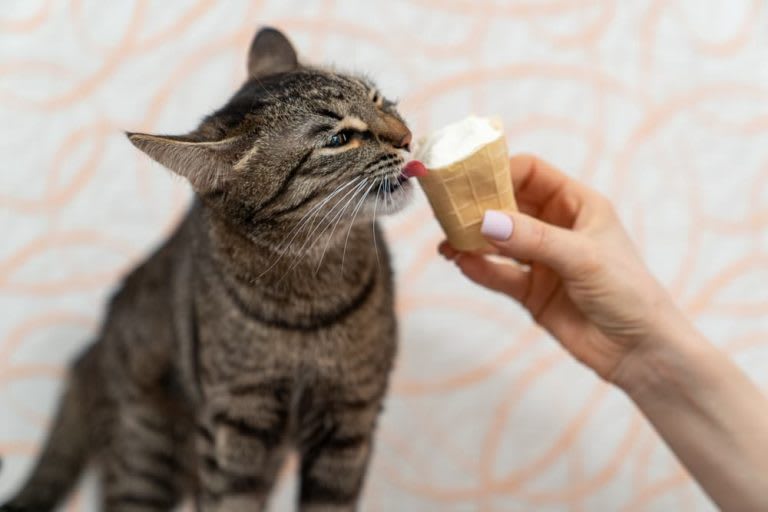
Making cat food at home has become increasingly popular among pet owners who want greater control over what their pets eat. While commercial cat food is convenient, preparing homemade cat food allows you to choose fresh ingredients, avoid unnecessary additives, and tailor meals to your cat’s specific dietary needs.
However, making cat food is not as simple as mixing random ingredients together. Cats have unique nutritional requirements that differ significantly from those of humans and even dogs. To keep your feline healthy, energetic, and happy, homemade cat food must be carefully balanced and prepared correctly.
This comprehensive guide will walk you through everything you need to know about how to make cat food, including nutritional needs, safe ingredients, recipes, preparation methods, and tips for storing homemade cat meals.
Understanding a Cat’s Nutritional Needs
Before making homemade cat food, it's essential to understand what cats require nutritionally.
Cats are obligate carnivores, which means their bodies are designed to thrive on animal-based proteins. Unlike humans or dogs, cats cannot efficiently process plant-based foods as their primary nutrient source.
A balanced homemade cat diet typically includes the following components:
1. Protein
Protein is the most important part of a cat's diet. It supports muscle growth, tissue repair, and overall health.
Common protein sources include:
- Chicken
- Turkey
- Beef
- Fish
- Lamb
- Rabbit
These meats should always be fresh and preferably cooked unless you're following a veterinarian-approved raw diet.
2. Taurine
Taurine is a vital amino acid that cats cannot produce in sufficient amounts on their own. A deficiency can lead to severe health issues such as heart disease, vision loss, and reproductive problems.
Taurine is naturally found in:
- Chicken hearts
- Turkey hearts
- Fish
- Shellfish
Many homemade cat food recipes include taurine supplements to ensure adequate intake.
3. Fats
Healthy fats provide energy and support a shiny coat and healthy skin.
Sources of healthy fats include:
- Chicken fat
- Fish oil
- Salmon oil
- Animal fat from meat
Fats also help cats absorb fat-soluble vitamins.
4. Vitamins and Minerals
Cats require a variety of vitamins and minerals to maintain optimal health, including:
- Calcium
- Phosphorus
- Vitamin A
- Vitamin B complex
- Vitamin D
- Zinc
- Iron
These nutrients are often provided through organ meats, bone meal, or specialized supplements.
5. Water
Cats naturally obtain much of their hydration from food. Homemade cat food should contain moisture, especially if your cat doesn't drink much water.
Wet homemade food helps support kidney and urinary health.
Benefits of Making Cat Food at Home
There are several reasons why pet owners choose to prepare homemade cat food.
Control Over Ingredients
When you make cat food yourself, you know exactly what goes into each meal. This eliminates artificial preservatives, fillers, and low-quality ingredients often found in some commercial products.
Customization for Health Needs
Homemade cat food can be customized to support cats with specific health conditions such as:
- Food allergies
- Digestive issues
- Kidney disease
- Obesity
Veterinarians may recommend tailored diets for these cases.
Improved Freshness
Fresh food can be more appealing to cats and may encourage picky eaters to eat more consistently.
Potential Cost Savings
Depending on ingredients and portion sizes, homemade cat food can sometimes be more affordable than premium commercial brands.
Ingredients Safe for Homemade Cat Food
Choosing the right ingredients is critical for your cat’s safety and health.
Protein Sources
Safe proteins include:
- Chicken breast or thighs
- Turkey
- Lean beef
- Lamb
- Rabbit
- Tuna (in moderation)
- Salmon
Always cook meats thoroughly to eliminate harmful bacteria unless following a vet-supervised raw diet.
Organ Meats
Organ meats provide important nutrients.
Good options include:
- Chicken liver
- Turkey liver
- Chicken hearts
- Beef liver
These should be used in moderation because they are very nutrient-dense.
Healthy Additions
Some additional ingredients can improve nutritional balance:
- Cooked eggs
- Fish oil
- Pumpkin puree (small amounts)
- Bone meal powder
- Calcium supplements
Ingredients to Avoid
Certain foods are toxic or harmful to cats and should never be included in homemade cat food.
These include:
- Onions
- Garlic
- Chocolate
- Grapes
- Raisins
- Alcohol
- Excess salt
- Artificial sweeteners
Avoid dairy products as many cats are lactose intolerant.
Essential Equipment for Making Cat Food
Preparing homemade cat food does not require complicated equipment. However, a few kitchen tools can make the process easier.
Common tools include:
- A sharp knife
- Cutting board
- Large mixing bowl
- Meat grinder or food processor
- Cooking pot or skillet
- Storage containers
- Kitchen scale for portion control
Grinding meat is especially useful when preparing food for kittens or older cats with dental issues.
Basic Homemade Cat Food Recipe
Here is a simple and balanced recipe that many cat owners use as a starting point.
Ingredients
- 2 pounds chicken thighs (boneless or with bones if using a grinder)
- 4 ounces chicken liver
- 4 ounces chicken hearts
- 1 cup water
- 2 egg yolks
- 2000 mg fish oil
- 1 teaspoon taurine powder
- Calcium supplement (if not using bones)
Instructions
Cook the Chicken
Lightly cook the chicken thighs by baking or boiling them. Avoid adding salt or seasoning.
Prepare the Organ Meats
Cook the chicken liver and hearts until fully done.
Grind the Meat
Use a meat grinder or food processor to grind the chicken, liver, and hearts into a smooth mixture.
Add Supplements
Mix in the egg yolks, taurine powder, fish oil, and calcium supplement.
Add Water
Pour in the water and mix thoroughly until the texture becomes soft and moist.
Portion the Food
Divide the mixture into daily meal portions.
Store Properly
Refrigerate portions for up to three days or freeze extra portions for later use.
Raw Cat Food Option
Some pet owners prefer feeding raw diets because they believe it closely mimics what cats eat in the wild.
A raw diet typically includes:
- Raw muscle meat
- Raw organs
- Ground bone
- Nutritional supplements
However, raw diets carry risks such as bacterial contamination and nutritional imbalance. Always consult a veterinarian before switching to raw feeding.
Portion Sizes for Homemade Cat Food
Portion sizes depend on your cat’s:
- Age
- Weight
- Activity level
- Health status
As a general guideline, adult cats eat about 2–3% of their body weight per day in food.
For example:
- A 10-pound cat may eat around 200–250 calories daily.
It is best to divide meals into two or three servings per day.
Storing Homemade Cat Food Safely
Proper storage ensures the food remains fresh and safe.
Refrigeration
Homemade cat food can be stored in the refrigerator for up to three days.
Use airtight containers to prevent contamination.
Freezing
Freezing allows food to last up to three months.
Freeze food in small portions so it can be thawed easily when needed.
Thawing
Always thaw frozen cat food in the refrigerator. Avoid leaving it at room temperature for extended periods.
Transitioning Your Cat to Homemade Food
Cats can be sensitive to dietary changes. A gradual transition helps prevent digestive upset.
Step-by-Step Transition
- Start by mixing 10–20% homemade food with your cat's current food.
- Gradually increase the homemade portion over 7–10 days.
- Monitor your cat for any digestive issues.
If your cat refuses the new food, try warming it slightly to enhance aroma.
Common Mistakes to Avoid
Homemade cat food can be healthy, but certain mistakes can lead to nutritional deficiencies.
Not Adding Supplements
Without supplements, homemade food may lack essential nutrients like taurine, calcium, and vitamins.
Too Many Vegetables
Cats do not need large amounts of plant-based ingredients. Excess vegetables can disrupt digestion.
Feeding Only Muscle Meat
Muscle meat alone lacks vital nutrients found in organs and bones.
Ignoring Veterinary Advice
Always consult a veterinarian or pet nutritionist when creating a long-term homemade diet.
Special Diets for Cats with Health Conditions
Homemade food can be adapted for cats with medical conditions.
Kidney Disease
Cats with kidney issues often require:
- Lower phosphorus
- Moderate protein
- High moisture
Food Allergies
Limited-ingredient diets using novel proteins such as rabbit or duck can help identify allergies.
Weight Management
Lean meats and controlled portion sizes can support healthy weight loss.
Veterinary guidance is essential for therapeutic diets.
Tips for Making Homemade Cat Food Easier
Preparing cat food regularly can become time-consuming, but these tips can simplify the process.
Batch Cooking
Prepare large batches once or twice per month and freeze portions.
Use Pre-Measured Containers
This makes daily feeding quick and convenient.
Rotate Protein Sources
Changing protein sources occasionally can prevent food boredom and provide varied nutrients.
Monitor Your Cat’s Health
Watch for changes in:
- Weight
- Coat quality
- Energy levels
- Stool consistency
These indicators can help determine whether the diet is working well.
When Homemade Cat Food May Not Be Ideal
Although homemade diets can be beneficial, they may not be suitable for every pet owner.
Challenges include:
- Time commitment
- Nutritional balancing
- Ingredient costs
- Need for supplements
If preparing balanced meals consistently is difficult, high-quality commercial cat food may be a safer option.
Final Thoughts
Learning how to make cat food can be a rewarding way to support your pet’s health and well-being. Homemade cat food allows pet owners to control ingredients, provide fresh meals, and customize diets based on individual needs.
However, cats have complex nutritional requirements that must be carefully met to avoid deficiencies. Successful homemade feeding involves using high-quality proteins, including organ meats, adding essential supplements, and maintaining proper portion sizes.
With thoughtful planning, safe ingredients, and guidance from a veterinarian, homemade cat food can become a nutritious and enjoyable part of your cat’s daily routine.