
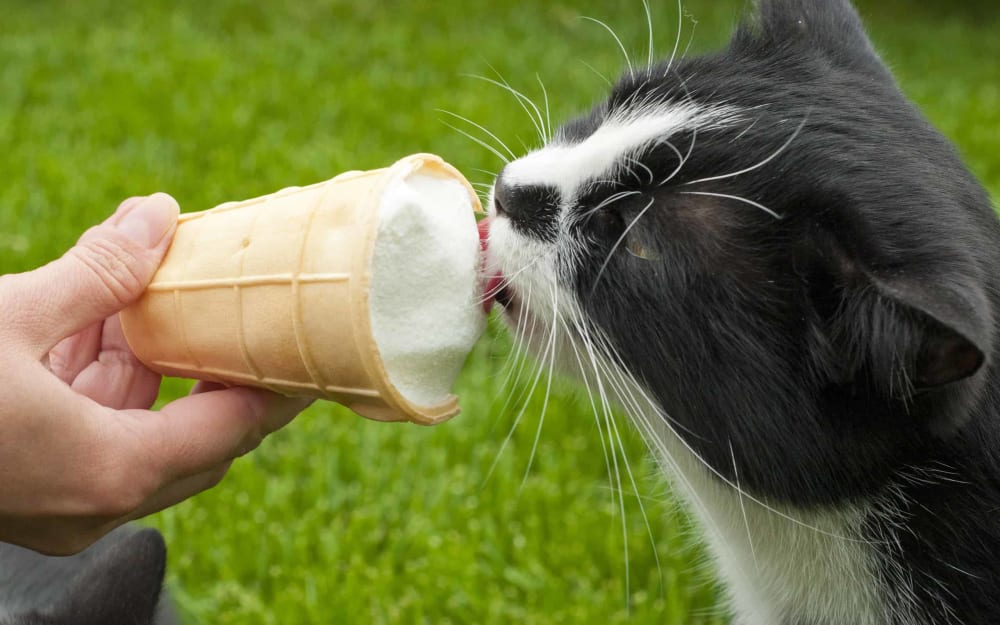
Many cat owners love sharing small treats with their pets. When enjoying a bowl of vanilla ice cream, it can be tempting to offer your feline companion a small lick. After all, cats often seem curious about human food. But is vanilla ice cream actually safe for cats?
The short answer is that cats should not regularly eat vanilla ice cream, even though a tiny lick occasionally is unlikely to cause serious harm. While vanilla ice cream is not toxic in most cases, it contains ingredients that cats struggle to digest and may cause health issues over time.
This guide explores everything you need to know about cats and vanilla ice cream, including whether it’s safe, the potential risks, the ingredients to watch out for, and healthier treat alternatives for your feline friend.
Understanding a Cat’s Natural Diet
Before discussing vanilla ice cream specifically, it helps to understand what cats are naturally designed to eat.
Cats are obligate carnivores, which means their bodies are built to rely primarily on animal-based proteins. Unlike humans or dogs, cats require nutrients that come mainly from meat.
A healthy feline diet typically includes:
- High-quality animal protein
- Moderate fat
- Very minimal carbohydrates
- Essential nutrients like taurine
Foods high in sugar, dairy, or carbohydrates are not part of a cat’s natural diet. This is one of the reasons why desserts like ice cream are not ideal for them.
What Is Vanilla Ice Cream Made Of?
Vanilla ice cream may seem simple, but it contains several ingredients that can be problematic for cats.
Typical vanilla ice cream includes:
- Milk or cream
- Sugar
- Vanilla flavoring or vanilla extract
- Eggs (in some recipes)
- Stabilizers or emulsifiers
While these ingredients are generally safe for humans, cats process them differently. The biggest concerns are dairy and sugar, both of which can cause digestive problems.
Can Cats Safely Eat Vanilla Ice Cream?
Technically, a very small lick of vanilla ice cream is unlikely to be dangerous for most healthy cats. However, that does not mean it is a good treat for them.
There are several reasons why feeding vanilla ice cream to cats is discouraged:
- Most cats are lactose intolerant
- Ice cream contains a high amount of sugar
- It provides no nutritional value for cats
- Some ingredients may upset a cat’s stomach
Because of these factors, vanilla ice cream should be considered an occasional accidental treat at best, rather than something you intentionally feed your cat.
Lactose Intolerance in Cats
One of the main reasons cats should avoid ice cream is lactose intolerance.
Why Cats Are Lactose Intolerant
Kittens produce an enzyme called lactase, which allows them to digest their mother’s milk. However, as cats grow into adulthood, their bodies produce much less lactase.
This means most adult cats cannot properly digest lactose, the sugar found in milk and dairy products.
Symptoms of Lactose Intolerance in Cats
When a lactose-intolerant cat consumes dairy products like ice cream, it may experience digestive issues such as:
- Diarrhea
- Vomiting
- Gas
- Bloating
- Stomach discomfort
These symptoms usually appear within several hours after consuming dairy.
Even if your cat seems to tolerate milk occasionally, frequent exposure can still cause digestive stress.
Sugar Content and Why It’s a Problem
Vanilla ice cream contains a significant amount of sugar. Cats do not need sugar in their diet, and excessive sugar consumption can lead to health problems.
Cats Cannot Taste Sweetness
Interestingly, cats cannot actually taste sweetness. They lack the taste receptors that detect sweet flavors.
So while your cat may show interest in ice cream, it is not because they enjoy the sugary taste. They are more likely attracted to the fat content and creamy texture.
Health Risks of Sugar for Cats
Regular sugar consumption may contribute to:
- Obesity
- Diabetes
- Dental problems
- Digestive upset
Because cats gain no nutritional benefit from sugar, it is best to avoid giving them sugary foods like ice cream.
Is Vanilla Flavor Safe for Cats?
Pure vanilla flavor itself is generally not toxic to cats in tiny amounts. However, the form of vanilla used in ice cream can matter.
Vanilla Extract
Vanilla extract is typically made using alcohol. Large amounts of alcohol can be harmful to cats, but the tiny quantity present in ice cream is unlikely to cause toxicity.
Still, it is another reason why vanilla ice cream is not ideal as a cat treat.
Artificial Vanilla Flavor
Some ice creams use artificial flavorings. While most are safe in small quantities, they offer no health benefits and may still irritate sensitive stomachs.
Ingredients in Ice Cream That Can Be Dangerous
While plain vanilla ice cream is not highly toxic, some varieties contain ingredients that can be dangerous for cats.
Pet owners should watch out for:
Chocolate
Chocolate is toxic to cats and should never be consumed. Ice creams containing chocolate chips, syrup, or cocoa powder can pose serious health risks.
Xylitol
Some sugar-free desserts contain xylitol, a sweetener that is extremely toxic to pets. Even small amounts can cause life-threatening problems.
Nuts and Add-Ins
Certain ice cream toppings or mix-ins may contain ingredients that are unsafe for cats.
Examples include:
- Macadamia nuts
- Coffee flavorings
- Alcohol-infused desserts
If ice cream includes additional ingredients beyond simple vanilla, the risk increases.
What Happens If Your Cat Eats Vanilla Ice Cream?
If your cat sneaks a small lick of vanilla ice cream, there is usually no reason to panic.
Most cats will experience either:
- No reaction at all
- Mild digestive upset
However, it is important to monitor your pet for symptoms.
Signs to Watch For
After consuming ice cream, watch for:
- Diarrhea
- Vomiting
- Excessive gas
- Lethargy
- Loss of appetite
These symptoms typically resolve on their own, but if they persist longer than 24 hours, you should consult a veterinarian.
Why Cats Are Attracted to Ice Cream
Even though cats cannot taste sweetness, many still show interest in ice cream.
This happens for several reasons.
High Fat Content
Ice cream contains cream and milk fat, which cats may find appealing. Cats naturally prefer high-fat foods because fat is an important energy source in their natural diet.
Creamy Texture
The smooth texture of ice cream may also attract cats, especially if they enjoy wet food.
Curiosity
Cats are naturally curious animals. When they see their owners eating something, they may simply want to investigate.
Can Kittens Eat Vanilla Ice Cream?
Kittens may digest dairy slightly better than adult cats because they still produce more lactase.
However, this does not mean ice cream is appropriate for them.
Kittens require carefully balanced nutrition to support their growth. Sugary treats like ice cream can interfere with proper feeding and may upset their stomachs.
For this reason, kittens should not be given vanilla ice cream either.
Healthier Treat Alternatives for Cats
If you want to spoil your cat with a special treat, there are many healthier options available.
Commercial Cat Treats
High-quality cat treats are specifically designed to meet feline nutritional needs.
Look for treats that are:
- High in protein
- Low in carbohydrates
- Made with real meat
Freeze-Dried Meat
Freeze-dried chicken, turkey, or fish can be a great treat for cats.
These treats are:
- High in protein
- Easy to digest
- Free from sugar and dairy
Small Pieces of Cooked Meat
Plain cooked meat can also be a safe and delicious treat for cats.
Good options include:
- Chicken
- Turkey
- Salmon
Make sure the meat is unseasoned and boneless.
Cat-Friendly Frozen Treats
If your cat enjoys cold snacks, you can make simple frozen treats at home.
For example:
- Freeze small portions of wet cat food
- Freeze diluted tuna water into ice cubes
These options provide the texture of ice cream without the unhealthy ingredients.
How to Make Safe “Ice Cream” for Cats
You can also make a cat-safe frozen dessert using simple ingredients.
Simple Cat Ice Cream Recipe
Ingredients:
- Plain unsweetened yogurt (lactose-free if possible)
- Wet cat food
- A small amount of tuna water
Instructions:
- Blend the ingredients together.
- Pour into a small mold or ice cube tray.
- Freeze until firm.
- Serve a small portion as a treat.
This provides a fun frozen snack without the high sugar content of regular ice cream.
How Much Treat Is Too Much?
Even healthy treats should only make up a small portion of your cat’s diet.
Veterinarians generally recommend that treats should account for no more than 10% of a cat’s daily calories.
Overfeeding treats can lead to:
- Weight gain
- Nutritional imbalance
- Digestive issues
Moderation is key to keeping your cat healthy.
When to Contact a Veterinarian
In most cases, a small amount of vanilla ice cream will not cause serious harm. However, you should contact a veterinarian if your cat experiences:
- Persistent vomiting
- Severe diarrhea
- Lethargy
- Signs of poisoning
- Difficulty breathing
Immediate veterinary attention is especially important if the ice cream contained chocolate, xylitol, or alcohol-based ingredients.
Final Thoughts
While vanilla ice cream may seem like a harmless treat, it is not a suitable food for cats. Most cats are lactose intolerant, and the sugar content in ice cream can contribute to health problems over time.
A small lick of vanilla ice cream is unlikely to be dangerous for most cats, but it should not become a regular treat. Instead, opt for healthier alternatives like freeze-dried meat, commercial cat treats, or homemade frozen snacks designed specifically for feline diets.
By choosing treats that match your cat’s nutritional needs, you can keep your pet happy, healthy, and full of energy for years to come.