
Getting sick can disrupt every part of daily life — your appetite drops, energy levels fall, and even simple tasks feel exhausting. While rest and proper medical care are essential for recovery, nutrition plays an equally powerful role in helping the body heal. The foods you eat during illness can support immune function, prevent dehydration, soothe symptoms, and restore strength faster.
Whether you are dealing with a cold, flu, fever, stomach upset, infection, or general fatigue, choosing the right foods can significantly improve comfort and recovery speed. This guide explores the best foods to eat when sick, why they help, and how to include them in your meals, along with foods to avoid and practical eating tips.
Why Food Matters When You Are Sick
When illness strikes, the body works harder than usual to fight infection and repair tissues. Fever increases metabolic demand, inflammation requires nutrients for healing, and loss of appetite can reduce essential nutrient intake.
Proper nutrition helps by:
- Supporting immune cell production
- Preventing muscle loss during weakness
- Maintaining hydration and electrolyte balance
- Reducing inflammation
- Supporting gut health
- Providing energy when appetite is low
Even if you do not feel hungry, small amounts of nutrient-dense food and fluids can make a noticeable difference in recovery.
Key Nutrients Your Body Needs During Illness
Before exploring specific foods, it helps to understand what your body requires most when you are sick.
Protein
Protein helps repair tissues and produce antibodies that fight infection.
Sources include:
- Eggs
- Yogurt
- Chicken
- Lentils
- Beans
- Tofu
Vitamins and Minerals
Certain vitamins become especially important during illness:
- Vitamin C supports immune defense.
- Vitamin A helps maintain respiratory health.
- Zinc supports healing and immunity.
- Iron helps prevent fatigue.
Fruits, vegetables, and whole foods provide these nutrients naturally.
Fluids and Electrolytes
Dehydration is common during fever, vomiting, diarrhea, or respiratory illness.
Important fluids include:
- Water
- Broths
- Herbal teas
- Coconut water
Healthy Carbohydrates
Carbohydrates provide quick energy when your body feels weak.
Good options include:
- Rice
- Potatoes
- Oats
- Bananas
- Toast
Best Foods to Eat When Sick
Different foods help in different ways depending on symptoms. Below are some of the most effective choices.
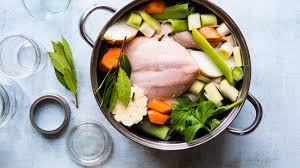
Chicken Soup and Broths
Chicken soup has long been considered a comfort food during illness — and science supports its benefits.
Why It Helps
- Warm broth helps relieve nasal congestion.
- Provides hydration and electrolytes.
- Contains protein and amino acids.
- Easy to digest.
Broths also help when appetite is poor because they deliver nutrients without feeling heavy.
How to Eat It
- Add vegetables like carrots and spinach.
- Include shredded chicken for protein.
- Use garlic and ginger for extra immune support.
Vegetable broth or bone broth are excellent alternatives for vegetarians or those seeking variety.
Rice, Porridge, and Oats
Simple carbohydrates are ideal when digestion feels sensitive.
Benefits
- Gentle on the stomach.
- Provide steady energy.
- Help manage nausea.
Rice porridge or soft oatmeal can be especially comforting during fever or stomach upset.
Serving Ideas
- Add banana slices for sweetness.
- Mix in yogurt or milk for protein.
- Use cinnamon or honey for flavor.
Avoid excessive butter or heavy cream if digestion is weak.
Bananas
Bananas are one of the most recommended foods during illness.
Why Bananas Are Excellent
- Easy to digest.
- Rich in potassium, which replaces lost electrolytes.
- Provide natural sugar for energy.
- Help with diarrhea recovery.
Soft texture also makes them suitable for sore throats or low appetite.
Ways to Eat
- Eat plain.
- Mash into oatmeal.
- Blend into smoothies.
Yogurt and Probiotic Foods
Gut health plays a major role in immunity. Many illnesses — especially those involving antibiotics or stomach problems — disrupt healthy gut bacteria.
Benefits of Yogurt
- Contains probiotics that support digestion.
- Provides protein.
- Supplies calcium and vitamins.
Probiotics can reduce diarrhea duration and improve digestive recovery.
Best Options
Choose:
- Plain yogurt
- Low sugar varieties
- Kefir or fermented dairy
Avoid highly sweetened flavored yogurts when possible.
Eggs
Eggs are a nutritional powerhouse when sick.
Why Eggs Help Recovery
- High-quality protein supports healing.
- Contain vitamin D and B vitamins.
- Soft texture makes them easy to eat.
Scrambled or boiled eggs are usually easiest to tolerate.
Cooking Tips
- Avoid heavy frying.
- Pair with toast or rice.
- Add vegetables for extra nutrients.
Fruits Rich in Vitamin C
Vitamin C supports immune function and helps reduce inflammation.
Best Choices
- Oranges
- Strawberries
- Kiwi
- Guava
- Papaya
These fruits also provide hydration through their water content.
Important Tip
Whole fruits are often better than juice because they contain fiber and release energy gradually.
Applesauce
Applesauce is frequently recommended during stomach illness.
Benefits
- Easy digestion.
- Gentle sweetness.
- Helps regulate bowel movements.
It is especially useful during nausea or diarrhea.
Choose unsweetened versions to avoid excess sugar.
Ginger
Ginger has been used for centuries to relieve digestive discomfort.
How Ginger Helps
- Reduces nausea.
- Supports digestion.
- May reduce inflammation.
It is particularly useful for:
- Morning sickness
- Flu nausea
- Stomach infections
Ways to Use
- Ginger tea.
- Added to soup.
- Fresh grated into warm water with honey.
Garlic
Garlic contains compounds known for antimicrobial and immune-supporting properties.
Potential Benefits
- May help fight infections.
- Supports immune response.
- Adds flavor when appetite is low.
Adding garlic to soups or broths enhances both taste and nutrition.
Honey
Honey can be soothing for respiratory symptoms.
Benefits
- Coats irritated throat.
- Reduces coughing.
- Provides quick energy.
Warm water with honey and lemon is a popular soothing drink.
Avoid giving honey to infants under one year of age.
Herbal Teas
Warm beverages can relieve symptoms while keeping you hydrated.
Helpful Options
- Ginger tea for nausea.
- Chamomile tea for relaxation.
- Peppermint tea for digestion.
Warm liquids also help loosen mucus during colds.
Smoothies
When chewing feels difficult or appetite disappears, smoothies can provide concentrated nutrition.
Benefits
- Easy to consume.
- Highly customizable.
- Combine fruits, protein, and fluids.
Simple Smoothie Ideas
Blend:
- Banana
- Yogurt
- Oats
- Honey
- Milk or plant milk
Avoid excessive sugar or ice if you have a sore throat.
Toast and Crackers
Plain carbohydrates can calm nausea.
Why They Work
- Neutral flavor.
- Easy digestion.
- Help absorb stomach acid.
Many people tolerate dry toast or crackers even when other foods feel overwhelming.
Coconut Water
Electrolytes are often lost through fever, sweating, vomiting, or diarrhea.
Benefits
- Natural potassium source.
- Gentle hydration.
- Easy absorption.
Choose unsweetened coconut water whenever possible.
Leafy Green Vegetables
Vegetables provide vitamins that support recovery.
Best Choices
- Spinach
- Kale
- Broccolini
- Swiss chard
Cooking vegetables until soft makes them easier to digest.
Add them to soups or omelets rather than eating raw during illness.
Sweet Potatoes
Sweet potatoes provide comfort and nutrients.
Benefits
- Rich in vitamin A.
- Support immune health.
- Gentle fiber helps digestion.
Bake or mash them for easier eating.
Foods for Specific Illness Symptoms
Different symptoms benefit from different dietary approaches.
Best Foods for Fever
During fever, hydration becomes critical.
Focus on:
- Broths.
- Water-rich fruits.
- Rice porridge.
- Coconut water.
Avoid heavy oily meals because digestion slows during high temperature.
Foods for Cold and Flu
Respiratory illness often reduces appetite.
Helpful foods include:
- Chicken soup.
- Garlic-based meals.
- Citrus fruits.
- Honey drinks.
Warm foods may also relieve congestion.
Foods for Sore Throat
Texture matters most.
Best choices:
- Yogurt.
- Smoothies.
- Oatmeal.
- Mashed potatoes.
- Scrambled eggs.
Avoid spicy or acidic foods if swallowing hurts.
Foods for Nausea and Vomiting
Eat small portions frequently.
Recommended foods:
- Crackers.
- Rice.
- Bananas.
- Applesauce.
Sip fluids slowly rather than drinking large amounts at once.
Foods for Diarrhea
Focus on easily digestible foods.
Helpful options include:
- Rice.
- Banans.
- Applesauce.
- Toast.
Yogurt may help restore gut bacteria.
Avoid greasy meals until digestion improves.
Hydration: The Most Important Factor
Food matters, but hydration is often more important.
Signs of Dehydration
- Dark urine.
- Dry mouth.
- Fatigue.
- Dizziness.
Drink small amounts regularly rather than waiting until thirsty.
Helpful fluids include:
- Water.
- Oral rehydration solutions.
- Broths.
- Herbal tea.
If vomiting occurs, take small sips every few minutes.
Foods to Avoid When Sick
Certain foods may worsen symptoms or slow recovery.
Fried and Greasy Foods
They are difficult to digest and may cause nausea.
Sugary Foods
Excess sugar may increase inflammation and energy crashes.
Alcohol
Alcohol weakens immune function and causes dehydration.
Highly Processed Snacks
Chips and fast foods lack nutrients needed for healing.
Very Spicy Foods
Spices may irritate sore throats or upset stomachs.
Eating Tips When You Have No Appetite
Loss of appetite is common during illness.
Try these strategies:
- Eat small meals every two to three hours.
- Choose warm foods with aroma to stimulate hunger.
- Drink calories through smoothies or soups.
- Focus on nutrient density rather than quantity.
Even small bites provide benefits.
Quick Meal Ideas When Sick
Here are easy meal combinations requiring minimal effort.
Breakfast Ideas
- Oatmeal with banana and honey.
- Yogurt with soft fruit.
- Smoothie with oats and milk.
Lunch Ideas
- Chicken soup with rice.
- Vegetable broth and toast.
- Egg sandwich.
Dinner Ideas
- Lentil soup.
- Mashed sweet potato with eggs.
- Rice with soft vegetables.
Keep preparation simple to conserve energy.
The Role of Comfort Foods
Comfort foods do more than nourish the body — they support emotional well-being.
Warm, familiar meals may:
- Reduce stress.
- Encourage eating when appetite drops.
- Improve mood.
Mental comfort can indirectly support recovery by helping you rest better and maintain nutrition.
Special Considerations for Children and Older Adults
Certain groups require extra attention during illness.
Children
Children may refuse food.
Focus on:
- Fluids first.
- Smooth textures.
- Mild flavors.
Popsicles made from fruit juice or yogurt can help hydration.
Older Adults
Older individuals may experience dehydration faster.
Encourage:
- Frequent fluids.
- Protein-rich foods.
- Easy chewing textures.
Monitor appetite carefully.
When to Seek Medical Advice
Food supports healing, but medical care becomes necessary if symptoms worsen.
Seek professional help if:
- Fever lasts more than several days.
- Severe dehydration occurs.
- Vomiting prevents fluid intake.
- Sudden weight loss appears.
Nutrition works best alongside proper treatment.
Final Thoughts
Recovering from illness requires patience, rest, hydration, and thoughtful nourishment. The best foods to eat when sick are those that are easy to digest, rich in nutrients, hydrating, and comforting.
Soups, broths, fruits, yogurt, eggs, rice, and herbal teas provide a balance of protein, vitamins, fluids, and energy that the body needs during recovery. Paying attention to symptoms — whether nausea, sore throat, fever, or digestive upset — helps you choose foods that ease discomfort rather than worsen it.
Most importantly, listen to your body. Eat small amounts regularly, drink fluids often, and prioritize simple, nourishing meals. With the right foods and adequate rest, your body gains the support it needs to recover faster and return to full strength.