
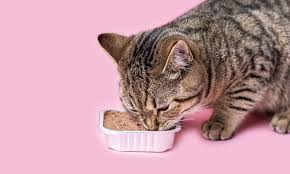
Cats are famously selective eaters, and their dietary needs are very different from those of dogs or humans. One of the most common questions cat owners ask is whether wet food is actually necessary or simply a luxury. Walk down any pet food aisle and you will see shelves filled with canned pâtés, gravy-based meals, and moisture-rich recipes marketed as essential for feline health. But is wet food truly required?
The short answer is that cats do not strictly require wet food to survive, but many veterinarians and feline nutrition experts agree that it can provide significant health benefits. Understanding why involves looking at feline biology, hydration needs, nutrition science, and even behavior.
This in-depth guide explores everything you need to know about wet food for cats — including benefits, drawbacks, comparisons with dry food, health considerations, feeding strategies, and expert recommendations.
Understanding a Cat’s Natural Diet
To understand whether cats need wet food, it helps to look at their evolutionary background.
Cats are obligate carnivores, meaning their bodies evolved to thrive primarily on animal tissue. Unlike omnivores, they rely heavily on nutrients found naturally in meat such as taurine, arachidonic acid, and certain vitamins.
In the wild, cats consume prey animals like rodents and birds. These prey sources typically contain:
- High protein
- Moderate fat
- Very low carbohydrates
- High moisture content (often 65–75%)
That last point is important.
Wild prey contains a large amount of water, which means cats historically obtained much of their hydration from food rather than drinking separately.
Modern dry kibble contains roughly 8–10% moisture, while wet food averages 70–80% moisture — closely mimicking a natural prey diet.
What Is Wet Cat Food?
Wet cat food refers to commercially prepared meals packaged in cans, trays, or pouches containing significant water content.
Common types include:
- Pâté-style recipes
- Shredded meat in gravy
- Chunked or minced formulas
- Stews and broths
Most commercially produced pet foods follow nutritional guidelines established by organizations such as Association of American Feed Control Officials (AAFCO), which sets standards ensuring complete and balanced nutrition when products are properly formulated.
Wet foods may be labeled:
- Complete and balanced (can serve as the main diet)
- Complementary or supplemental (not nutritionally complete)
Always check labels carefully.
Why Wet Food Is Often Recommended
Many veterinarians encourage at least some wet food in a cat’s diet. Here’s why.
1. Improved Hydration
Cats naturally have a low thirst drive.
Unlike dogs, cats may not drink enough water when fed only dry food. This trait evolved because wild cats obtained hydration through prey.
Wet food significantly increases daily water intake.
Better hydration supports:
- Kidney health
- Urinary tract function
- Digestion
- Temperature regulation
This is especially important because urinary and kidney diseases are common in domestic cats.
2. Urinary Tract Health
Urinary problems such as crystals and bladder inflammation are frequent feline medical issues.
Higher moisture intake helps dilute urine, which can reduce the risk of:
- Urinary crystals
- Blockages
- Bladder irritation
Organizations like American Society for the Prevention of Cruelty to Animals (ASPCA) emphasize hydration as an important factor in maintaining urinary health.
Male cats in particular may benefit from moisture-rich diets because urinary blockages can become life-threatening quickly.
3. Kidney Support
Chronic kidney disease is one of the most common conditions affecting aging cats.
Adequate hydration helps kidneys filter waste products more efficiently.
While wet food cannot prevent every case of kidney disease, veterinarians frequently recommend it for:
- Senior cats
- Cats with early kidney concerns
- Cats prone to dehydration
4. Higher Protein Content
Many wet foods contain higher animal protein levels compared with some dry kibbles.
Cats rely heavily on protein for:
- Muscle maintenance
- Energy metabolism
- Immune system support
Because wet foods often contain fewer fillers or carbohydrates, they may better align with feline metabolic needs.
5. Weight Management Benefits
Surprisingly, wet food may help prevent obesity.
Why?
Wet food contains more water, meaning:
- Larger portion sizes feel more filling.
- Calorie density is often lower per gram.
Cats eating wet food sometimes feel satisfied sooner compared to eating calorie-dense kibble.
Obesity increases risks of:
- Diabetes
- Arthritis
- Heart disease
Controlled portions of wet food can help regulate calorie intake.
6. Easier Eating for Certain Cats
Wet food is easier to chew and swallow.
It is particularly beneficial for:
- Senior cats with dental issues
- Kittens transitioning to solid food
- Cats recovering from illness
- Cats missing teeth
Soft textures also help stimulate appetite during recovery.
Situations Where Wet Food Is Especially Helpful
While all cats can benefit from moisture-rich diets, some situations make wet food particularly valuable.
Senior Cats
Older cats often experience:
- Reduced thirst sensation
- Kidney decline
- Dental problems
Wet food addresses all three.
Cats With Diabetes
Many diabetic cats benefit from low-carbohydrate diets.
Some wet foods contain fewer carbohydrates than dry options, helping manage blood sugar levels when recommended by a veterinarian.
Picky Eaters
Wet food tends to be more aromatic.
Stronger smells can encourage cats who:
- Refuse dry food
- Lose appetite during stress
- Recover after surgery
Cats Prone to Urinary Issues
If your cat has experienced urinary crystals or infections, vets commonly recommend increasing moisture intake.
Wet food is one of the simplest ways to do this.
Are There Downsides to Wet Food?
Wet food has many advantages, but it is not perfect.
1. Higher Cost
Wet food generally costs more per serving than kibble.
For multi-cat households, feeding exclusively canned diets can become expensive.
However, many owners balance cost by feeding mixed diets.
2. Storage and Shelf Life
Once opened, wet food spoils quickly.
Typical guidelines:
- Refrigerate leftovers.
- Use within 24–48 hours.
Food left at room temperature too long can grow bacteria.
3. Dental Health Concerns
Dry food is sometimes believed to clean teeth.
While kibble may provide mild abrasion, it does not replace dental care.
Regular brushing or dental treats are still necessary.
Veterinary dental organizations emphasize that brushing remains the most effective method for preventing plaque buildup.
4. Mess and Odor
Wet food smells stronger than dry kibble.
Some owners dislike:
- Strong odors
- Sticky bowls
- Frequent cleaning requirements
Is Dry Food Enough for Cats?
Cats can live healthy lives eating only dry food if it is:
- High quality
- Nutritionally complete
- Properly portioned
Many dry foods meet established nutritional standards recommended by veterinary groups such as World Small Animal Veterinary Association (WSAVA).
However, hydration remains the biggest concern.
Cats eating exclusively dry diets should have:
- Constant access to fresh water
- Multiple water stations
- Possibly a water fountain to encourage drinking
Some cats compensate well by drinking more water.
Others do not.
Wet Food vs Dry Food: Key Differences
Moisture Content
Wet Food:
- Around 70–80% moisture
Dry Food:
- Around 8–10%
Moisture is the single biggest nutritional difference.
Calories
Wet Food:
- Often lower calorie density.
Dry Food:
- Higher calorie concentration.
Portion control matters significantly with kibble.
Convenience
Dry Food:
- Easier storage.
- Can be left out longer.
Wet Food:
- Requires refrigeration after opening.
Palatability
Wet Food:
- Strong aroma.
- Often preferred by picky cats.
Dry Food:
- Less aromatic.
Cost
Dry food usually costs less per calorie.
Wet food costs more but may reduce veterinary issues related to dehydration for some cats.
Should You Feed Both Wet and Dry Food?
Many veterinarians recommend a mixed feeding approach.
Benefits include:
- Hydration support from wet food.
- Convenience from dry food.
- Dietary variety.
Example schedule:
Morning:
- Wet food portion.
Evening:
- Measured dry food.
Mixed feeding also prevents cats from becoming overly dependent on one texture.
Cats raised on only dry food sometimes reject wet food later in life.
How Much Wet Food Does a Cat Need?
The correct amount depends on:
- Weight
- Age
- Activity level
- Health conditions
Average adult cats weighing around 4–5 kg (9–11 lbs) may need roughly:
- Two to three small cans daily if eating only wet food.
Always check calorie content listed on packaging.
Your veterinarian can calculate exact needs.
Transitioning a Cat to Wet Food
Some cats resist change strongly.
Try gradual transitions.
Step-by-Step Method
- Mix small amounts of wet food into dry food.
- Slowly increase wet food over 7–10 days.
- Warm food slightly to enhance smell.
- Offer different textures or flavors.
Patience is key.
Sudden changes can cause digestive upset.
Common Myths About Wet Cat Food
Myth 1: Wet Food Causes Dental Disease
Dental disease is caused primarily by plaque bacteria.
Wet food alone does not cause dental problems.
Dental hygiene matters far more.
Myth 2: Wet Food Is Only for Sick Cats
Healthy cats benefit from hydration too.
Wet food is not only a recovery diet.
Myth 3: Cats Need Crunchy Food to Clean Teeth
Most kibble shatters quickly.
It rarely scrubs teeth effectively.
Professional cleanings and brushing remain best practices.
Signs Your Cat May Benefit From More Wet Food
Consider adding wet food if your cat:
- Rarely drinks water.
- Has urinary problems.
- Is overweight.
- Is aging.
- Eats very quickly.
- Suff ers constipation.
Many behavioral and digestive issues improve with hydration.
Special Considerations for Kittens
Kittens often transition from milk to soft foods.
Wet food helps because:
- It is easy to chew.
- Strong aroma encourages eating.
- High moisture supports growth.
Young cats exposed to varied textures become less picky later.
What Ingredients Should You Look For?
High-quality wet food typically lists:
- Named animal protein first (chicken, turkey, salmon).
- Taurine supplementation.
- Balanced vitamins and minerals.
Avoid excessive fillers or artificial coloring when possible.
Grain content itself is not automatically harmful, but protein quality matters more.
Homemade Wet Food: Is It Safe?
Some owners prepare homemade meals.
However, formulating nutritionally complete feline diets is difficult.
Cats require precise nutrient ratios.
Improper homemade diets can cause:
- Taurine deficiency.
- Bone problems.
- Heart disease.
Consult veterinary nutritionists before attempting homemade feeding plans.
How Often Should Cats Eat Wet Food?
Frequency varies.
Common options include:
- Once daily wet feeding.
- Twice daily meals.
- Exclusive wet feeding.
Cats prefer smaller, frequent meals.
Scheduled feeding also helps monitor appetite changes.
Expert Opinions on Wet Food
Veterinary consensus increasingly recognizes hydration as a major factor in feline wellness.
While dry food can be nutritionally complete, many experts view wet food as closer to a cat’s evolutionary diet.
Hydration benefits alone make it worth considering for most households.
Final Verdict: Do Cats Need Wet Food?
Cats do not strictly require wet food to survive if they consume a complete and balanced dry diet and drink enough water.
However, wet food offers meaningful advantages.
It can:
- Improve hydration.
- Support kidney and urinary health.
- Aid weight control.
- Increase palatability.
- Help senior or sick cats eat comfortably.
For many cats, incorporating at least some wet food provides a practical way to mimic natural feeding patterns while supporting long-term health.
Ultimately, the best diet depends on your cat’s:
- Age
- Medical history
- Lifestyle
- Preferences
When in doubt, consult your veterinarian to create a feeding plan tailored specifically to your cat’s needs.