
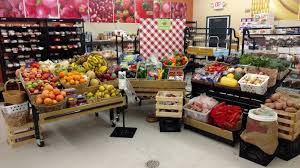
Food insecurity remains one of the most pressing humanitarian and social challenges in both developing and developed nations. While many people associate hunger with poverty-stricken regions or disaster zones, millions of families around the world struggle daily to access nutritious meals. One of the most important systems created to address this challenge is the food bank.
Food banks play a central role in reducing food waste, supporting vulnerable communities, and strengthening local support networks. They connect surplus food with people who need it most, ensuring that edible food does not end up in landfills while families go hungry.
This comprehensive guide explores what a food bank is, how it operates, the difference between food banks and food pantries, how they are funded, their global impact, and how individuals can get involved.
What Is a Food Bank?
A food bank is a nonprofit organization or charitable institution that collects, stores, and distributes food to hunger-relief agencies such as food pantries, soup kitchens, shelters, and community programs.
Unlike direct meal providers, most food banks do not distribute food directly to individuals. Instead, they function as large-scale warehouses or distribution hubs that manage donations from farms, manufacturers, retailers, and government programs.
Their primary mission is to:
- Reduce hunger and food insecurity
- Rescue surplus food that would otherwise be wasted
- Support charitable feeding programs
- Strengthen community resilience during crises
Food banks operate through partnerships. They receive food from donors, sort and store it safely, and then distribute it to local organizations that provide meals or groceries to people in need.
The History and Evolution of Food Banks
The modern food bank system began in the late 1960s as a response to increasing urban poverty and food waste.
The first recognized food bank was established in 1967 in Phoenix, Arizona. Community leaders realized that grocery stores and farms were discarding edible food while families struggled to eat. The solution was simple yet revolutionary — collect surplus food and redistribute it.
Over time, the model expanded globally.
Organizations such as Feeding America in the United States helped create nationwide networks connecting hundreds of food banks. Internationally, humanitarian agencies like the World Food Programme and global food rescue initiatives adapted similar logistics principles to address hunger during emergencies and long-term poverty situations.
Today, food banks operate across North America, Europe, Asia, Africa, and Latin America, serving millions of people annually.
Why Food Banks Exist: Understanding Food Insecurity
Food banks exist because access to food is unevenly distributed.
Food insecurity occurs when individuals or households lack reliable access to sufficient, safe, and nutritious food. Several factors contribute to this issue:
Economic Hardship
Unemployment, low wages, inflation, and rising housing costs can force families to choose between essentials like rent, utilities, and groceries.
Unexpected Emergencies
Medical bills, job loss, natural disasters, or family crises can suddenly disrupt a household’s financial stability.
Supply Chain Inefficiencies
Ironically, food waste and hunger often coexist. Farms may produce surplus crops, retailers discard unsold products, and manufacturers reject items due to cosmetic imperfections or packaging errors.
Food banks bridge this gap by redistributing surplus food efficiently.
Social Inequality
Marginalized populations, elderly individuals, refugees, and people with disabilities often face higher risks of hunger.
Food banks help ensure that support systems reach these vulnerable groups.
How Food Banks Work
Although each organization operates differently depending on location and resources, most food banks follow a similar process.
1. Food Sourcing and Donations
Food banks receive supplies from multiple sources:
- Grocery retailers
- Farmers and agricultural producers
- Food manufacturers
- Restaurants
- Government programs
- Community food drives
Many companies donate surplus inventory approaching expiration dates but still safe for consumption.
Government agencies such as the United States Department of Agriculture also provide commodities through hunger relief programs in certain countries.
2. Sorting and Quality Control
Once food arrives, trained staff and volunteers inspect it carefully.
They check:
- Expiration dates
- Packaging damage
- Contamination risks
- Storage requirements
Unsafe food is discarded responsibly.
3. Storage and Warehousing
Food banks operate warehouses equipped with:
- Refrigerators
- Freezers
- Dry storage areas
Proper storage ensures compliance with food safety regulations and maintains nutritional quality.
4. Distribution to Partner Agencies
Food banks distribute food to partner organizations such as:
- Food pantries
- Homeless shelters
- Religious charities
- Community kitchens
- Schools
These agencies then provide meals or groceries directly to individuals.
5. Data Tracking and Logistics
Modern food banks often rely on digital inventory systems to manage supply chains efficiently.
Tracking helps them:
- Prevent waste
- Forecast demand
- Respond to emergencies quickly
Food Bank vs Food Pantry: What’s the Difference?
Many people confuse food banks with food pantries, but they serve different roles.
Food Bank
- Operates as a warehouse or distribution hub
- Supplies food to charities and programs
- Handles bulk donations
Food Pantry
- Distributes food directly to individuals and families
- Often run by churches or community organizations
- Serves local neighborhoods
In simple terms:
Food banks supply food pantries.
Both are essential components of hunger relief systems.
Types of Food Distributed by Food Banks
Food banks aim to provide balanced nutrition rather than only shelf-stable items.
Common categories include:
Non-Perishable Foods
- Rice
- Pasta
- Canned vegetables
- Beans
- Cooking oil
- Cereals
These items are easy to store and transport.
Fresh Produce
Many food banks partner with farms to rescue surplus fruits and vegetables.
Fresh produce improves nutrition outcomes for recipients.
Frozen Foods
- Meat
- Poultry
- Seafood
- Prepared meals
Cold storage allows longer preservation.
Dairy Products
Milk, cheese, and yogurt are frequently distributed when refrigeration is available.
Baby and Specialty Items
Some food banks provide:
- Infant formula
- Diuretic-friendly foods
- Halal or culturally appropriate options
Who Uses Food Banks?
Food bank users come from diverse backgrounds.
Common groups include:
Working Families
Many recipients are employed but earn insufficient income to cover living expenses.
Seniors
Fixed retirement incomes often struggle to keep pace with rising food prices.
Students
University students and young adults facing tuition costs increasingly rely on food assistance.
People Experiencing Homelessness
Shelters depend heavily on food bank supplies.
Disaster Survivors
During floods, earthquakes, or conflicts, food banks provide rapid response aid.
Importantly, using a food bank is not limited to extreme poverty. Temporary hardship can affect anyone.
Funding and Support for Food Banks
Food banks rely on multiple funding sources to sustain operations.
Corporate Donations
Food companies donate surplus goods and financial contributions.
Government Programs
Some governments subsidize hunger relief initiatives through grants or commodity distribution.
Community Contributions
Local residents organize food drives and fundraising events.
Philanthropic Foundations
Charitable organizations often provide operational funding.
Many food banks also depend heavily on volunteer labor, which helps reduce operational costs.
The Role of Volunteers
Volunteers are the backbone of many food banks.
Common volunteer roles include:
- Sorting donations
- Packing food boxes
- Delivering supplies
- Administrative work
- Community outreach
Volunteering not only reduces costs but strengthens community bonds.
Students, retirees, families, and corporate teams frequently participate.
Food Banks and Food Waste Reduction
Food waste is a major global problem.
Large amounts of edible food are discarded annually due to:
- Cosmetic imperfections
- Overproduction
- Retail overstocking
Food banks rescue food before disposal.
Benefits include:
- Reduced landfill waste
- Lower greenhouse gas emissions
- Efficient resource use
This makes food banks environmentally important as well as socially beneficial.
Nutrition Programs and Health Initiatives
Modern food banks increasingly emphasize nutrition rather than simply calories.
Programs may include:
- Fresh produce prioritization
- Low-sodium options
- Diabetes-friendly foods
- Cooking education workshops
Nutritionists sometimes collaborate with food banks to improve dietary outcomes for recipients.
This shift recognizes that hunger relief must also address long-term health.
Technology and Innovation in Food Banking
Technology has transformed food banking operations.
Inventory Management Systems
Digital tracking helps manage millions of kilograms of food efficiently.
Mobile Apps
Some organizations use apps to:
- Schedule donations
- Coordinate volunteers
- Notify agencies about available food.
Data Analytics
Predictive analytics help anticipate demand spikes during economic downturns or disasters.
Technology improves speed, transparency, and accountability.
Food Banks During Emergencies and Crises
Food banks become critical during emergencies.
Examples include:
- Natural disasters
- Economic recessions
- Pandemics
- Armed conflicts
During the COVID-19 pandemic, food banks worldwide experienced record demand.
Organizations expanded:
- Drive-through distributions
- Home deliveries
- Emergency food boxes
Large-scale coordination between governments, nonprofits, and volunteers helped prevent widespread hunger.
Global Food Bank Networks
Food banking is now a global movement.
International networks allow countries to share best practices and resources.
One major example is Global FoodBanking Network, which supports food banks across dozens of countries by providing training, logistics support, and funding opportunities.
These partnerships improve efficiency and expand access to vulnerable communities.
Challenges Faced by Food Banks
Despite their success, food banks face several ongoing challenges.
Rising Demand
Inflation and economic instability increase the number of people needing assistance.
Supply Fluctuations
Donations vary depending on agricultural production and retail trends.
Storage Costs
Refrigeration and transportation require significant funding.
Volunteer Shortages
Many organizations depend on volunteers who may not always be available.
Nutritional Balance
Obtaining enough fresh, healthy foods can be difficult compared to processed donations.
Food banks continuously innovate to address these issues.
Criticism and Ethical Discussions
While widely respected, food banks are sometimes part of broader social debates.
Critics argue that charity alone cannot solve systemic poverty.
Concerns include:
- Reliance on surplus food rather than structural solutions
- Inconsistent access in rural areas
- Stigma experienced by recipients
Supporters counter that food banks provide essential immediate relief while policymakers work on long-term economic reforms.
Both perspectives highlight the complexity of hunger.
How Food Banks Impact Local Communities
Food banks strengthen communities beyond providing meals.
Economic Benefits
Families receiving assistance can redirect income toward rent, education, or healthcare.
Community Engagement
Volunteer programs encourage civic participation.
Support for Farmers and Businesses
Donations reduce disposal costs and improve corporate social responsibility.
Disaster Preparedness
Established networks allow rapid emergency response.
In many regions, food banks function as community anchors.
How to Access a Food Bank
Access procedures vary by location.
Typically, individuals can:
- Visit a local food pantry supplied by a food bank
- Register online through partner organizations
- Provide identification or proof of residence if required.
Many programs avoid strict eligibility rules to ensure help reaches those who need it quickly.
Community centers, religious institutions, and social services offices often provide referral information.
How You Can Support Food Banks
Anyone can contribute to hunger relief efforts.
Donate Food
Commonly requested items include:
- Rice
- Cooking oil
- Canned protein
- Baby supplies
Always check expiration dates.
Financial Contributions
Monetary donations allow food banks to purchase food in bulk at reduced prices.
Volunteer
Even a few hours of time can significantly help operations.
Organize Food Drives
Schools and workplaces frequently organize donation campaigns.
Advocate
Supporting policies that reduce hunger and food waste strengthens long-term solutions.
The Future of Food Banking
Food banks continue evolving.
Future trends include:
- Increased farm partnerships
- Digital coordination platforms
- Nutrition-focused programs
- Climate-conscious food rescue operations.
Many organizations aim not only to alleviate hunger but to eliminate it.
Innovation, policy change, and community support will determine how effectively societies address food insecurity in the coming decades.
Conclusion
Food banks represent one of the most practical and compassionate responses to hunger and food waste. By rescuing surplus food and redistributing it through community networks, they provide millions of people with reliable access to meals every year.
Their impact extends far beyond food distribution. Food banks strengthen communities, reduce environmental waste, support families during crises, and foster volunteerism and cooperation.
While they cannot solve poverty alone, they remain an essential pillar of modern social support systems.
As economic and environmental challenges continue to evolve, food banks will remain vital — ensuring that good food reaches people rather than landfills, and that compassion translates into meaningful action for communities worldwide.