
Dextrose is one of the most widely used ingredients in modern food production, yet many consumers encounter it on ingredient labels without fully understanding what it is or why it is included. Often associated with sweetness, energy, and food preservation, dextrose plays multiple functional roles across processed foods, beverages, baked goods, sports nutrition products, and even savory items.
Understanding dextrose requires looking beyond its simple classification as a sugar. It is closely connected to human metabolism, food science, manufacturing efficiency, and product quality. This comprehensive guide explores what dextrose is, how it is produced, why manufacturers use it, how it differs from other sugars, its health effects, and how consumers can make informed dietary choices regarding it.
Understanding Dextrose: The Basics
Dextrose is a simple sugar chemically identical to glucose, which is the primary sugar circulating in human blood. In food labeling, the term “dextrose” is typically used when glucose is derived from plant starches rather than directly occurring in fruits or honey.
Chemically speaking, dextrose belongs to a group of carbohydrates known as monosaccharides. These are the simplest forms of sugar because they cannot be broken down into smaller carbohydrate units during digestion. Once consumed, dextrose is rapidly absorbed into the bloodstream and used by the body as a quick source of energy.
Because of this rapid absorption, dextrose is often associated with energy drinks, recovery foods, and medical nutrition products designed to raise blood sugar quickly.
How Dextrose Is Made
Dextrose used in food manufacturing does not typically come directly from fruits. Instead, it is most commonly produced from starch-rich crops through industrial processing.
Primary Sources
The most common sources include:
- Corn (maize)
- Wheat
- Rice
- Potatoes
- Tapioca or cassava
Corn is the dominant source in many parts of the world because it is inexpensive and abundant.
Production Process
The production of dextrose involves several stages:
Starch Extraction
Manufacturers separate starch from plant material through milling and washing processes.Hydrolysis
The starch undergoes enzymatic or acid hydrolysis. During this stage, long carbohydrate chains are broken into glucose molecules.Purification
Impurities are removed using filtration and carbon treatment.Crystallization and Drying
The glucose solution is crystallized into powder or granules and dried for storage and transport.
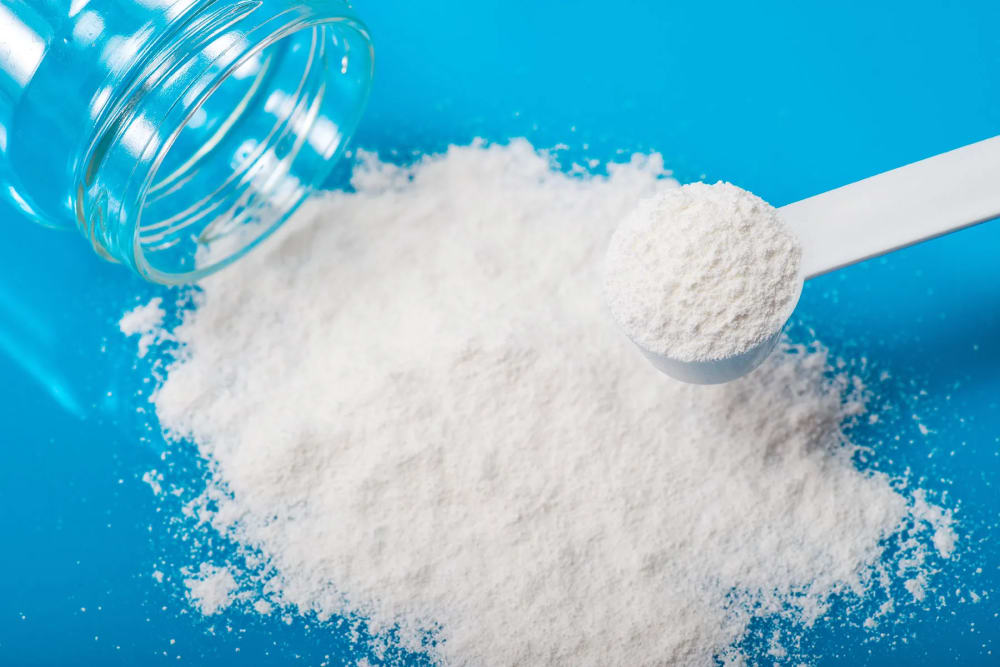
The result is a white, odorless crystalline powder that dissolves easily in liquids and integrates smoothly into food formulations.
Why Is Dextrose Used in Food?
Food manufacturers rely on dextrose not only as a sweetener but also as a multifunctional ingredient that improves texture, stability, shelf life, and fermentation performance.
1. Sweetening Agent
Dextrose provides sweetness, though it is less sweet than regular table sugar (sucrose). On average, it has about 70–75% of the sweetness of sucrose.
Because of this moderate sweetness, manufacturers can add bulk and mild sweetness without overpowering flavors.
Common products using dextrose for sweetness include:
- Soft drinks
- Flavored milk
- Candy
- Baked desserts
- Sauces
It helps balance flavor profiles rather than dominate them.
2. Quick Energy Source
Dextrose is rapidly absorbed by the body. This makes it ideal for:
- Sports drinks
- Energy gels
- Recovery supplements
- Medical nutrition formulas
Athletes often consume dextrose during intense activity because it replenishes glucose stores quickly.
3. Fermentation Support
Dextrose plays an essential role in fermentation-based foods.
Yeast and beneficial bacteria feed on simple sugars during fermentation processes. Because dextrose is already broken down into glucose molecules, microorganisms can use it immediately.
Examples include:
- Bread
- Beer
- Yogurt
- Pickles
In breadmaking, small amounts of dextrose help yeast activate faster, improving rise and texture.
4. Texture and Mouthfeel Improvement
Food scientists frequently add dextrose to modify texture.
It can:
- Prevent crystallization in candies.
- Improve softness in baked goods.
- Enhance creaminess in frozen desserts.
Unlike stronger sweeteners, it contributes bulk without excessive sweetness.
5. Browning and Color Development
Dextrose participates actively in the Maillard reaction — the chemical process responsible for browning when foods are cooked.
This reaction produces:
- Golden crusts on bread.
- Roasted flavors in meats.
- Attractive coloring in baked snacks.
Manufacturers sometimes add small amounts specifically to improve appearance during baking or roasting.
6. Preservation and Shelf Life
Dextrose also contributes indirectly to preservation.
It helps control moisture activity in foods, limiting microbial growth under certain conditions.
You may find it in:
- Processed meats
- Sauced products
- Frozen foods
By stabilizing moisture levels, it supports longer shelf stability.
Common Foods That Contain Dextrose
Consumers often encounter dextrose across a surprisingly wide variety of foods.
Processed and Packaged Foods
Examples include:
- Breakfast cereals
- Snack foods
- Crackers
- Instant noodles
- Frozen meals
Even savory foods may include small amounts to balance acidity or enhance flavor.
Baked Goods
Dextrose improves browning and yeast activity in:
- Bread
- Cakes
- Cookies
- Doughnuts
It helps achieve consistent texture during large-scale production.
Confectionery Products
Candy makers use dextrose extensively because it dissolves easily and prevents unwanted crystallization.
Examples include:
- Gummies
- Hard candies
- Chocolate coatings
- Powdered drink mixes
Beverages
You may find dextrose in:
- Sports drinks
- Powdered juices
- Energy beverages
- Ready-to-drink teas
Its rapid solubility makes it ideal for liquid formulations.
Processed Meats
Dextrose appears frequently in:
- Sausages
- Bacon
- Cured meats
In these foods, it supports fermentation and flavor balance rather than sweetness.
Dextrose vs Other Sugars
Understanding how dextrose compares to other sugars helps clarify its purpose.
Dextrose vs Sucrose (Table Sugar)
Sucrose consists of two sugar molecules joined together — glucose and fructose.
Differences include:
- Dextrose absorbs faster.
- Sucrose tastes sweeter.
- Dextrose causes quicker blood sugar spikes.
Because sucrose must first be broken apart during digestion, dextrose acts faster metabolically.
Dextrose vs Fructose
Fructose is naturally abundant in fruits and honey.
Key differences:
- Fructose tastes much sweeter.
- Dextrose raises blood sugar more rapidly.
- Fructose metabolizes mainly in the liver.
Food manufacturers may combine sugars to achieve balanced sweetness and texture.
Dextrose vs High-Fructose Corn Syrup
Although both often originate from corn starch, they are not the same.
High-fructose corn syrup contains a mixture of glucose and fructose in liquid form.
Dextrose:
- Is pure glucose.
- Often appears as powder or crystals.
- Has less sweetness.
Each serves different manufacturing purposes.
Nutritional Value of Dextrose
From a nutritional perspective, dextrose provides calories but few additional nutrients.
Calories
Like most carbohydrates:
- 1 gram of dextrose provides about 4 calories.
It delivers fast energy rather than sustained nutrition.
Glycemic Index
Dextrose has a very high glycemic index.
This means it raises blood glucose levels quickly after consumption.
For some situations, such as treating low blood sugar, this rapid effect is beneficial.
However, frequent consumption may contribute to unstable blood sugar levels in certain individuals.
Vitamins and Minerals
Dextrose does not naturally contain:
- Fiber
- Vitamins
- Minerals
It is considered an energy ingredient rather than a nutrient-dense food.
Health Effects of Dextrose
Dextrose has both benefits and concerns depending on quantity, dietary context, and individual health status.
Benefits
Rapid Energy Supply
Because it absorbs quickly, dextrose is useful for:
- Athletes during endurance activity.
- Recovery after intense exercise.
- Treating hypoglycemia.
Medical professionals sometimes use glucose tablets containing dextrose for diabetic emergencies.
Easy Digestion
Since it requires minimal breakdown, it can be easier to digest compared with complex carbohydrates.
This makes it useful in:
- Hospital nutrition formulas.
- Infant products.
- Specialized medical diets.
Potential Concerns
Blood Sugar Spikes
Regular consumption may cause rapid increases in blood glucose.
This may be problematic for:
- People with diabetes.
- Individuals with insulin resistance.
Managing portion size becomes important.
Added Sugar Intake
Dextrose counts toward total added sugar intake when used as a sweetener.
Excessive intake of added sugars may contribute to:
- Weight gain.
- Tooth decay.
- Metabolic disorders.
Consumers should consider total dietary patterns rather than focusing on a single ingredient.
Hidden Presence
Many consumers do not realize how often dextrose appears in savory foods.
Because it is not always used for sweetness, people may unknowingly consume more sugar than expected.
Is Dextrose Natural or Artificial?
A common question is whether dextrose is natural.
The answer depends on perspective.
Glucose itself occurs naturally in fruits, vegetables, and honey.
However, commercial food-grade dextrose undergoes industrial processing to convert starch into glucose powder.
Although chemically identical to naturally occurring glucose, it is considered a processed ingredient.
Food labeling regulations often classify it as a carbohydrate sweetener rather than an artificial additive.
Dextrose in Special Diets
For Athletes
Sports nutrition often favors dextrose because of rapid carbohydrate delivery.
It helps:
- Replenish glycogen stores.
- Maintain endurance performance.
Many endurance athletes intentionally consume it during long workouts.
For People With Diabetes
Dextrose requires careful monitoring.
Because it raises blood sugar rapidly, individuals with diabetes typically:
- Limit regular intake.
- Use it strategically for low blood sugar treatment.
Medical guidance is essential.
For Low-Carbohydrate Diets
Dextrose is not suitable for strict low-carb or ketogenic diets.
Even small amounts contribute carbohydrates quickly.
Hidden sources in processed foods can disrupt carbohydrate limits.
How to Identify Dextrose on Food Labels
Manufacturers must list ingredients clearly.
Dextrose may appear under several names, including:
- Dextrose monohydrate
- Corn sugar
- Gluco-dextrose
Ingredient lists appear in descending order by weight.
If dextrose appears near the beginning, the product likely contains a significant amount.
Nutrition labels also include total sugars and added sugars, which help consumers monitor intake.
Is Dextrose Safe?
Food safety authorities worldwide generally consider dextrose safe for consumption when used appropriately.
It has a long history of use in both food and medical applications.
For most healthy individuals:
- Moderate consumption poses little risk.
- Problems arise mainly from excessive added sugar intake overall.
Balance and dietary variety remain key factors.
Environmental and Manufacturing Considerations
Because most dextrose originates from large-scale agriculture, sustainability discussions sometimes arise.
Concerns include:
- Intensive corn farming practices.
- Energy use during processing.
- Transportation emissions.
Some manufacturers increasingly explore alternative starch sources or improved efficiency methods.
Consumers interested in sustainability may prefer minimally processed foods or products using diverse crop sources.
Common Misconceptions About Dextrose
“Dextrose Is a Chemical Additive”
While the name sounds technical, it is simply another form of glucose.
All sugars have chemical names.
“Dextrose Is Always Bad”
Context matters.
Small amounts serve functional purposes and may even provide benefits during exercise or medical treatment.
Problems arise primarily from overconsumption.
“Only Sweet Foods Contain Dextrose”
Many savory products contain it for fermentation or browning purposes.
Reading labels carefully helps avoid surprises.
Should You Avoid Dextrose?
Whether to avoid dextrose depends on individual goals.
You may want to limit intake if:
- You manage blood sugar conditions.
- You follow low-carb diets.
- You aim to reduce processed food consumption.
However, occasional consumption within a balanced diet is generally acceptable for most people.
Choosing whole foods, cooking at home more often, and monitoring ingredient lists can naturally reduce added sugar intake.
The Future of Dextrose in Food Manufacturing
Food science continues evolving alongside consumer expectations.
Emerging trends include:
- Reduced sugar formulations.
- Alternative sweeteners.
- Functional nutrition products.
Even as manufacturers experiment with sugar alternatives, dextrose remains valuable because of its predictable behavior during fermentation, baking, and preservation.
Its role may shift rather than disappear entirely.
Conclusion
Dextrose is far more than just another sweetener listed on ingredient labels. Chemically identical to glucose, it serves as a rapid energy source and a versatile tool in food production. From improving texture and browning to supporting fermentation and shelf stability, it performs functions that extend well beyond sweetness.
While it offers benefits in sports nutrition and medical settings, its high glycemic impact means moderation is important, especially for individuals monitoring blood sugar or limiting added sugars.
Understanding how and why dextrose appears in foods empowers consumers to make informed dietary choices. By reading ingredient labels, balancing processed and whole foods, and considering personal nutritional needs, people can approach dextrose with clarity rather than confusion.
In the modern food system, dextrose represents a blend of chemistry, nutrition, and manufacturing practicality — a simple sugar with surprisingly complex roles.