
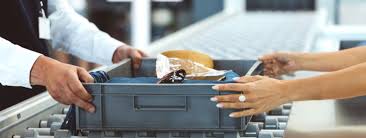
Travel days often come with tight schedules, long lines, and limited dining options. Whether you’re packing snacks for a short domestic flight or carrying homemade treats for loved ones abroad, one common question arises: Can you bring food through airport security?
The short answer is yes — but with important rules and exceptions.
In this comprehensive guide, you’ll learn exactly what foods are allowed, what restrictions apply, how liquids are treated differently, and smart tips to avoid delays at security checkpoints. By the end, you’ll know how to pack food confidently and travel stress-free.
Understanding Airport Security Food Rules
Airport security agencies focus primarily on safety, not on banning food outright. In most countries, solid food items are permitted through security screening. However, items that resemble liquids, gels, or aerosols fall under stricter regulations.
In the United States, the Transportation Security Administration (TSA) oversees these rules. Other countries have similar agencies with comparable guidelines, though small differences may exist.
The Basic Rule
- Solid foods: Generally allowed
- Liquids and gels: Restricted by the liquid rule
- International arrivals: May face customs restrictions
Understanding which category your food falls into is the key to smooth travel.
Solid Foods: Usually Allowed Through Security
Good news for snack lovers — most solid foods can pass through airport security without problems.
Common Solid Foods You Can Bring
You can typically bring:
- Sandwiches
- Bread and pastries
- Cookies and brownies
- Chips and crackers
- Fresh fruits and vegetables
- Nuts and trail mix
- Candy and chocolate
- Cooked meat (solid form)
- Pizza slices
- Hard cheese
These items usually pass through screening just like any other personal item.
How Security Screens Solid Food
Your food will go through the X-ray scanner. Occasionally, officers may:
- Ask to inspect the item
- Swab it for testing
- Request you remove it from your bag
This is normal and doesn’t mean your food is prohibited.
Liquids, Gels, and Spreadable Foods: The 3-1-1 Rule
This is where many travelers get confused.
Foods that are liquid, creamy, or spreadable must follow the carry-on liquid rules.
What Counts as a Liquid or Gel Food?
Security agencies consider these items liquids or gels:
- Yogurt
- Peanut butter
- Jam or jelly
- Honey
- Sauces and gravies
- Soups and stews
- Salad dressing
- Cream cheese
- Hummus
- Salsa
- Ice cream (if melted)
If it can be poured, spread, or squeezed, it likely falls under liquid restrictions.
The 3-1-1 Carry-On Liquid Rule
For carry-on bags:
- Containers must be 3.4 ounces (100 ml) or less
- All containers must fit in one quart-size clear bag
- Each passenger gets one bag
If your food exceeds this size, it will likely be confiscated at security.
Bringing Food in Checked Luggage
If you want to avoid liquid restrictions, placing food in checked baggage is often easier.
Benefits of Packing Food in Checked Bags
- Larger quantities allowed
- No 3-1-1 liquid limits
- Less chance of confiscation
- Easier transport for gifts
However, you still need to consider spoilage, leakage, and customs rules.
Smart Packing Tips for Checked Food
- Use airtight containers
- Double-bag liquids
- Wrap fragile items in clothing
- Label homemade foods if possible
- Freeze items when appropriate
Proper packing prevents messy surprises when you arrive.
Can You Bring Homemade Food Through Security?
Yes — homemade food is generally allowed.
Security officers do not usually care whether food is store-bought or homemade. What matters is the physical form of the food.
Homemade Foods That Usually Pass Easily
- Baked goods
- Homemade sandwiches
- Cooked rice dishes
- Roasted meats
- Dry snacks
Homemade Foods That May Cause Issues
- Soupy dishes
- Heavy sauces
- Creamy desserts
- Large containers of dips
When in doubt, keep homemade foods solid and well packaged.
Special Rules for International Flights
Things become more complicated when traveling internationally.
Even if airport security allows your food through screening, customs officials at your destination may confiscate it.
Commonly Restricted International Food Items
Many countries restrict:
- Fresh fruits and vegetables
- Meat products
- Dairy items
- Seeds and plants
- Homemade foods
These rules exist to prevent pests and diseases from entering the country.
Important Tip
Always check the customs regulations of your destination country before packing food for international travel.
Security and customs are separate processes — passing one does not guarantee passing the other.
Baby Food, Breast Milk, and Medical Foods
There are important exceptions for essential nutrition items.
Items That Get Special Treatment
Most airport security agencies allow reasonable quantities of:
- Baby formula
- Breast milk
- Toddler drinks
- Baby food pouches
- Medically necessary liquids
These items do not have to follow the standard 3-1-1 rule, but they will undergo additional screening.
What to Expect at Security
Officers may:
- Inspect the container
- Test the liquid
- Ask you to open the package
Allow extra time at the airport if traveling with these items.
Frozen Food and Ice Packs
Travelers often try to bring frozen meals or perishable items.
Are Frozen Foods Allowed?
Yes — with conditions.
- Completely frozen items: Usually allowed
- Partially melted items: May be treated as liquids
- Ice packs: Allowed only if fully frozen solid
If ice or gel packs are slushy or melted, they may be confiscated.
Best Practice
Freeze items solid and keep them in an insulated cooler to improve your chances of passing screening smoothly.
Food Purchased After Security
One of the easiest ways to travel with food is to buy it after you pass through security.
Why This Works
Once you are inside the secure area:
- Liquid limits no longer apply
- Airport-purchased drinks are allowed onboard
- Food from terminal restaurants is permitted
This is why many travelers buy bottled drinks or meals at the gate.
Exception for International Connections
If you have a connecting international flight, additional screening may occur, and liquids could be restricted again depending on the airport.
Cultural and Regional Foods: What to Watch For
Certain traditional or specialty foods can trigger extra screening.
Foods That Often Get Extra Attention
- Strong-smelling foods
- Dense baked goods
- Large cheese blocks
- Vacuum-sealed meats
- Powdery foods (like protein powder or spices)
These items are usually allowed but may require manual inspection.
Powder Restrictions
Some countries limit powders in carry-on bags, especially on international flights. Large amounts may need to go in checked luggage.
Tips to Get Through Security Faster With Food
Packing food smartly can save you time and stress.
Before You Pack
- Favor solid foods
- Avoid large liquids
- Freeze perishable items
- Check international rules
At the Airport
- Place food in an easy-to-remove bag
- Declare unusual items if asked
- Allow extra time for screening
- Be polite and cooperative
Packing Strategy
A helpful trick is to keep food in a separate clear bag so officers can inspect it quickly without digging through your belongings.
Common Mistakes Travelers Make
Avoid these frequent errors.
Mistake 1: Forgetting the Liquid Rule
Many travelers assume all food is allowed. Spreadable foods often get confiscated.
Mistake 2: Packing Messy Containers
Leaking food can damage your luggage and trigger inspections.
Mistake 3: Ignoring International Customs
Security approval does not guarantee entry into another country.
Mistake 4: Bringing Meltable Items
Soft chocolate, ice cream, or gel packs can become liquids during travel.
Mistake 5: Overpacking Perishables
Long delays and warm cabins can spoil food.
Frequently Asked Questions
Can you bring snacks on a plane?
Yes. Solid snacks are almost always allowed through security and onto the plane.
Can you bring fast food through airport security?
Yes. Burgers, fries, pizza, and similar solid foods are permitted.
Can you bring fruit through airport security?
Yes for domestic travel. For international flights, the destination country may prohibit fresh produce.
Can you bring drinks through security?
Only in containers of 3.4 oz (100 ml) or less — unless purchased after security or qualifying as baby/medical liquids.
Can you eat your own food on the plane?
Absolutely. Airlines generally allow passengers to eat personal food onboard (though hot or strong-smelling foods are discouraged out of courtesy).
Best Foods to Bring When Flying
If you want the smoothest experience, choose travel-friendly options.
Top Easy-to-Pack Foods
- Granola bars
- Sandwiches
- Crackers
- Nuts
- Fresh whole fruit
- Dry cereal
- Muffins
- Hard cheese cubes
- Pretzels
These items rarely cause issues and travel well.
Foods to Avoid in Carry-On
- Large yogurt containers
- Soups
- Saucy dishes
- Large peanut butter jars
- Open beverages
- Melt-prone desserts
When possible, move these to checked baggage.
Final Thoughts
So, can you bring food through airport security? In most cases, yes — especially if the food is solid.
The key points to remember are:
- Solid foods are usually allowed
- Liquids and spreadables must follow size limits
- Checked bags offer more flexibility
- International travel adds customs rules
- Baby and medical foods get exceptions
With a little planning, you can easily bring your favorite snacks, homemade meals, or special treats on your next trip.
When in doubt, keep it solid, pack it neatly, and check your destination’s rules ahead of time. Safe travels and happy snacking!