
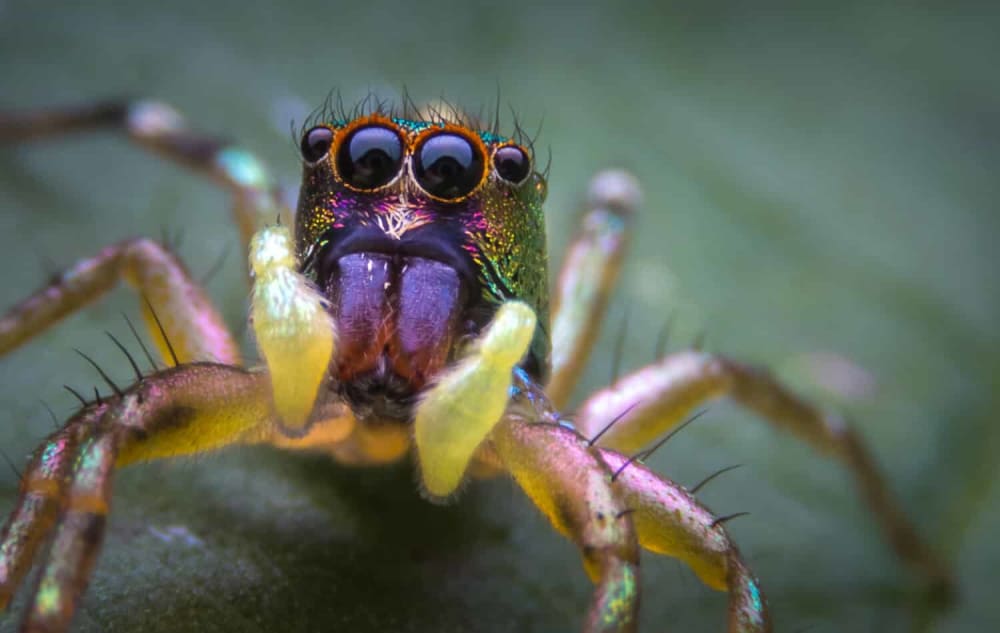
Spiders are among the most fascinating and resilient creatures in the animal kingdom. Found in nearly every environment on Earth, these eight-legged arachnids have evolved impressive survival strategies that allow them to endure harsh conditions, scarce food supplies, and unpredictable habitats. One question that often surprises people is how long spiders can survive without eating.
Unlike many animals that require regular meals, spiders can endure surprisingly long periods without food. Their slow metabolism, energy-efficient bodies, and adaptive behaviors allow them to survive in environments where prey may be scarce for weeks or even months.
Understanding how long spiders can live without food requires exploring several factors, including spider species, metabolism, environmental conditions, and life stage. In this comprehensive guide, we’ll examine the science behind spider survival, how long different spiders can go without eating, and the unique biological traits that make this possible.
Understanding Spider Metabolism
To understand how spiders survive without food, it's important to first understand their metabolism.
Metabolism refers to how an organism converts food into energy. Animals with high metabolic rates—such as birds or small mammals—need to eat frequently because they burn energy quickly. Spiders, however, have a much slower metabolism compared to many other animals.
This slow metabolic rate allows spiders to conserve energy when food is scarce. They can remain still for long periods, reducing energy consumption and allowing stored nutrients to last much longer.
Several biological features contribute to this efficiency:
- Low energy requirements: Spiders do not need large amounts of energy to survive.
- Ability to remain inactive: Many spiders wait motionless for prey instead of actively hunting.
- Efficient digestion: Spiders extract a significant amount of nutrients from their prey.
- Energy storage: Fat reserves in their bodies help sustain them during lean periods.
Because of these traits, spiders can survive much longer without food than many people expect.
Average Time Spiders Can Survive Without Food
On average, most spiders can survive between 30 days and 60 days without food. However, the exact duration varies depending on several factors, including the species of spider and the environmental conditions.
Some spiders have been observed surviving even longer under ideal conditions. In certain cases, spiders can live several months without eating, particularly if they have access to water and remain in a cool environment.
Typical survival ranges include:
- Small house spiders: 1–2 months
- Medium-sized spiders: 2–3 months
- Large spiders such as tarantulas: Up to 6 months or longer
These survival periods may sound surprising, but they highlight how well spiders have adapted to environments where food availability is unpredictable.
Species Differences in Starvation Tolerance
Not all spiders are equal when it comes to surviving without food. Different species have evolved different strategies and biological traits that influence how long they can go without eating.
House Spiders
Common household spiders often survive for several weeks without food. These spiders rely on catching insects that wander into their webs. If food becomes scarce, they may simply remain in their web and conserve energy.
Since house spiders typically live indoors where temperatures are stable, they may survive longer than spiders exposed to harsh outdoor environments.
Jumping Spiders
Jumping spiders are active hunters that rely on excellent vision and quick movements to capture prey. Because they move frequently and use more energy than web-building spiders, they usually cannot survive as long without food.
Most jumping spiders can survive several weeks without prey, though some may last longer if they reduce their activity levels.
Orb-Weaver Spiders
Orb-weaver spiders construct large, intricate webs designed to trap flying insects. Because they often wait patiently for prey rather than actively hunting, they can conserve energy more effectively.
These spiders may survive one to two months without food, depending on environmental conditions.
Tarantulas
Tarantulas are famous for their incredible ability to survive long periods without eating. Some pet tarantulas have been known to refuse food for six months to a year, especially during molting periods.
Their slow metabolism and ability to store energy make them among the most resilient spiders when it comes to starvation.
The Role of Water in Spider Survival
While spiders can survive a long time without food, water is much more critical to their survival.
Most spiders cannot survive more than a few days to a few weeks without access to moisture. Water plays an essential role in many biological processes, including digestion, circulation, and temperature regulation.
Spiders obtain water in several ways:
- Drinking droplets from surfaces
- Consuming fluids from prey
- Absorbing moisture from humid air
- Drinking dew or rainwater outdoors
In dry conditions without water, spiders may die much sooner than if they simply lacked food.
Environmental Factors That Affect Survival
Environmental conditions play a major role in determining how long spiders can survive without eating. Several factors influence their survival rate.
Temperature
Temperature significantly affects spider metabolism. In warmer environments, spiders burn energy more quickly and therefore require food more often.
In cooler environments, their metabolism slows down, allowing them to survive longer without food.
Humidity
Humidity helps prevent dehydration. Spiders living in humid environments may survive longer without food because they can maintain proper hydration.
Dry environments can shorten survival time significantly.
Availability of Shelter
Spiders that have safe hiding places can conserve energy by remaining inactive. Sheltered spiders are less likely to move around searching for food, which helps them preserve energy reserves.
How Spiders Adapt to Food Shortages
Spiders have developed several survival strategies that help them cope with food scarcity.
Reduced Activity
One of the most effective strategies is simply reducing movement. By staying still, spiders conserve energy and stretch their internal reserves for longer periods.
Many spiders spend most of their time waiting for prey rather than actively hunting.
Recycling Web Silk
Some spiders eat their own webs when food is scarce. Web silk contains proteins that can be recycled to build new webs later.
By consuming their webs, spiders recover valuable nutrients and avoid wasting energy on producing new silk.
Molting Delays
Young spiders must molt in order to grow. However, molting requires a great deal of energy. When food is scarce, spiders may delay molting until they have sufficient nutrition.
This allows them to conserve energy and survive longer.
Cannibalism
In extreme situations, some spider species resort to cannibalism. Larger spiders may eat smaller spiders if prey is unavailable.
While not common in normal conditions, this behavior demonstrates how spiders can adapt to severe food shortages.
Life Stage and Survival Without Food
A spider’s age and developmental stage also influence how long it can survive without eating.
Spiderlings
Newly hatched spiders, called spiderlings, are much smaller and have fewer energy reserves than adults. As a result, they cannot survive as long without food.
Most spiderlings must begin feeding relatively quickly after hatching.
Juvenile Spiders
Juvenile spiders are still growing and molting frequently. Because growth requires energy, they typically need food more often than adults.
Adult Spiders
Adult spiders have fully developed bodies and larger fat reserves. This allows them to survive longer periods without food compared to younger spiders.
Some adult spiders can endure months of starvation if necessary.
Seasonal Effects on Spider Feeding
Seasonal changes can significantly impact spider feeding patterns and survival.
During warmer months, insect populations increase, providing abundant food for spiders. As temperatures drop, insect activity decreases, and spiders may struggle to find prey.
Many spiders prepare for these seasonal changes by building fat reserves during times of plenty. Others enter periods of reduced activity similar to dormancy.
This seasonal adaptation helps them survive during colder months when food is scarce.
How Long Pet Spiders Can Go Without Food
Pet owners often wonder how long their spiders can safely go without being fed.
Many pet spiders, especially tarantulas, can safely go several weeks without food. However, responsible care still requires regular feeding and monitoring.
Typical feeding guidelines include:
- Small spiders: once or twice per week
- Medium spiders: every 1–2 weeks
- Large tarantulas: every 2–4 weeks
If a pet spider refuses food, it may be preparing to molt. During this time, it is normal for spiders to avoid eating.
Pet owners should ensure their spiders always have access to fresh water and a suitable environment.
Signs of Starvation in Spiders
Although spiders can survive long periods without food, prolonged starvation eventually causes visible changes.
Common signs include:
- Shrinking abdomen: The abdomen becomes noticeably smaller as energy reserves are depleted.
- Reduced activity: The spider may become weak or less responsive.
- Difficulty moving: Starved spiders may struggle to walk or climb.
- Curled legs: In severe cases, the spider may curl its legs under its body.
If these signs appear in a pet spider, feeding and hydration should be addressed immediately.
Myths About Spider Survival
There are many myths about spiders and their ability to survive without food.
Myth: Spiders Can Live Forever Without Eating
While spiders are resilient, they cannot survive indefinitely without food. Eventually their energy reserves will run out.
Myth: All Spiders Survive Months Without Food
Some species can survive months, but many smaller spiders cannot last that long.
Myth: Spiders Only Need Food Occasionally
Even though spiders can endure starvation for long periods, they still require regular nourishment for healthy growth and reproduction.
Why Spider Survival Skills Matter
Spiders play an important role in ecosystems around the world. Their ability to survive without food helps them persist in environments where prey populations fluctuate.
As natural pest controllers, spiders help regulate insect populations in homes, farms, and forests. Their resilience ensures they remain an essential part of ecological balance.
Understanding how spiders survive also provides insight into broader biological concepts such as metabolism, adaptation, and environmental resilience.
Final Thoughts
Spiders are remarkably resilient creatures capable of surviving extended periods without food. On average, most spiders can live one to two months without eating, while larger species like tarantulas may survive six months or longer under the right conditions.
Their survival depends on a combination of factors, including species type, environmental conditions, hydration, and life stage. Slow metabolism, energy conservation strategies, and efficient nutrient use all contribute to their impressive endurance.
While spiders can survive long stretches without food, they still require water and suitable environmental conditions to stay alive. In the wild, their ability to endure food shortages allows them to thrive in diverse habitats around the world.
By understanding the remarkable biology of spiders, we gain a deeper appreciation for these often misunderstood creatures and the important roles they play in maintaining healthy ecosystems.